Foshan Sourcing & Project Procurement Guide
How to Source Complete Bathroom Packages in Foshan, China
A factory-direct sourcing guide for hotels, residential developments, construction projects and wholesale buyers.
Quick Sourcing Takeaways
- Separate showroom markets from production sites: Chancheng exhibition malls help buyers benchmark styles and collect options quickly, whereas manufacturing audits and OEM/ODM coordination take place at industrial campuses in districts such as Sanshui and Gaoming.
- Match the sourcing model to your project scope: Multi-vendor sourcing gives maximum freedom for bespoke single items, while working with an integrated manufacturer streamlines schedules, finish matching, and shipping for standardized hotel, residential, and commercial builds.
- Lock site interfaces before quoting: Confirm toilet rough-ins (300/400 mm S-trap vs. H180 mm P-trap), supply thread types, electrical voltages, destination certifications, and project-based MOQ before comparing unit prices.
01. Why Source Bathroom Products from Foshan?
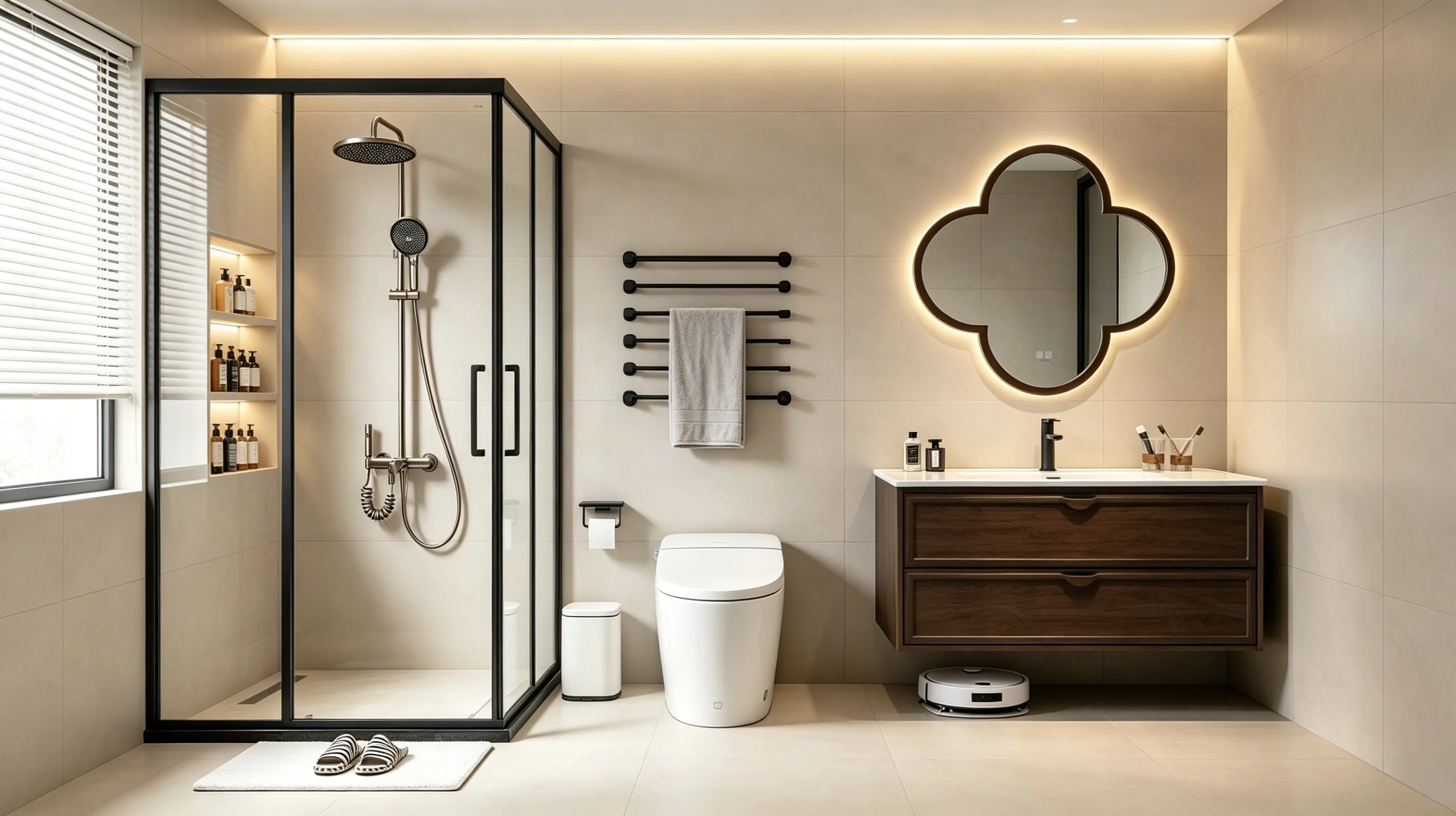
For importers, developers, and hotel procurement teams seeking complete bathroom packages from China, Foshan in Guangdong Province sits at the center of one of the world’s densest ceramic and building-materials clusters. Rather than shipping ceramics from one province, vanities from a second, and brass fittings from a third across long inland routes, buyers working in Foshan find all major bathroom categories within one regional supply network.
- Multi-category supply depth: Vitreous china toilets and basins, moisture-resistant vanity cabinets, LED mirrors, brass mixers, acrylic bathtubs, and tempered glass shower enclosures are all manufactured and showcased within the same metropolitan area.
- Component and tooling proximity: Ceramic glazes, flush mechanisms, stainless hardware, sintered-stone slabs, and export crating suppliers operate nearby, simplifying sample adjustments and finish coordination.
- Direct Pearl River Delta port access: Finished containers move efficiently through Foshan river terminals, Guangzhou Nansha, or Shenzhen ports for global export consolidation.
02. Where to Source Bathroom Products in Foshan
Effective Foshan bathroom sourcing requires distinguishing retail/trade exhibition centers from outer manufacturing plants. Knowing where to benchmark styles versus where to qualify production saves considerable travel time on a buying trip.
- Chancheng Exhibition Malls (China Ceramics City, Casa Ceramics & Sanitarywares Mall / Yimeijia, Meiju International, Nanzhuang CITC): Multi-story trade centers ideal for comparing designs, inspecting glaze smoothness, and collecting catalogs. Many showrooms represent brand offices or trading companies, while some are factory-owned display rooms—always verify where actual production sits if placing bulk project orders.
- Sanshui & Gaoming Manufacturing Campuses: Tunnel kilns, cabinet joinery lines, testing labs, and container loading docks are located in outer industrial zones rather than urban malls. MICAWA operates its 200,000 m² manufacturing base in Sanshui District, Foshan, paired with an on-site showroom for combined product and line reviews.
- Choosing the Right Sourcing Locations (Lecong & Nearby Clusters): Visitors often ask about Lecong, which is primarily a residential and commercial furniture market (sofas, beds, dining furniture) rather than a core hub for sanitary ware and plumbing fittings. Meanwhile, specialized Guangdong towns such as Chaozhou (ceramics) and Kaiping/Heshan (faucets) supply components into regional trade; confirming exact factory origins keeps quality plans transparent.
03. Factory-Direct vs. Multi-Supplier Sourcing
No single sourcing route fits every buyer. Multi-supplier sourcing works well when a project requires bespoke architectural pieces from specialized workshops or strict brand-specific specifications. Working directly with a one-stop bathroom supplier tends to suit repeatable project schedules and container-scale replenishment. Many buyers also adopt a hybrid approach—sourcing core bathroom suites from one manufacturer while adding one or two specialty items externally (see our detailed package vs. individual sourcing comparison).
| Comparison Factor | Multi-Supplier Sourcing | One-Stop Factory-Direct Sourcing | Hybrid Sourcing (Core Factory + Specialist) |
|---|---|---|---|
| Product Selection | Wider variety across multiple brands, specialty materials, and niche designer styles. | Centered on the manufacturer’s existing product system and approved OEM/ODM modifications. | Core room items drawn from one catalog; unique accent items sourced separately. |
| Pricing & Landed Cost | Allows line-by-line unit price comparison across specialized factories. | Can lower administrative coordination, domestic trucking, and repacking costs. | Balances competitive core suite pricing with targeted spending on signature fixtures. |
| Lead Time Coordination | Buyer or sourcing agent manages separate production timelines and warehouse cutoffs. | Easier to plan unified production schedules toward a target shipment date. | Requires early scheduling for the external specialist so the main container is not held. |
| Color & Finish Matching | Requires collecting and matching physical samples manually across separate vendors. | Easier to manage reference color plaques and visual checks from one review desk. | Core finishes reviewed centrally; external vendor receives mailed master swatches. |
| Specification Compatibility | Buyer’s engineering team verifies basin cutouts, faucet clearances, and rough-ins across brands. | Supports centralized technical review of drawings and component pairings before production. | Core combinations aligned together; external fixture interfaces verified on shop drawings. |
| After-Sales Handling | Claims, spare parts, and technical questions are resolved individually with each supplier. | Handled through a single supplier contact under the agreed order contract and warranty terms. | One main factory contact covers the core package alongside a separate specialist agreement. |
| Best-Suited Buyers | Bespoke residential designs, multi-brand retail buyers, or small custom assortments. | Standardized hotel builds, multi-unit residential developments, construction BOQs, and distributors. | Hospitality or commercial projects needing bulk standardization plus one signature feature item. |
Evaluating Factory-Direct Supply for Your Project?
Review how MICAWA organizes multi-category schedules, sample sign-offs, and container planning.
04. What Can a Complete Bathroom Package Include?
When buyers evaluate Foshan bathroom manufacturers for turnkey packages, the practical question is which product categories sit inside the company’s active manufacturing scope. At MICAWA’s Sanshui campus, operations cover six core product groups. Category capacities reported below reflect standalone production metrics on distinct unit bases (pieces vs. sets) and should not be added into a combined total or treated as uncommitted inventory:
| Category | Product Lines Covered | Documented Category Capacity | Coordination Considerations |
|---|---|---|---|
| 1. Sanitary Ceramics | One-piece, two-piece & wall-hung toilets, smart toilets, urinals, and ceramic washbasins. | 600,000 pcs / year Two 123 m tunnel kilns (1,280°C / 18h) | Confirms S-trap vs. P-trap rough-ins, glaze white-tone alignment, and smart-toilet electrical ratings per destination. |
| 2. Bathroom Cabinets & Vanities | Wall-hung and floor-standing bathroom cabinets, double-basin consoles, and storage units. | 30,000 sets / year Panel cutting, coating & assembly workshops | Aligns countertop sizes, basin cutouts, drawer plumbing clearances, and board moisture specifications. |
| 3. Smart Mirrors & Mirror Cabinets | LED-illuminated mirrors, anti-fog mirrors, and storage mirror cabinets (mirror cabinet guide). | Coordinated with cabinet & vanity production | Matches width to base cabinet proportions and confirms 110-120V vs. 220-240V lighting drivers. |
| 4. Faucets & Shower Systems | Basin & tub faucets plus exposed and concealed shower systems. | 500,000 sets / year CNC machining, polishing & plating | Matches spout height and reach to paired basins, selects finishes (chrome, gunmetal, black), and checks thread standards. |
| 5. Acrylic Bathtubs | Freestanding, skirted alcove, and whirlpool massage bathtubs. | 10,000 sets / year | Verifies soaking footprint, doorway entry clearances, drain positioning, and protective wooden framing. |
| 6. Shower Enclosures | Sliding, diamond corner, and T-shaped tempered glass shower screens. | 25,000 sets / year | Confirms finished opening dimensions, wall-channel tolerances, glass thickness/films, and profile finish samples. |
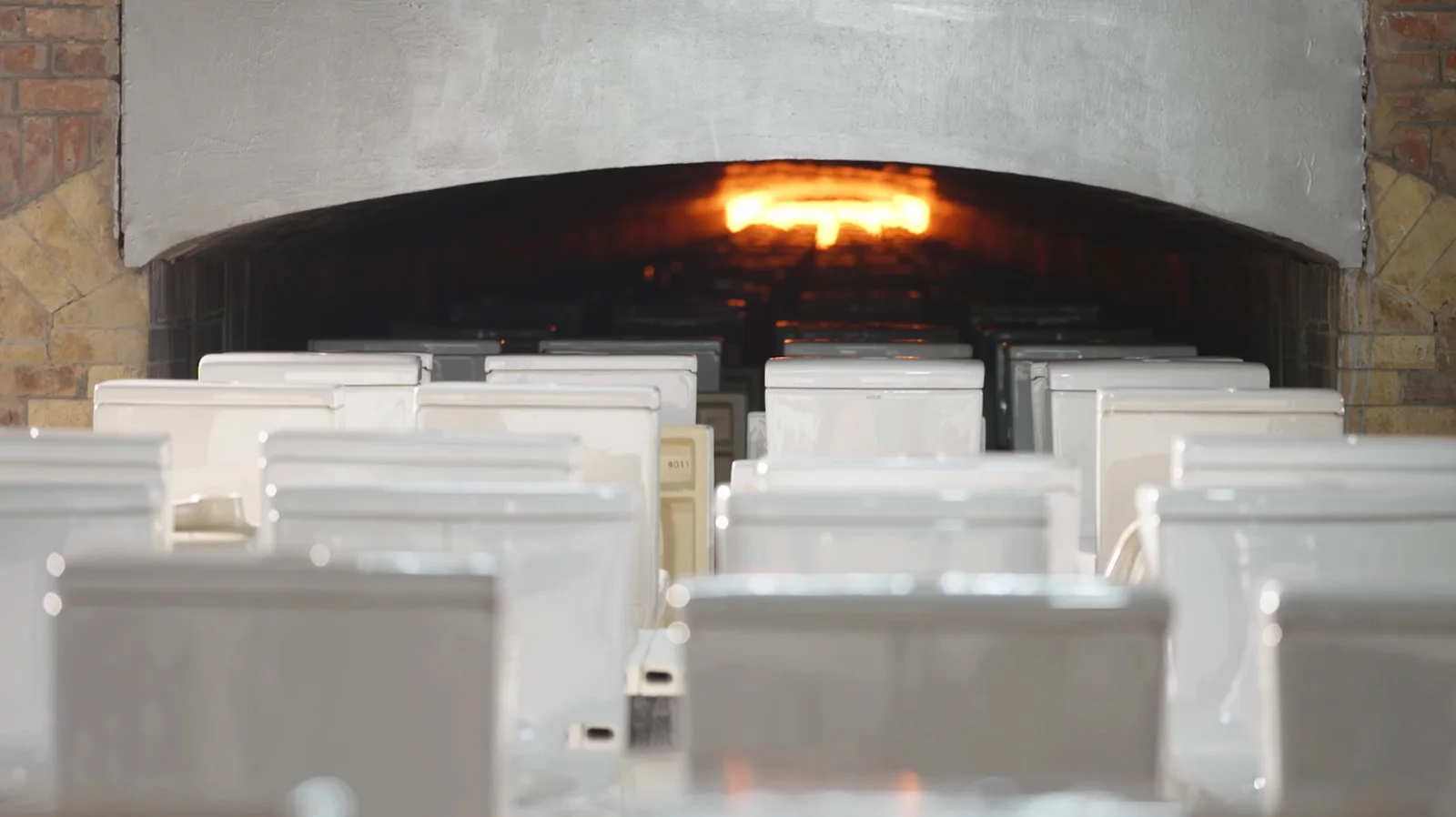
Ceramic sanitary ware entering MICAWA’s 1,280°C tunnel kiln line.
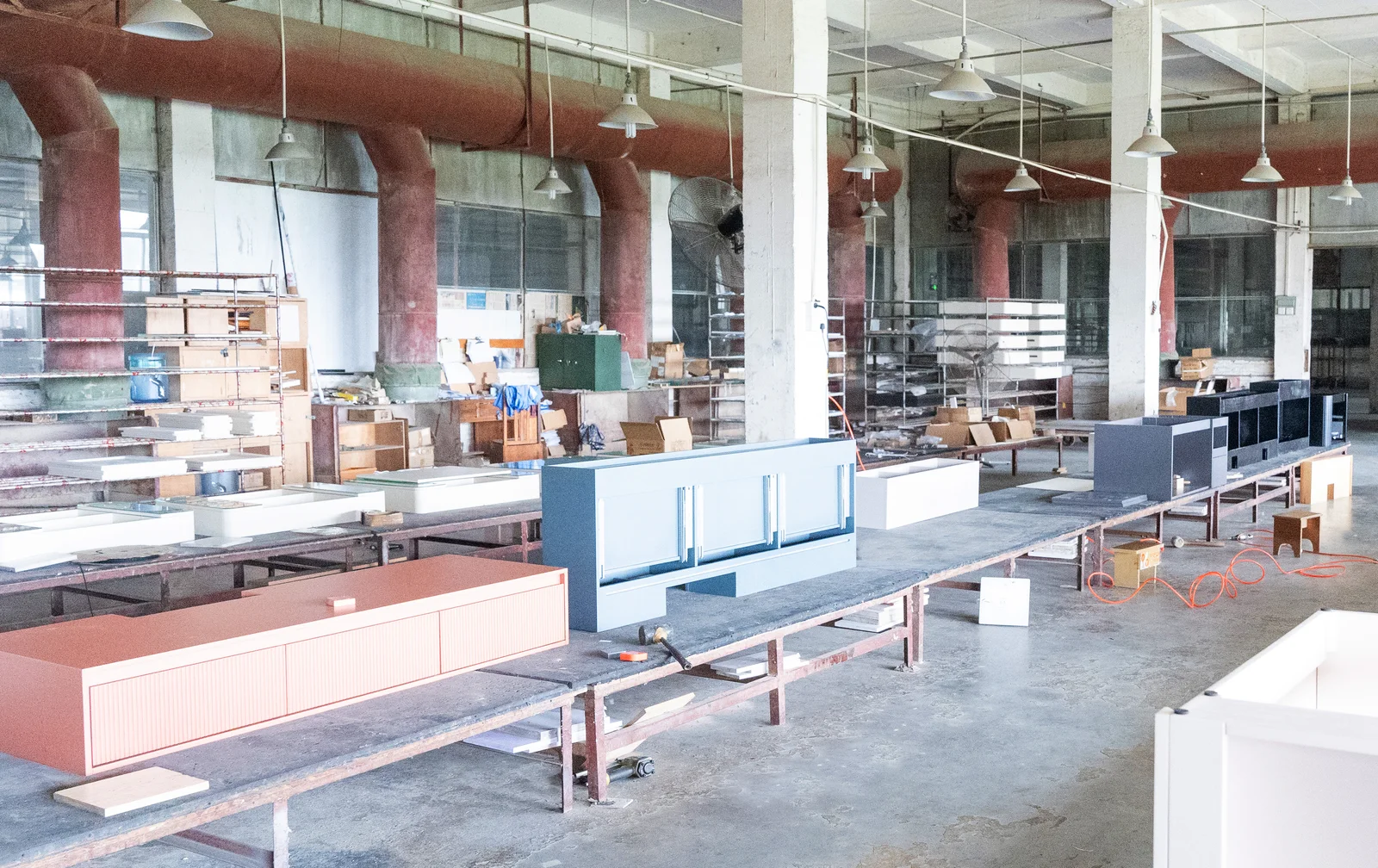
Vanity cabinet fabrication and assembly workshop.
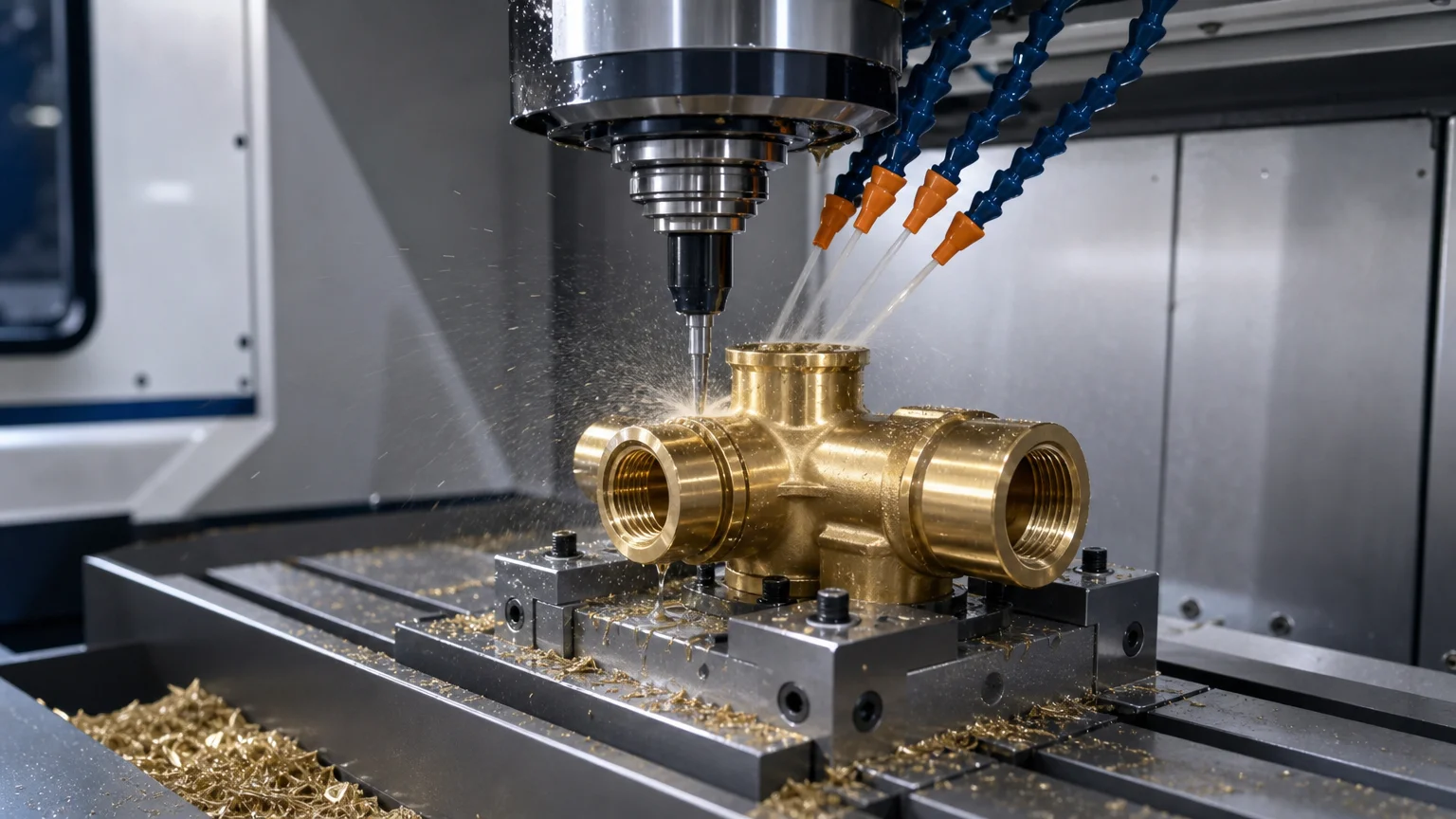
CNC brass body machining for faucets and mixers.
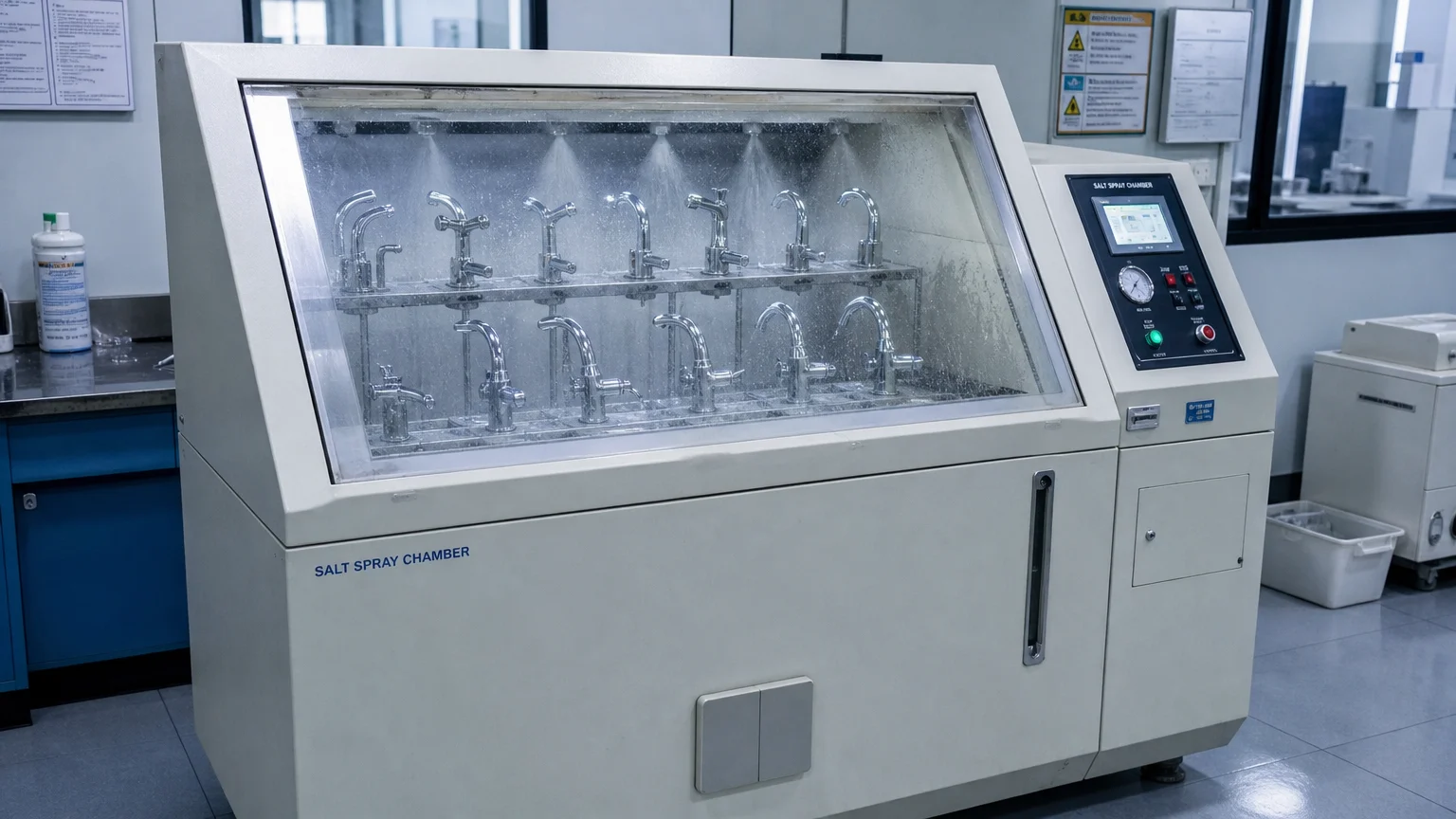
In-house salt-spray chamber evaluating surface plating durability.
05. Three Example Bathroom Packages Using MICAWA Products
To illustrate how MICAWA’s catalog models can be grouped for different project budgets and room layouts, the matrix below shows three example combinations. These are illustrative package examples rather than pre-engineered site submittals or delivered case records—overall vanity heights, rough-in clearances, basin cutouts, and voltage requirements must be confirmed on approved CAD drawings prior to production.
| Example Package & Target Use | Toilet | Vanity Set (Cabinet, Top & Mirror) | Faucet & Shower Hardware | Shower Enclosure / Bathtub | Key Technical Checks |
|---|---|---|---|---|---|
| Package A: Apartments & Economy Hotels Chrome finish · compact layout | MB-1872 One-Piece · 670 × 360 × 700 mm · 300/400 mm S-trap · Crystal white | MQF-4726-8HW Main cabinet: 800 × 500 × 505 mm · Smart mirror cabinet: 750 × 725 × 162 mm (confirm overall vanity/basin dimensions) | M-1012CW Chrome Mixer + M-3652-1C Chrome Exposed Shower | MPF-034 Diamond Corner Enclosure 8 mm glass · Mirror stainless frame · Custom size option | Exposed shower simplifies renovation piping; verify 120° outward door swing against toilet and vanity spacing and confirm smart mirror voltage. |
| Package B: Mid-to-Upper Hotel Guestrooms Gunmetal grey hardware palette | MB-2813H Wall-Hung (525 × 350 × 385 mm) or MB-1865A Smart Toilet (685 × 407 × 436 mm; 220V std.) | MMY-1200SW Main cabinet: 1180 × 473 × 408 mm · Top: 1200 × 560 × 12 mm sintered stone w/ MP-4709 seamless basin · Mirror cabinet: 1158 × 168 × 700 mm | M-1012FW Gunmetal Mixer + MHC-3761F Thermostatic (or M-3720F) Concealed Shower | MPF-030 Double Sliding or MPF-042 T-Shaped 8 mm Enclosure Gunmetal frame option | MMY-1200SW ships as standard with the MP-4709 seamless basin; substituting a separate ceramic basin (e.g., MP-4717) requires custom cutout CAD approval. Compare gunmetal metal swatches before ordering. |
| Package C: Villas & Executive Suites Full 6-zone soaking & smart bath | MB-1876BJS Smart Toilet 720 × 410 × 450 mm · 305/400 mm rough-in · 220V ~ 50Hz std. | MJY-1500SW Main cabinet: 1490 × 555 × 400 mm · Top: 1500 × 560 × 12 mm w/ MP-4709 basin · Mirror: 1070 × 37 × 650 mm · Side cabinet: 420 × 153 × 650 mm (or M-2000SW 1990 mm double basin) | M-1012FW + MHC-3761F + M-6145F Floor-Standing Bathtub Filler (Gunmetal, G 1/2") | M-1609ZQ Freestanding Tub (1600 × 700 × 800 mm) or MJ-1728SQ (1710 × 850 × 660 mm) + MPF-030 | Confirm 110-120V vs. 220V electrical configuration, room doorway width for freestanding tub delivery, and exact M-1609ZQ or M-2000SW finish confirmation on quotation. |
Package A Visual Reference
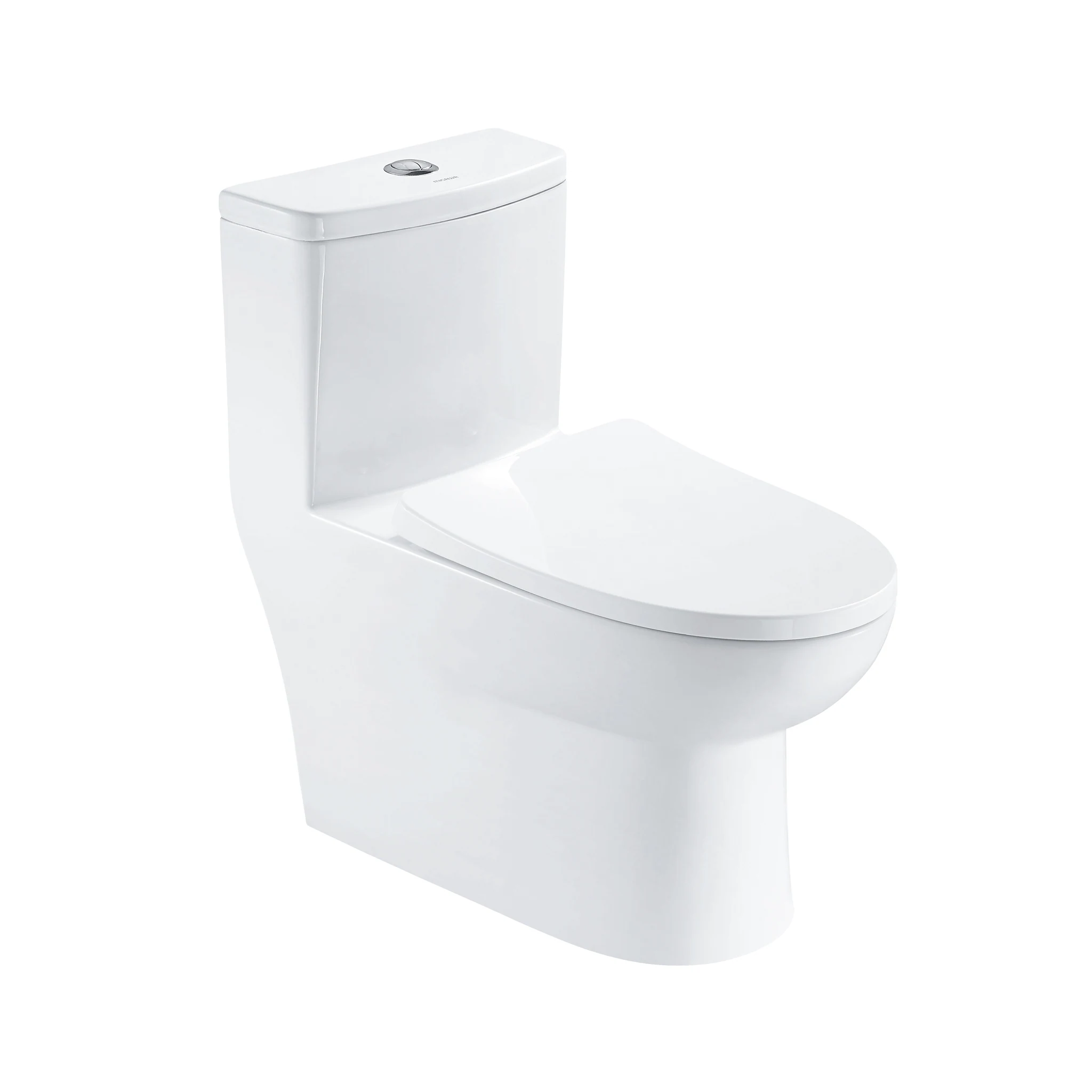
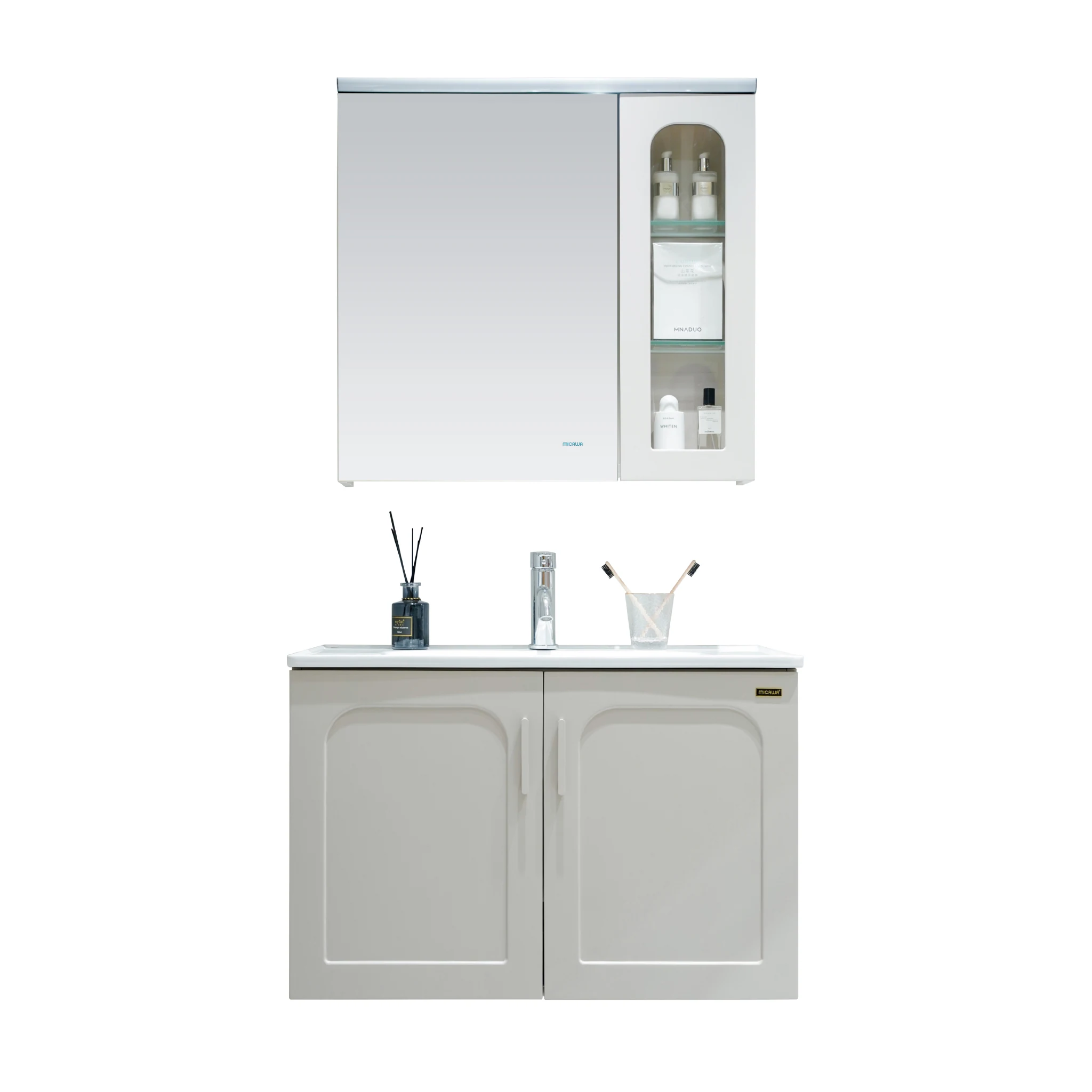
MB-1872 + MQF-4726-8HW paired with chrome mixers and MPF-034 corner shower screen.
Package B Visual Reference
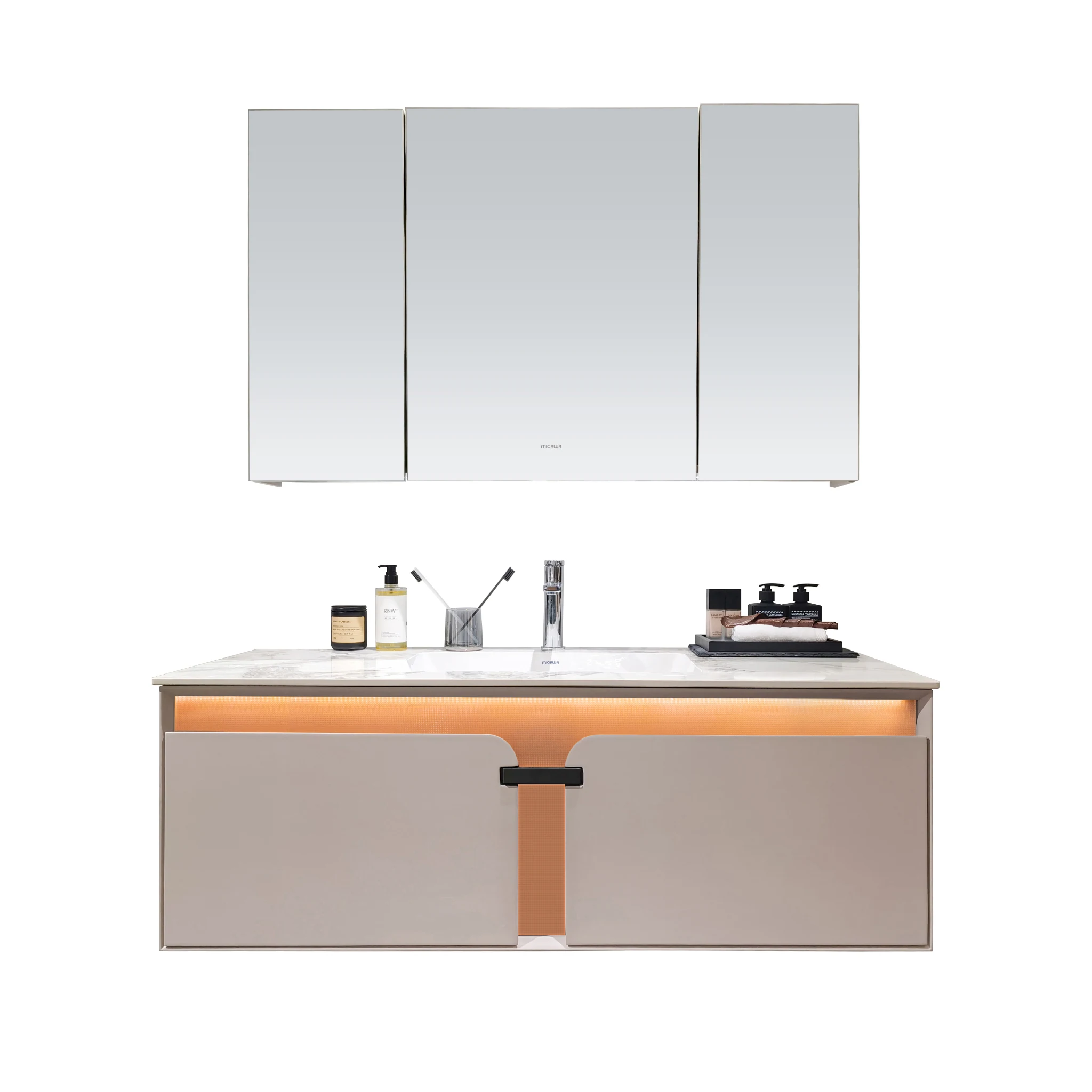
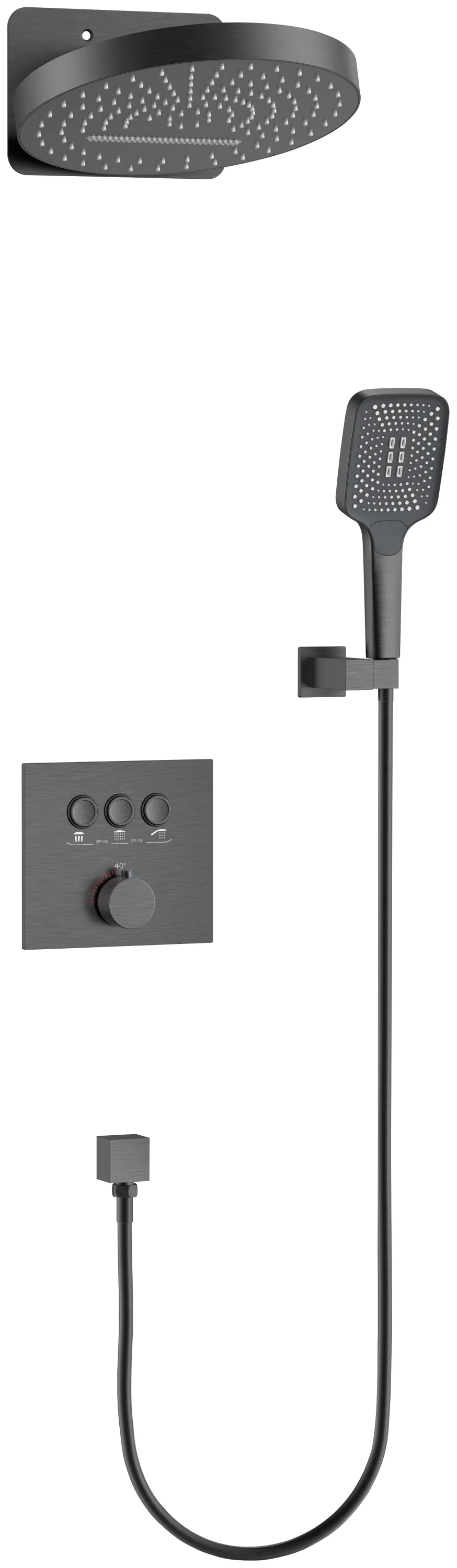
MMY-1200SW (w/ MP-4709 top) + MHC-3761F gunmetal hardware and wall-hung/smart WC options.
Package C Visual Reference
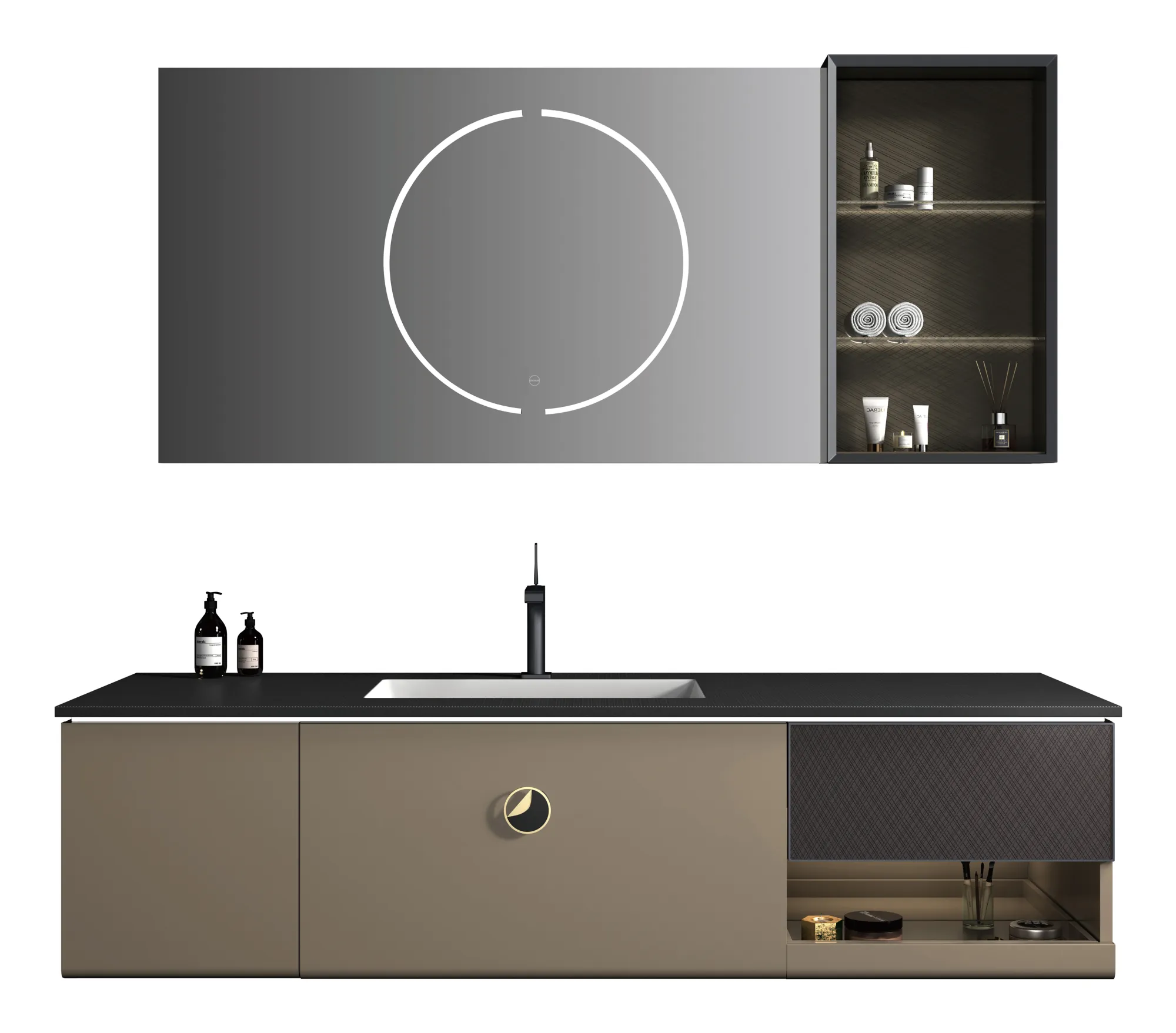
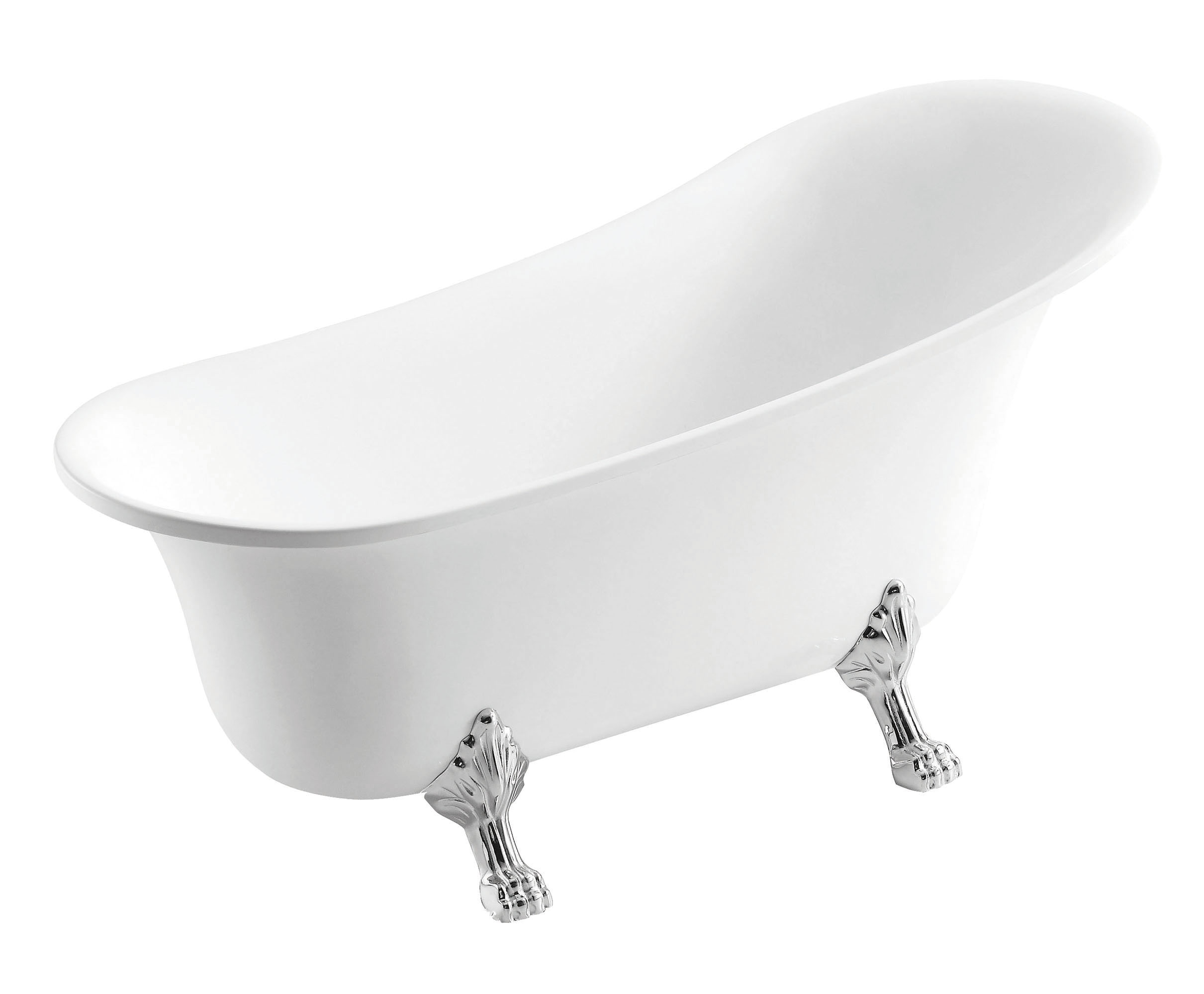
MJY-1500SW + M-1609ZQ soaking tub paired with MB-1876BJS smart toilet and M-6145F tub filler.
Need a Package Tailored to Your Room Dimensions?
Share your room schedule or floor plan to review matching models, finish swatches, and CAD drawings.
06. Quality Control, Packaging and Mixed-Container Shipping
Across hotel bathroom fixtures sourcing and bathroom fixtures for construction projects, schedule overruns usually come from unverified technical interfaces or transit damage rather than catalog pricing. Addressing five common procurement risks early protects both installation timelines and landed budgets:
- White-Tone Variations Across Materials: Vitreous china ceramics, sintered-stone tops, and acrylic bathtubs reflect warm vs. cool lighting differently. Compare approved ceramic glaze tiles alongside stone and acrylic samples under project lighting temperatures before mass production.
- Plating & Coating Variations on Metal Trim: Brass faucets (plated chrome or PVD gunmetal/black) and stainless steel or aluminum shower profiles undergo different surface processes. Review physical color plaques across brassware and glass frames together and define acceptable batch tolerances in writing.
- Basin, Vanity & Faucet Dimensional Conflicts: Verify countertop cutout drawings, drawer U-notch clearances around P-traps, and spout reach against the selected basin rim before CNC cabinet machining begins.
- Regional Plumbing, Voltage & Compliance Checks: Confirm 300/400 mm floor S-traps vs. rear H180 mm P-traps (see our toilet rough-in guide), NPT vs. G 1/2" threads, 110-120V vs. 220-240V electrical specs for smart toilets and LED mirrors, and exact model-level certification scope (such as cUPC, WaterSense, CE, WELS, or CCC where applicable).
- Multi-Leg Handling & Export Packaging Risk: Additional local trucking and warehouse repacking steps increase handling exposure for fragile ceramic shells and tempered glass. Specify protective export cartons, edge guards, moisture protection, and heat-treated/fumigated wooden framing compliant with IPPC ISPM 15 standards whenever solid wood packaging is used.
Mixed-Container Load Planning Principles
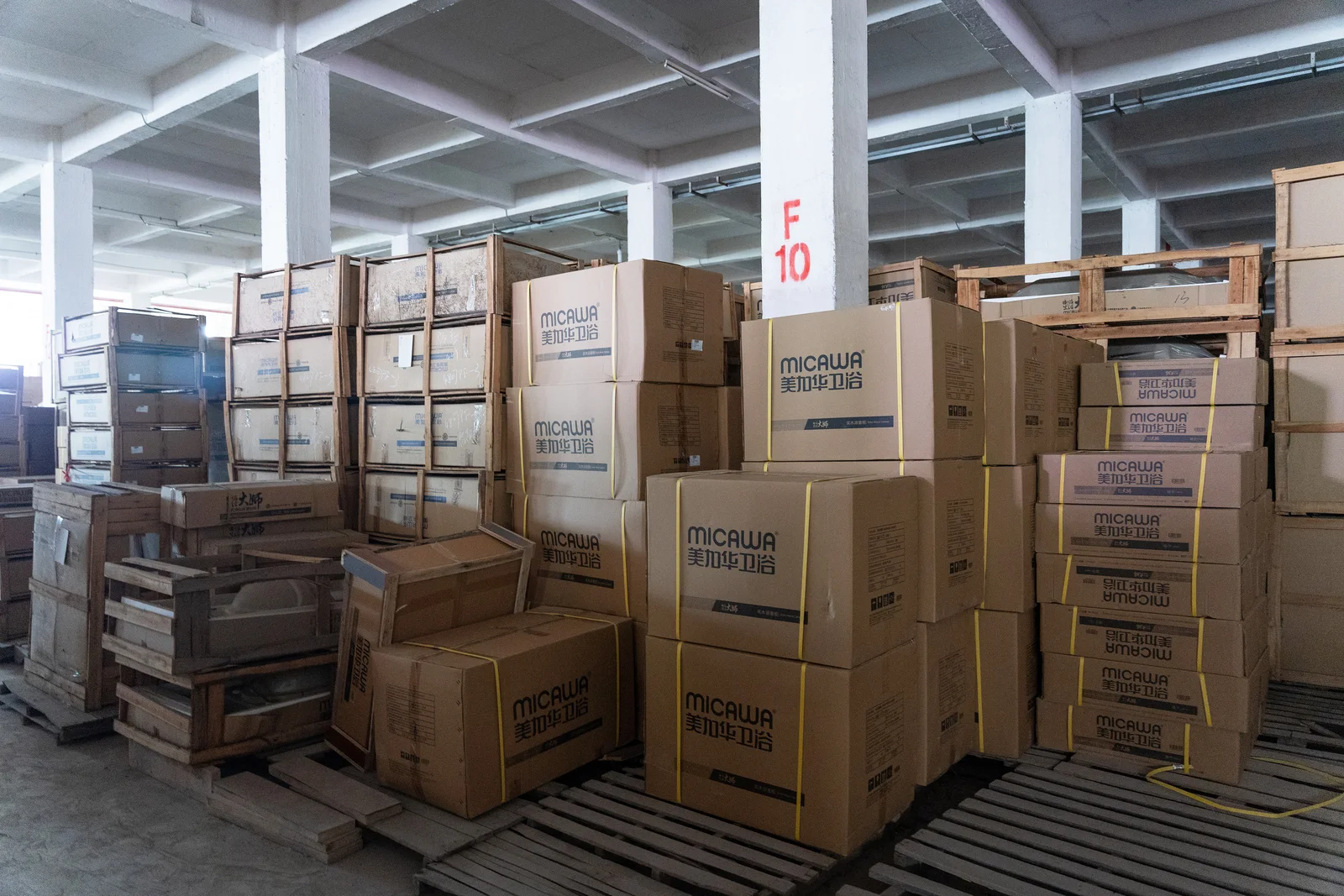
Combining heavy vitrified ceramics, high-volume vanities and tubs, fragile glass panels, and compact brassware cartons inside one container improves freight efficiency—but there is no single rigid stacking layout suitable for every shipment. Whether cabinets or acrylic tubs can travel above ceramics depends strictly on verified carton crush ratings, load-spreading timber separator decking, container axle-weight balance, and the confirmed packing plan for your specific SKU mix.
07. How to Verify a Foshan Bathroom Manufacturer
Whether engaging suppliers online or during a Foshan factory visit, run a structured seven-step check before issuing a deposit (see our full bathroom factory audit guide and package procurement checklist):
- Prepare a Complete Room Schedule: List quantities, target dimensions, drainage rough-ins, thread types, and electrical ratings across every room category.
- Verify Manufacturing Scope: Confirm which categories are fabricated at the Foshan campus and which components or specialty parts are coordinated through approved partner workshops.
- Sign Off Physical Reference Samples: Approve ceramic glaze tones, cabinet panels, and metal finish swatches together under consistent lighting before production starts.
- Cross-Check Installation Drawings: Review basin-to-vanity cutout tolerances, concealed valve depths, and door swing clearances on approved CAD sheets.
- Confirm Commercial & Packaging Terms: Document project-based MOQs, consolidated production dates, ICC Incoterms® 2020, optional room-code markings, and agreed warranty/spare terms.
- Inspect Finished Batches Before Shipment: Check glaze consistency, cabinet assembly, water-seal/leak testing, and carton packaging integrity prior to final balance release.
- Review Container Loading & Export Documents: Verify upright glass bracing, load balance photos, and matching commercial invoice and packing list records.
Six Questions to Verify Manufacturing Capability
- “Which production lines can we inspect on site at your Foshan campus, and which parts or categories are produced via partner facilities under your quality plan?”
- “Can we review physical glaze, cabinet board, and metal finish swatches side by side and record signed reference tolerances before batching?”
- “Can your engineering team confirm basin cutout drawings and plumbing clearances across our selected vanity and faucet models before cutting?”
- “For the exact SKUs on our schedule, what model-specific test reports or market certifications (such as WaterSense, cUPC, CE, WELS, or CCC) are available for review?”
- “How will cartons, protective crates, and heavy items be arranged and braced inside a mixed container for our specific order volume?”
- “What spare cartridges, seals, or replacement parts and after-sales claim terms apply under our final contract?”
08. Why Work with MICAWA in Foshan?
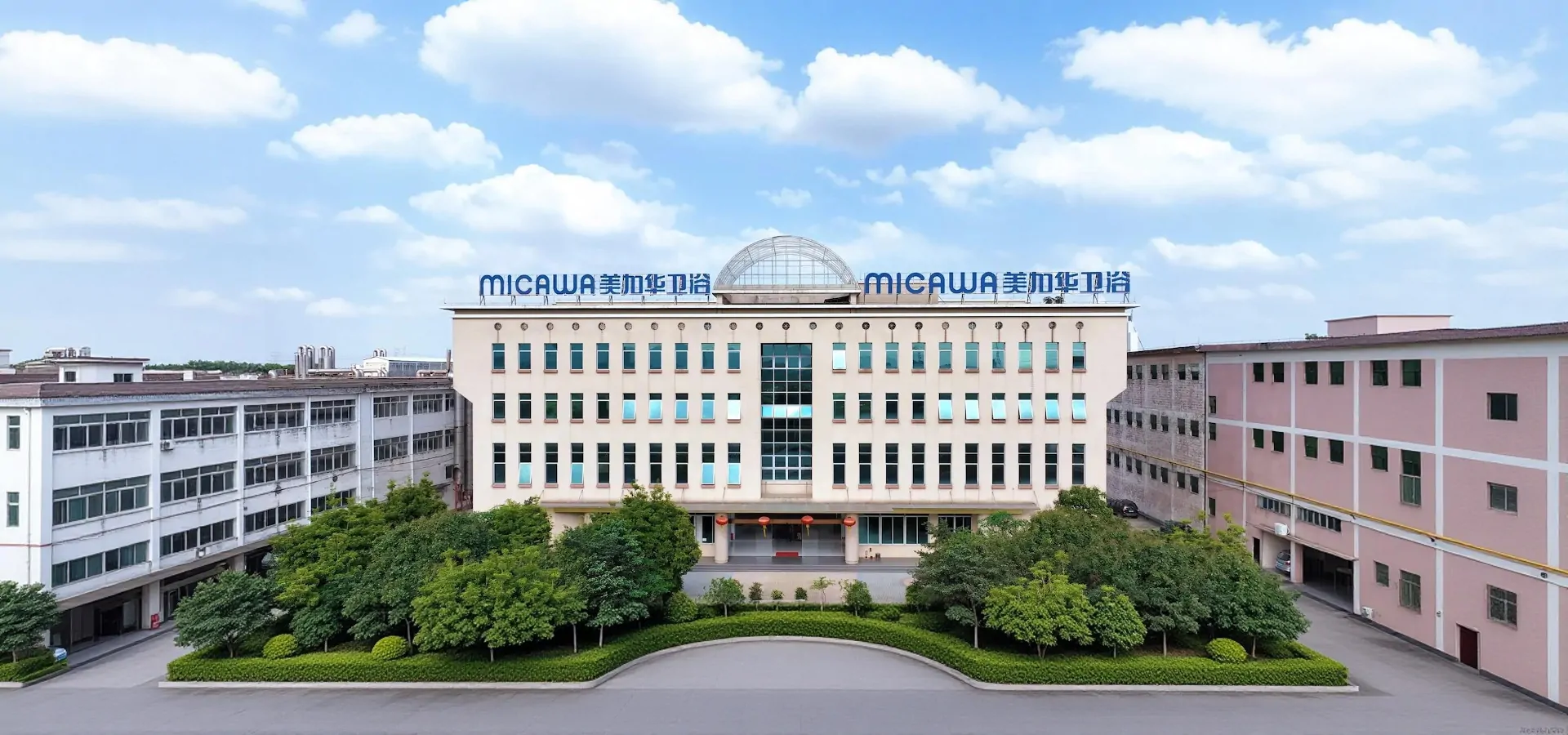
Founded in Foshan in 2000, FOSHAN MICAWA CERAMICS CO., LTD. operates an integrated 200,000 m² manufacturing base in Sanshui District, Foshan (#82, Sanshuidadaonan Road), equipped with two 123-meter automatic tunnel kilns (1,280°C / 18-hour firing curve), cabinetry and mirror workshops, brassware machining and testing labs, acrylic tub production, and shower enclosure assembly. Management systems hold ISO 9001:2015 and ISO 14001:2015 certification, alongside CCC certification for explicitly listed smart-toilet configurations.
Beyond manufacturing facilities, MICAWA’s documented commercial project reference archive includes coordinated sanitary ware supply programs across landmark sports venues, five-star hotels, and transport infrastructure buildings—demonstrating practical experience managing multi-category schedules for commercial project buyers and specifiers. Note that historical project references document coordinated category supply for the named buildings rather than claiming exclusive supply across every fixture in an entire complex.
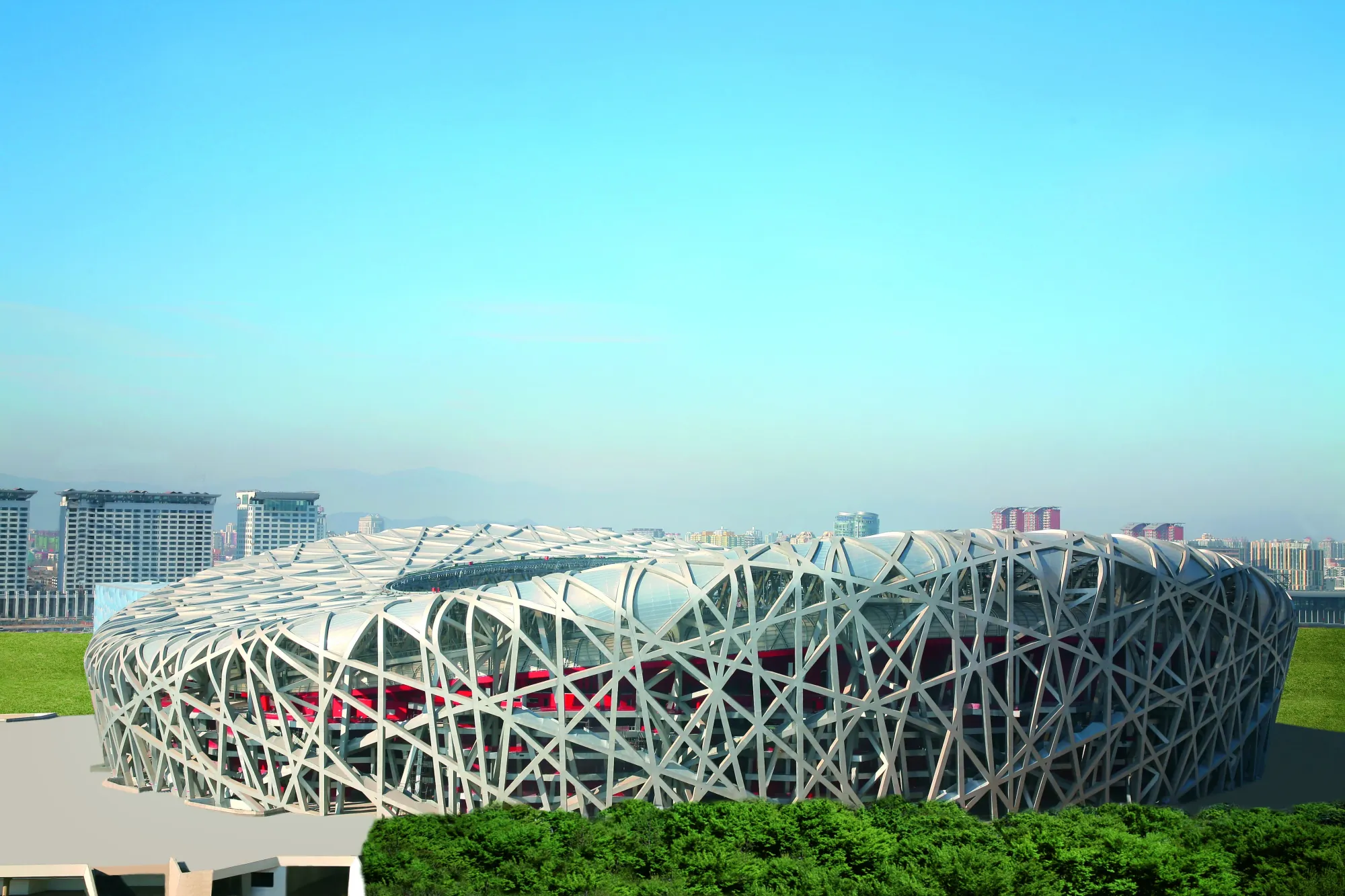
Beijing National Stadium (2007)
Public venue reference covering coordinated toilets, urinals, basins, faucets & sensor fixtures.
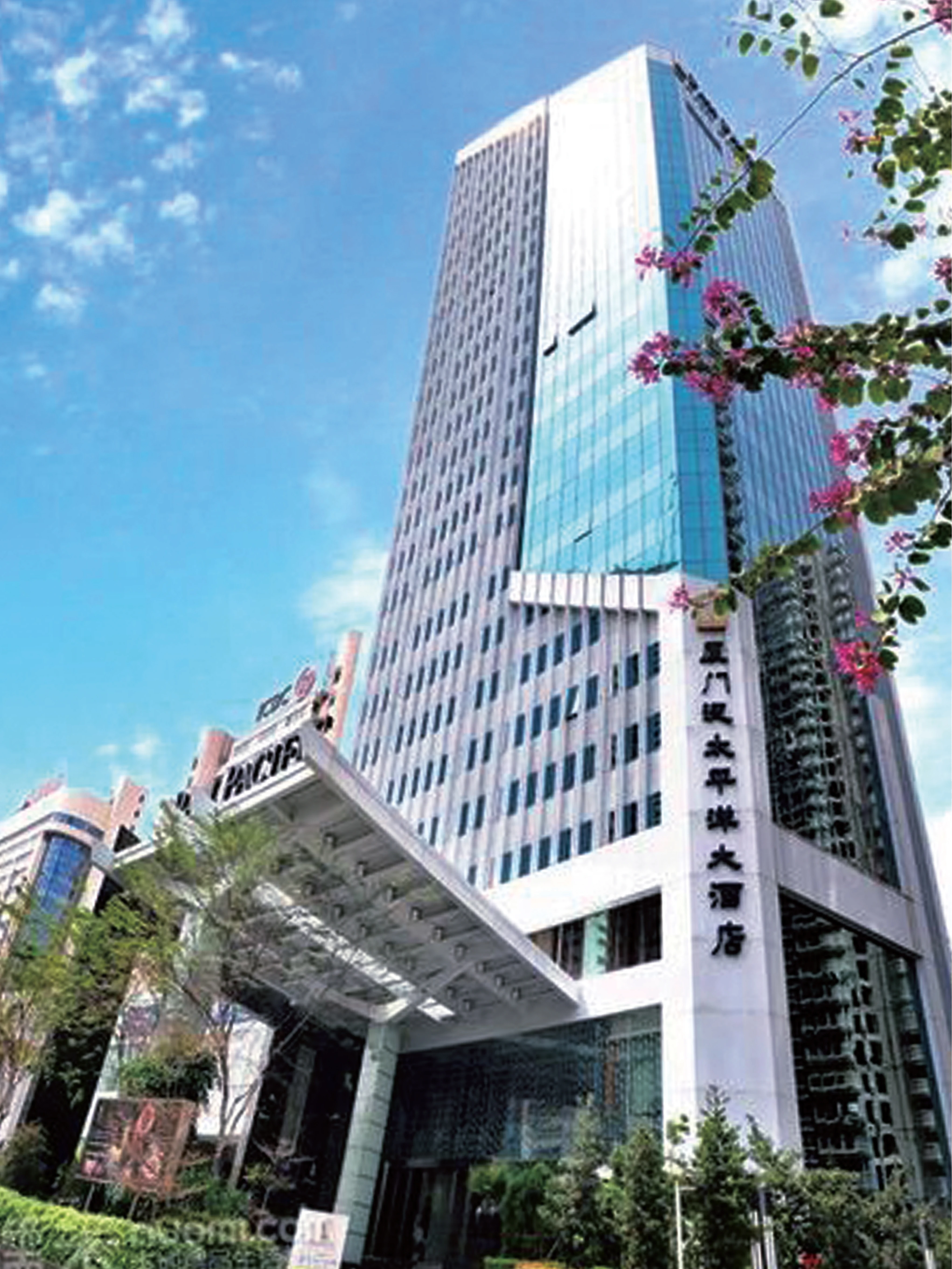
Pan Pacific Xiamen (2009)
Hospitality reference combining guestroom toilets, basins, faucets, shower fittings & bathtubs.

Daxing Airport Border Inspection Building (2019)
Transport facility reference coordinating toilets, urinals, basins, faucets & sensor washrooms.
Get a Project Quotation from MICAWA
Share your fixture schedule, room drawings, destination market, and target finishes. Our team will confirm available SKU specifications, technical drawings, packaging options, and project-based MOQs.
Standards & References
- IPPC ISPM 15 — Regulation of Wood Packaging Material in International Trade.
- ISO 9001:2015 — Quality Management Systems.
- U.S. EPA WaterSense — Product Specifications & Australian Government WELS Scheme.
- International Code Council (ICC) & ICC Incoterms® 2020.
- MICAWA Corporate, Catalog & Case Records (
FOSHAN MICAWA CERAMICS CO., LTD.— 200,000 m² Sanshui base, two 123 m tunnel kilns at 1,280°C / 18h, ISO 9001:2015 & ISO 14001:2015 records, current catalog specifications, and documented project archive).
Related Sourcing Guides
Complete Bathroom Package vs. Individual Sourcing
Compare cost structure, coordination workload, and risk trade-offs across package and individual vendor routes.
Complete Bathroom Package Procurement Checklist
Operational checklist covering room schedules, quantities, samples, compliance documents, and phased deliveries.
How to Import Bathroom Fixtures from China
Practical B2B guide to Incoterms, landed cost modeling, compliance checks, and ocean freight execution.
How to Audit a Bathroom Factory Before Ordering
Field checklist to verify kilns, workshops, inspection records, and quality systems on site.