Skip to content
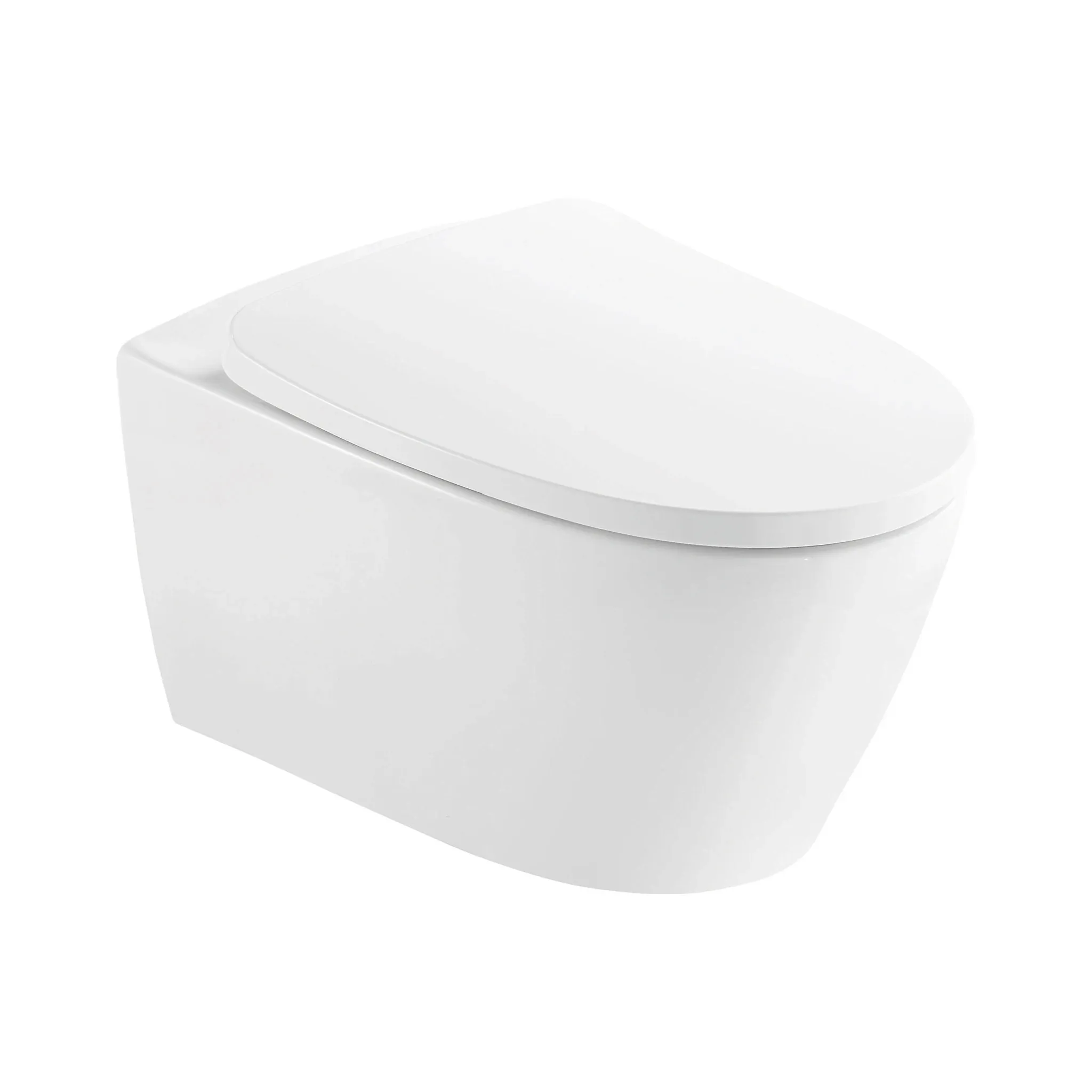
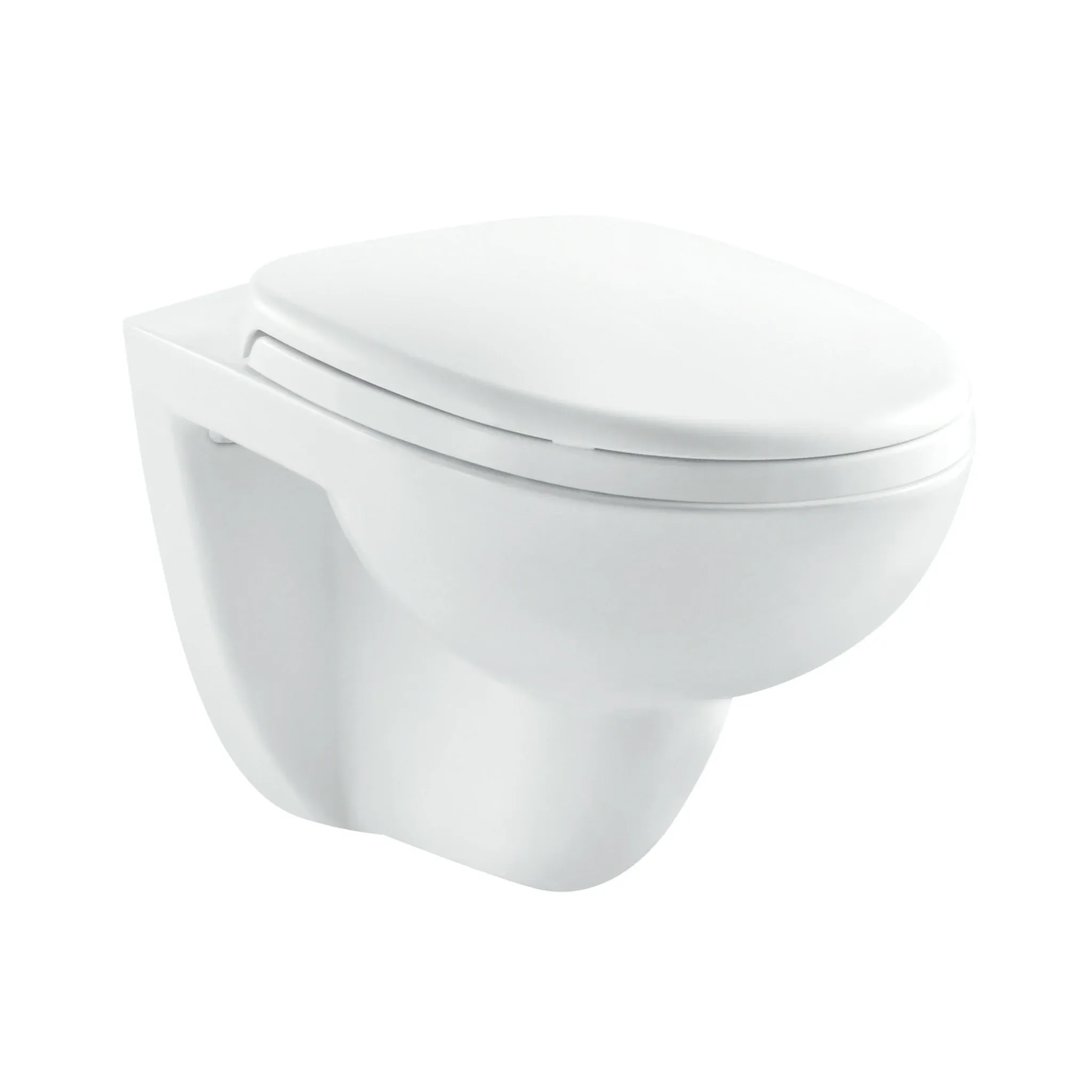
MICAWA wall-hung ceramic toilet with concealed cistern and wall outlet

Wall Hung Toilet Manufacturer & Wholesale Supplier

MICAWA is a wall-hung toilet manufacturer based in Foshan, China, supplying wall-outlet ceramic bowls for distributors, bathroom brands, hotel and residential projects. Current models use a horizontal-outlet wash-down flush and a PP soft-close seat, and are supplied for programmes where the concealed carrier frame already forms part of the wall build-up.

Wall outletHorizontal wash-down flushPP soft-close seatCrystal white

Current product range

Wall-Hung Toilet Collection

Compare MICAWA wall-hung toilets by dimensions, outlet arrangement and seat configuration. Both current models are crystal-white vitrified ceramic with a horizontal-outlet wash-down flush, a wall outlet and a PP soft-close seat, with the full specification available on each product page.

Buyer selection guide

How to Choose a Wall-Hung Toilet for Your Market

A wall-hung bowl is only one part of the installation. The frame, the wall, the drainage and the finished floor level decide whether the model fits, so work through this list before you approve a sample.

Selection StepWhat to ConfirmWhy It Matters
1. Carrier frame and wall typeConcealed frame model, fixing method, and whether the wall is masonry, concrete or stud-framedThe bowl bolts to the frame, not the wall finish. Frame dimensions, stud spacing and wall build-up must suit the selected bowl before the wall is closed.
2. Rough-in and outletWall outlet position, outlet height, waste connector type and available wall depth for the horizontal runMB-2813H and MB-2815H discharge horizontally through the wall, so the outlet is set by the frame and drainage drawing rather than by the toilet.
3. Finished floor levelFinished floor height, bowl rim height and the vertical adjustment available at the frameWith no floor fixing, installed height is measured from the finished floor. A late change in floor build-up throws the bowl height out.
4. Service accessFlush-plate opening size, plate position and whether the plate can be removed after tilingThe flush plate opening is normally the only route to the concealed cistern and inlet valve, so maintenance depends on it staying reachable.
5. Bowl, seat and flush plateModel dimensions, seat material and soft-close function, plate finish and actuation typeThese visible parts define the finish level of the bathroom and must match the rest of the sanitary ware specification.
6. Market documentation and supplyDestination country, required standard, quantity, OEM branding and packaging requirementDocumentation, MOQ and carton artwork are all confirmed against the exact model and market before production.

Manufacturing & technical advantages

Wall-Hung Toilet Manufacturing on the Same Sanitary Ceramic Line

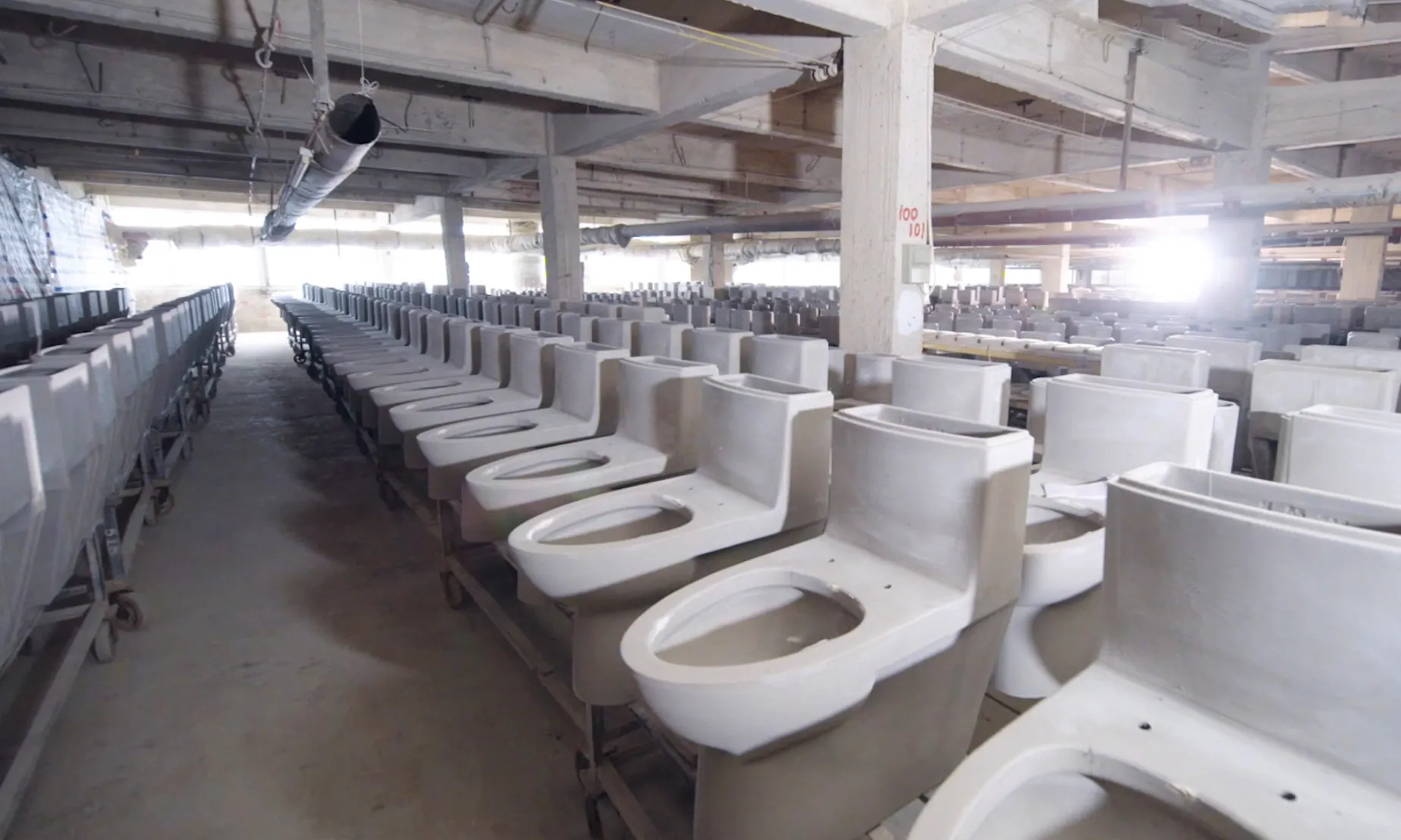
Wall-hung bowls are produced on the same sanitary ceramic line as the MICAWA one-piece range, so ceramic forming, firing, glazing and flushing checks follow the same process controls.

MICAWA sanitary ceramic production line
Vitrified ceramic bodyFired at 1,280°C for 18 hours with a water absorption rate of 0.1%, giving a dense body that resists staining and moisture over a long service life.
Microcrystalline easy-clean glazeAn antibacterial, self-cleaning glaze produces a smooth bowl surface that releases waste more readily and reduces the effort needed to keep the ceramic clean.
Fully glazed waste pathThe trapway receives three glaze applications, with a passage diameter of at least 50 mm, a three-second rapid discharge target and a water seal height of at least 50 mm.
Seat and flushing endurancePP soft-close seats are tested for at least 50,000 opening cycles and flushing components for at least 100,000 operating cycles, which matters where a single specification is repeated across many rooms.
Wall fixing geometryBowl dimensions, the wall fixing centres and the outlet position are documented for each model, so the bowl can be checked against the carrier frame before the wall is closed.

Compact bowl dimensions for tight bathrooms

MB-2813H measures 525 × 350 × 385 mm and MB-2815H measures 570 × 385 × 355 mm. Because the cistern sits inside the wall, most of that depth is bowl, which helps where the plan depth of the bathroom is limited.

Ceramic supply matched to a frame you control

Buyers who already specify a carrier system can take the bowl, seat and documentation as a defined ceramic package, keeping the frame scope with the plumber or the project supplier.

Technical confirmation before approval

Specifications and test results are model-specific. Confirm the current technical sheet, the wall fixing and outlet drawing and the required components before sample or production approval.

Manufacturing details, available configurations and test results are model-specific. Request the latest technical documents for your target market and order.

Quality control & testing

Quality Control for a Bowl That Is Fixed Blind

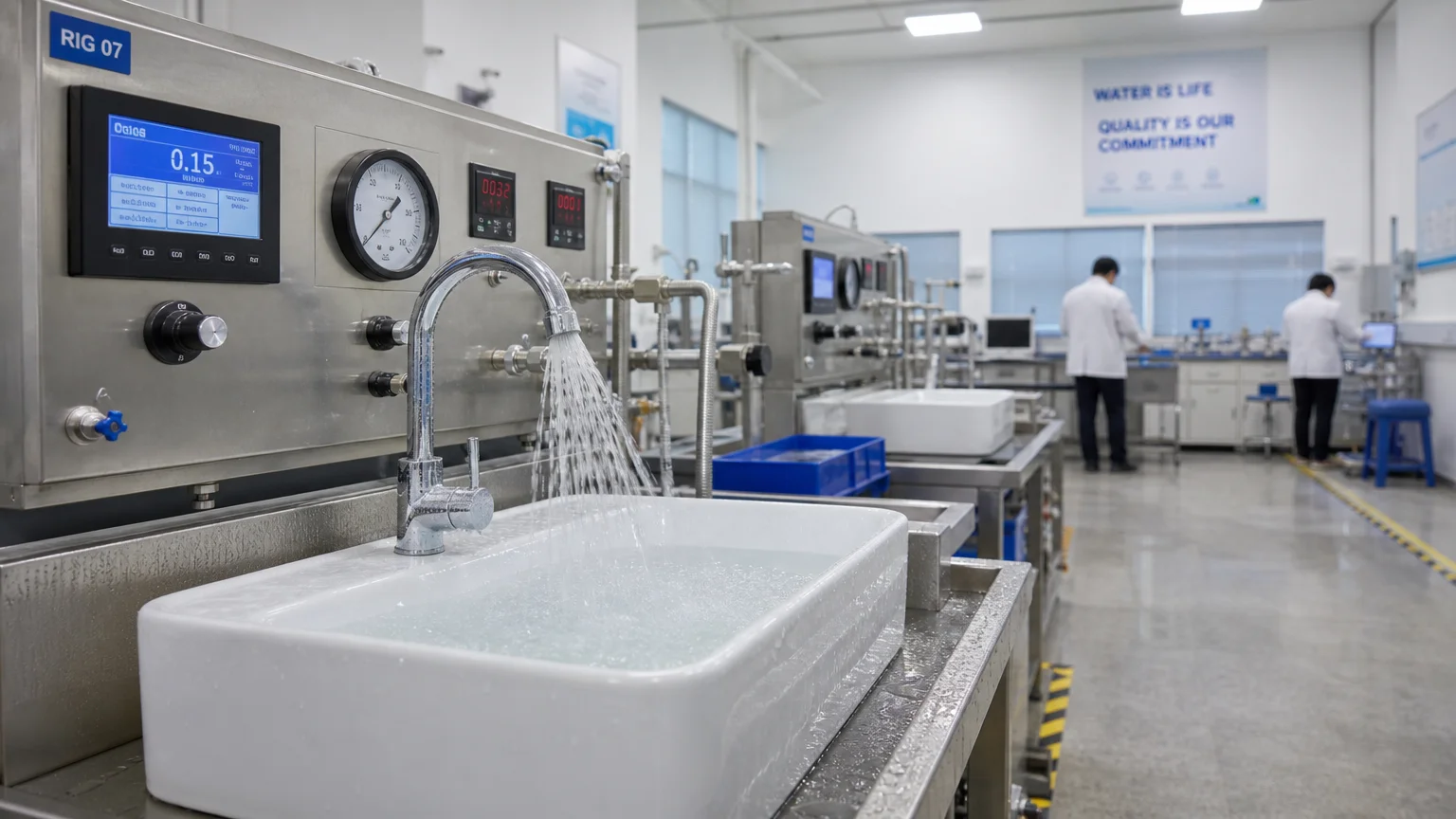
Once the wall is tiled, the fixing points and the outlet are no longer visible. Inspection therefore has to happen at the factory, against the drawing the installer will work from.

MICAWA sanitary ware testing laboratory

Product-relevant testing

Sanitary-ware checks can include water retention, leakage, flushing performance, dimensions and appearance review. Test conditions and acceptance criteria are confirmed for the selected model and market.

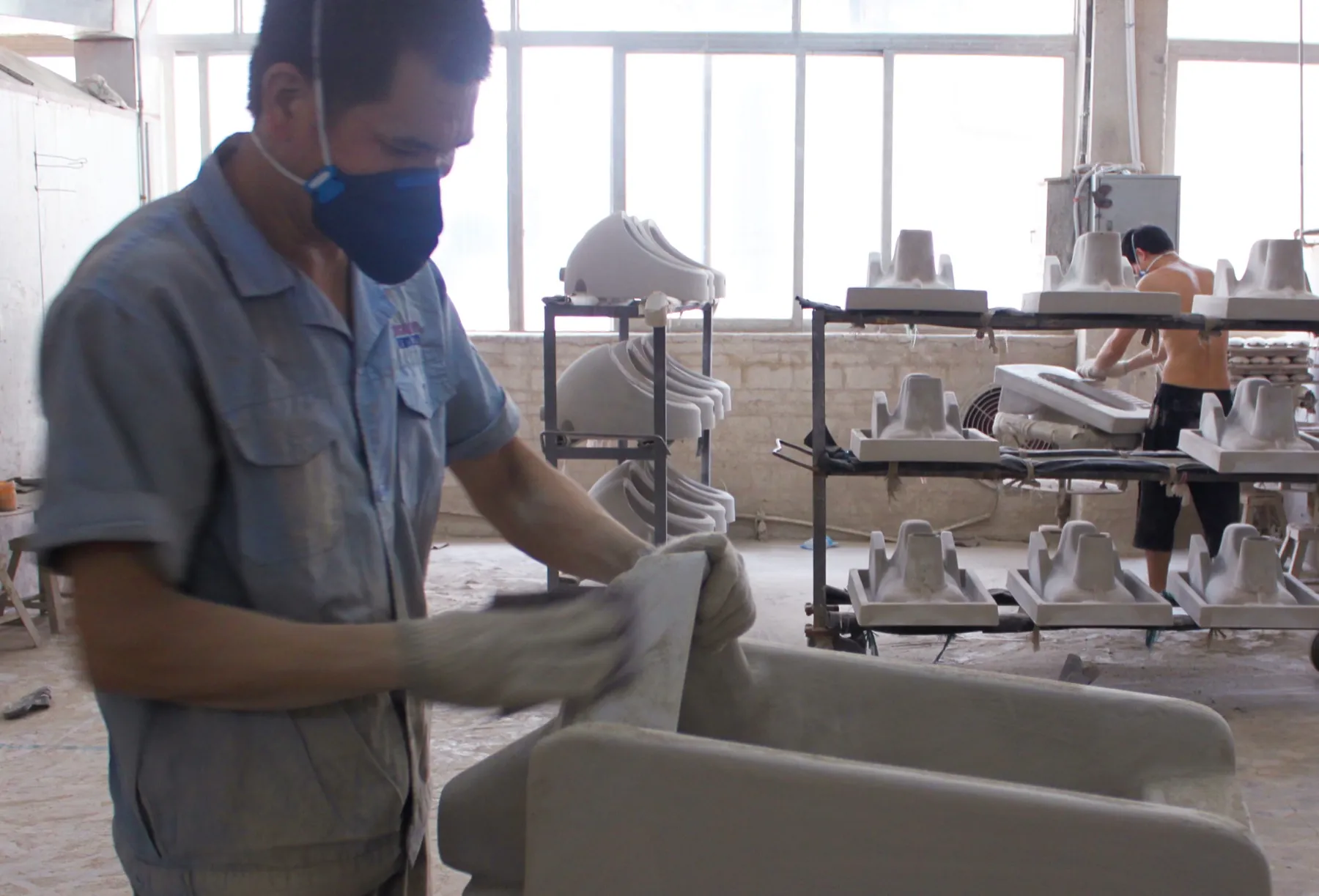
MICAWA worker inspecting a ceramic wall-hung toilet bowl

Ceramic and fixing-point inspection

Surfaces are reviewed for glaze coverage, colour consistency, pinholes, cracks and deformation. Bowl edges, the wall face and the fixing positions are checked so the bowl will seat flat against the finished wall.

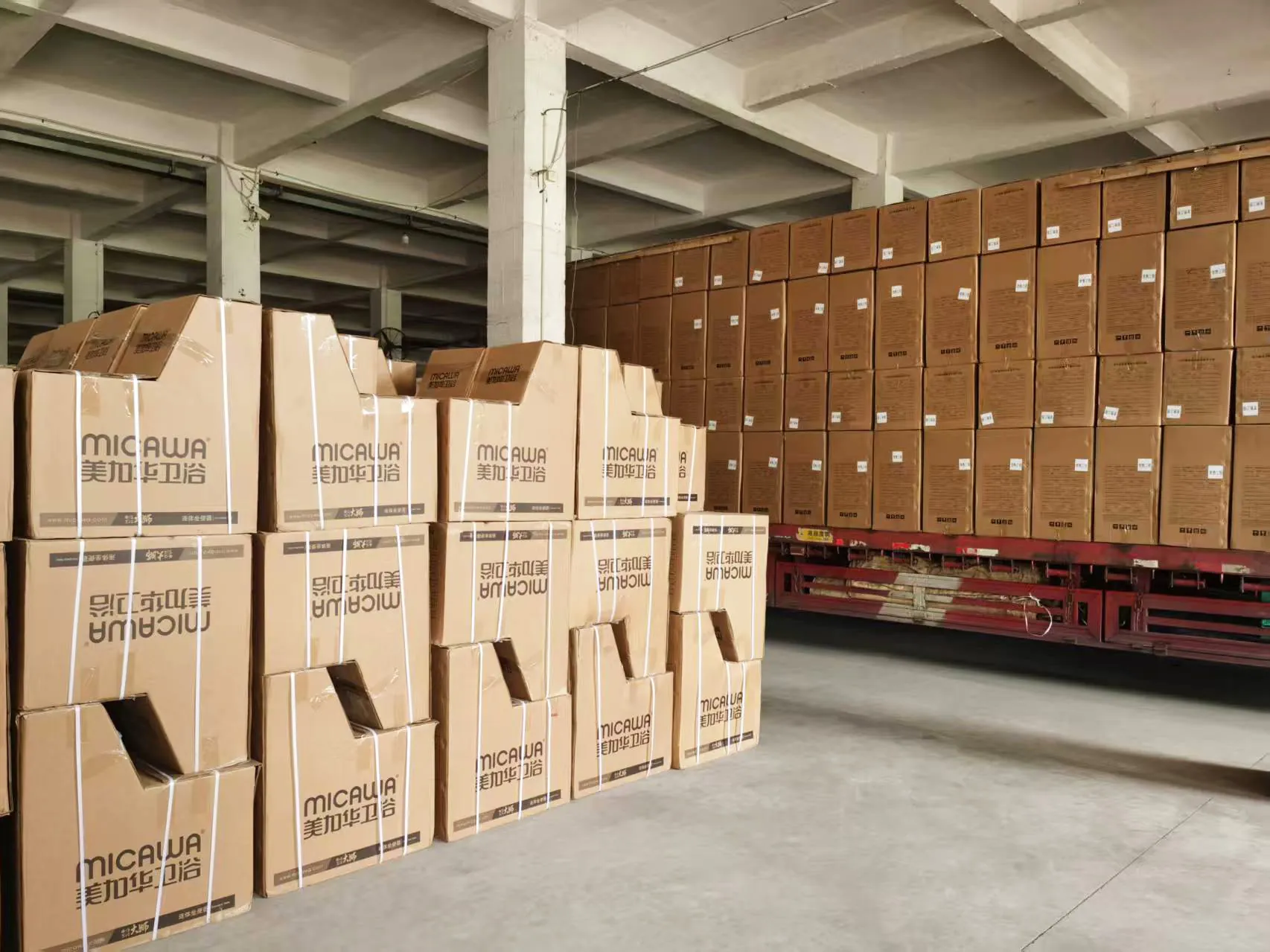
Packed wall-hung toilets in the MICAWA warehouse

Packaging and shipment checks

Model labels, seat and fitting packs, carton artwork and protective materials are checked against the approved order. Separate packing of the bowl and the seat is confirmed where required.

From requirement to shipment

The exact inspection plan is agreed according to product and order requirements. Buyers can provide their own acceptance criteria or arrange third-party inspection before production is released.

  1. 01Requirement review

    Confirm model, wall fixing and outlet drawings, market standard, appearance criteria and application.

  2. 02Sample validation

    Review bowl dimensions, fixing centres, outlet position, flushing behaviour, finish and seat.

  3. 03Production-stage inspection

    Monitor forming, firing, glazing and assembly before final packing.

  4. 04Final and packing inspection

    Check finished quality, seat pack, labels and carton protection.

  5. 05Document and shipment release

    Provide agreed quality information and prepare the confirmed quantity for delivery.

Scope matters.ISO 9001 and ISO 14001 describe management systems, not product certification, and the carrier frame is normally certified by its own manufacturer. Any product certificate, test report or destination-market approval must match the exact bowl, seat and frame combination being installed.

Wholesale, project supply & OEM

Wall-Hung Toilet Supply Structured Around the Installation Scope

MICAWA supports factory-direct supply for importers, distributors, bathroom brands and project buyers. The commercial route is confirmed by model, quantity, destination market, packaging and customization scope.

MOQCompany-supplied reference is 100 sets; confirm whether the requirement is per model, per seat option or for the total order.
SampleAvailable for selected models. Confirm sample cost, configuration and destination shipping before approval, and allow time for the frame drawing review.
PackagingCartons and wooden-frame protection can be discussed according to model, loading plan and project handling requirements. Bowl and seat may be packed separately.
Technical documentsRequest the current specification sheet, bowl dimensions, wall fixing and outlet drawing, seat pack list and applicable quality documents for the selected model.
Lead time & deliveryConfirmed after model, quantity, packaging, inspection requirements and delivery destination are finalized.

OEM / ODM route

From Existing Bowl to Private-Label Product

Choose the shortest route that matches your product ambition. Existing models suit a faster launch with your logo, carton and manual; a new ceramic shape requires an engineering review, sampling and a tooling discussion. Because the frame usually stays outside the ceramic scope, private-label work concentrates on the bowl, the seat and the packaging.

Model selectionLogo and markCarton and labelsInstallation manualSeat specificationFlush-plate finish where applicableNew mould review

How a wholesale or project order moves forward

  1. 01Share the brief

    Send the target market, application, quantity, wall type, outlet height and certification requirements.

  2. 02Shortlist models

    Match bowl dimensions, outlet arrangement, seat specification and packaging to the programme.

  3. 03Approve sample

    Confirm bowl dimensions against the frame, appearance, seat, components and private-label details.

  4. 04Release production

    Lock the approved specification, inspection plan, packaging and order quantity.

  5. 05Inspect and ship

    Complete agreed checks, prepare cartons and coordinate shipment documentation.

Buyer questions

Wall-Hung Toilet FAQ

Answers focused on the installation and sourcing questions this category actually raises, rather than consumer maintenance topics.

What is a wall-hung toilet?

A wall-hung toilet is a ceramic bowl that is fixed to the wall rather than to the floor, so the base never touches the finished floor. The bowl is supported by a concealed carrier frame inside the wall, and the cistern is hidden behind the wall finish, leaving only the bowl, seat and flush plate visible. The clear floor underneath makes the bathroom quicker to clean and frees the footprint that a floor-standing toilet would occupy.

Does a wall-hung toilet have to have a concealed carrier frame?

Yes. The ceramic bowl alone cannot carry the load, so a steel carrier frame is built into the wall before tiling and the bowl is bolted to the frame studs through the wall. The frame carries the bowl, the cistern, the waste connection and the two wall fixings. It is a separate supply item from the toilet, and MICAWA supplies the ceramic bowl. Buyers should confirm early whether they are sourcing bowl-only for a project where frames are already specified, or whether a complete set with carrier is required.

Can a wall-hung toilet be installed on any wall?

The wall has to be able to take a framed, load-bearing installation. A masonry or concrete wall can often accept the frame with suitable fixing, while a stud partition usually needs the framing reinforced or deepened to house the carrier and the concealed cistern with enough depth for the waste. The available wall thickness or build-up, the fixing method and the position of any structural elements should be checked before the model is fixed, because correcting wall structure after tiling is disruptive and expensive.

What rough-in and outlet height should I confirm for a wall-hung toilet?

Wall-hung models such as MB-2813H and MB-2815H use a horizontal-outlet wash-down flush with a wall outlet, so the waste leaves through the wall rather than the floor. That means the outlet height and rough-in dimension are set by the carrier frame and the drainage drawing, not by the toilet alone. Confirm the finished outlet height, the wall thickness available for the waste run and the connector type against your plumbing drawing before approving the bowl.

What is the finished floor level, and how does it affect installation?

A wall-hung toilet has no floor fixing, so its installed height is measured from the finished floor level — the top of the tiles, screed or raised floor, not the structural slab. If the floor build-up is still undecided when the frame is set, the finished height of the bowl can end up wrong. Service access is equally important: on this type of installation the flush plate opening is normally the only access point to the concealed cistern and inlet valve, so the opening must stay reachable and the plate should be demountable after tiling.

Which certifications apply to wall-hung toilets in my market?

Certification and documentation scope depend on the destination market and the exact model. Sanitary ware sold into North America is commonly reviewed against cUPC or WaterSense criteria, European buyers usually look for CE marking together with WRAS or EN 997 compliance for the flushing set, and Middle East and Southeast Asian projects often follow SASO or local water-authority rules. The carrier frame and the concealed cistern are usually certified as a set by their own manufacturer, so frames sourced separately need their own documentation. Tell us the target country and the required standard so the correct documents can be confirmed for the selected bowl.

Can MICAWA manufacture OEM or private-label wall-hung toilets?

Yes. MICAWA reviews model selection, logo and mark, carton artwork, labels, installation and maintenance manuals, and selected components for private-label wall-hung programmes. Because the bowl and the carrier are separate supply items, OEM scope often covers the bowl, the seat and the packaging, while the frame stays with the project supplier. New ceramic shapes follow a separate engineering, sampling and tooling review.

What is the MOQ for wholesale wall-hung toilets?

MOQ is confirmed by model, seat configuration, packaging requirement and whether the order covers the bowl only or a fuller set. As a company-supplied reference, MICAWA toilet programmes are usually discussed from 100 sets, and the exact minimum is set per model and per finish. Send your target models and expected order quantity so the minimum can be confirmed against a real production run.

What information should I provide for a wall-hung toilet quotation?

Provide the target model or preferred style, the destination market and required certifications, the estimated quantity, the wall type or carrier frame already specified on the project, the rough-in and outlet height from the drainage drawing, the finished floor level, the seat and flush-plate preference, and whether OEM branding or customized packaging is needed. Those inputs determine whether the quotation covers a bowl only or a coordinated set.
B2B RFQ

Request a Wall Hung Toilet Quote

Tell us your target market, preferred model, quantity, wall construction and rough-in so the quotation can be matched to the correct ceramic configuration.

Mobile / WhatsApp

Need Help Selecting Wall-Hung Toilet Models?

Send us your destination market, carrier frame specification and expected order quantity. Our team can help shortlist suitable bowls and confirm the drawings your installer will work from.

Request Model Recommendations →

We use only necessary browser storage to remember privacy preferences and support core site functions.