Skip to content
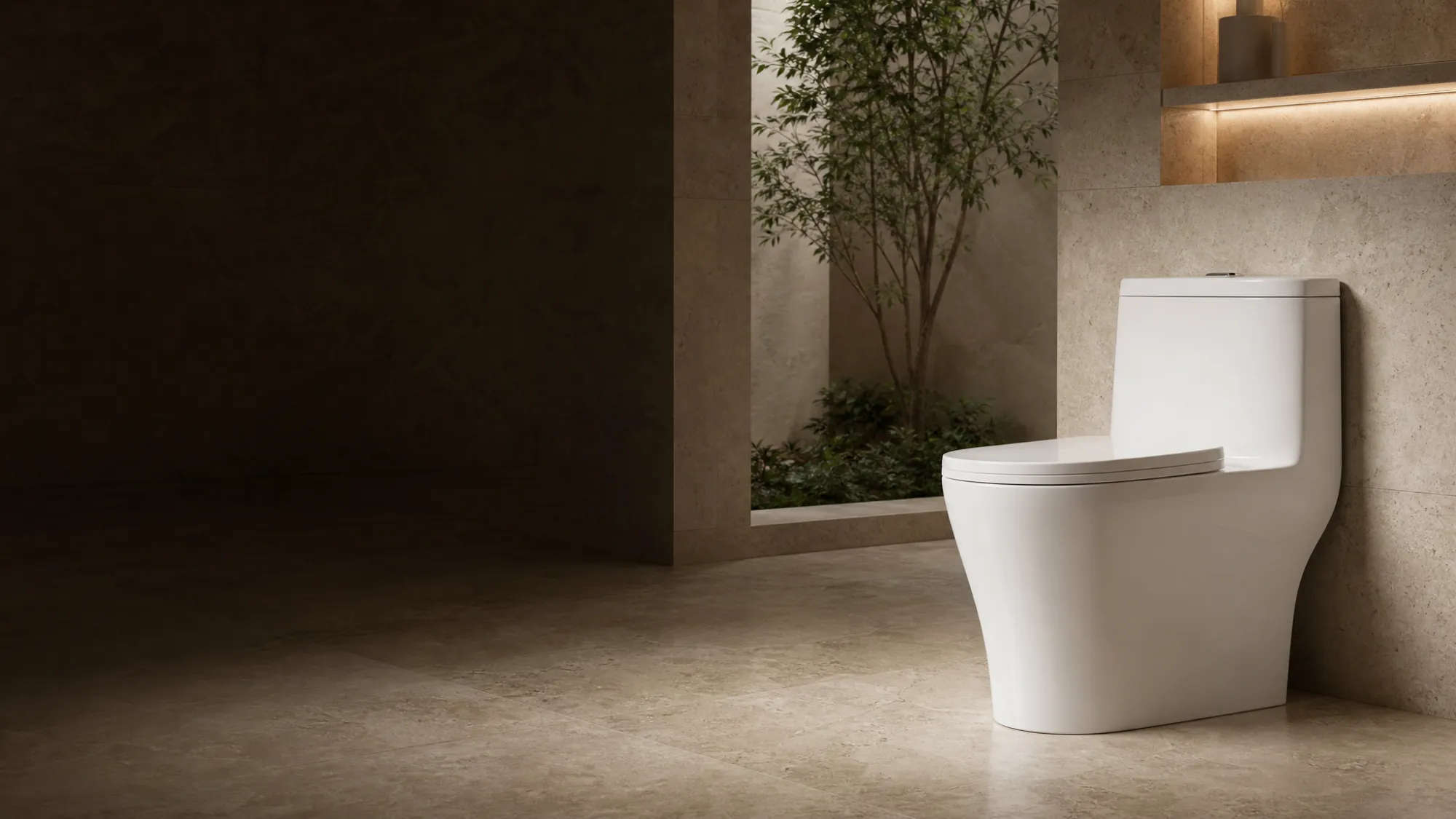
MICAWA two-piece close-coupled ceramic toilet

Two Piece Toilet Manufacturer & Wholesale Supplier

MICAWA is a two-piece toilet manufacturer based in Foshan, China, supplying close-coupled ceramic toilets for distributors, bathroom brands and project buyers. The current range uses siphon jet flushing with 300 mm and 400 mm rough-in, a crystal-white vitrified ceramic body and a PP standard seat, with OEM branding and packaging support.

Close-Coupled Two-Piece FormatSiphon Jet Flush300 / 400 mm Rough-InOEM / Private Label

Current product range

Two-Piece Toilet Collection

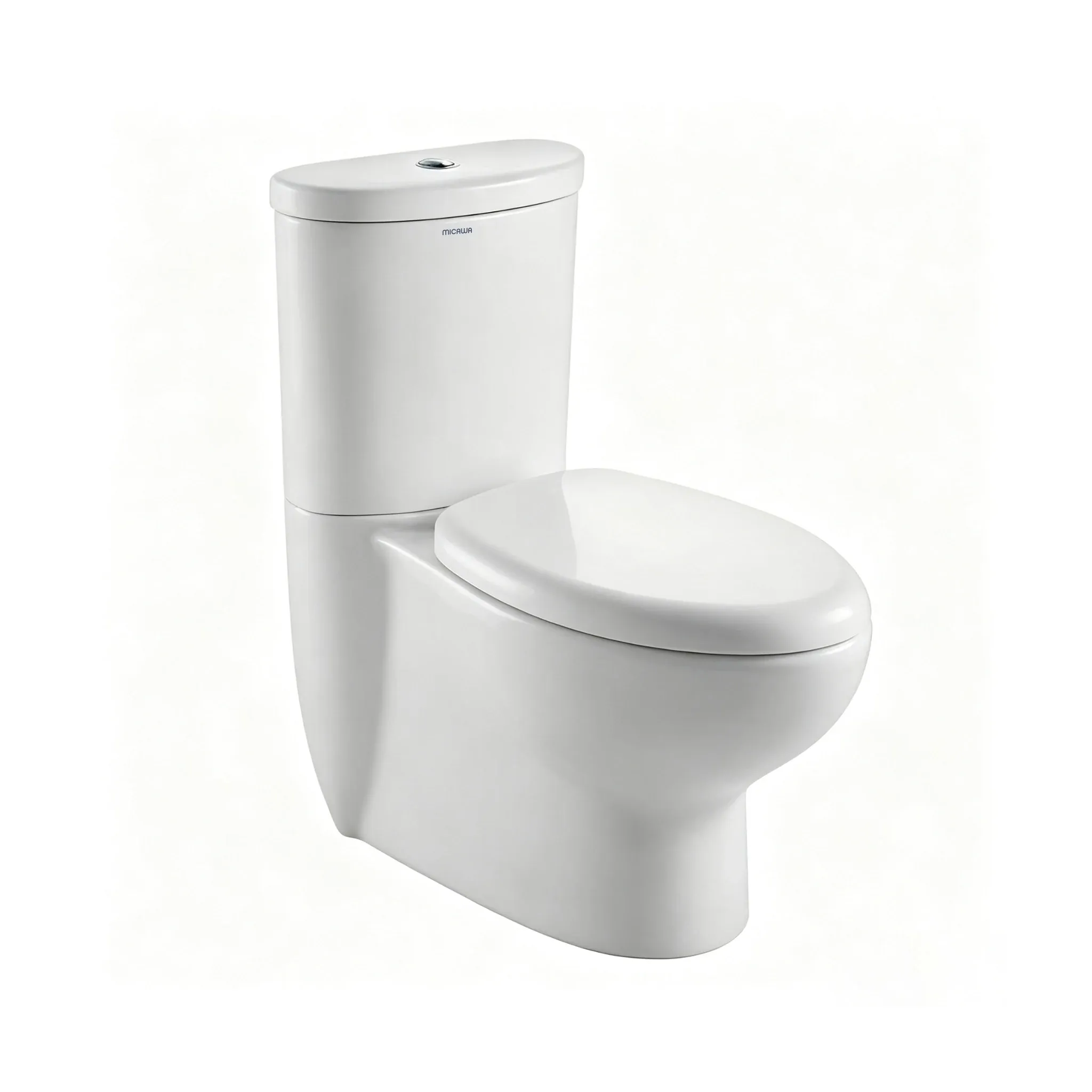
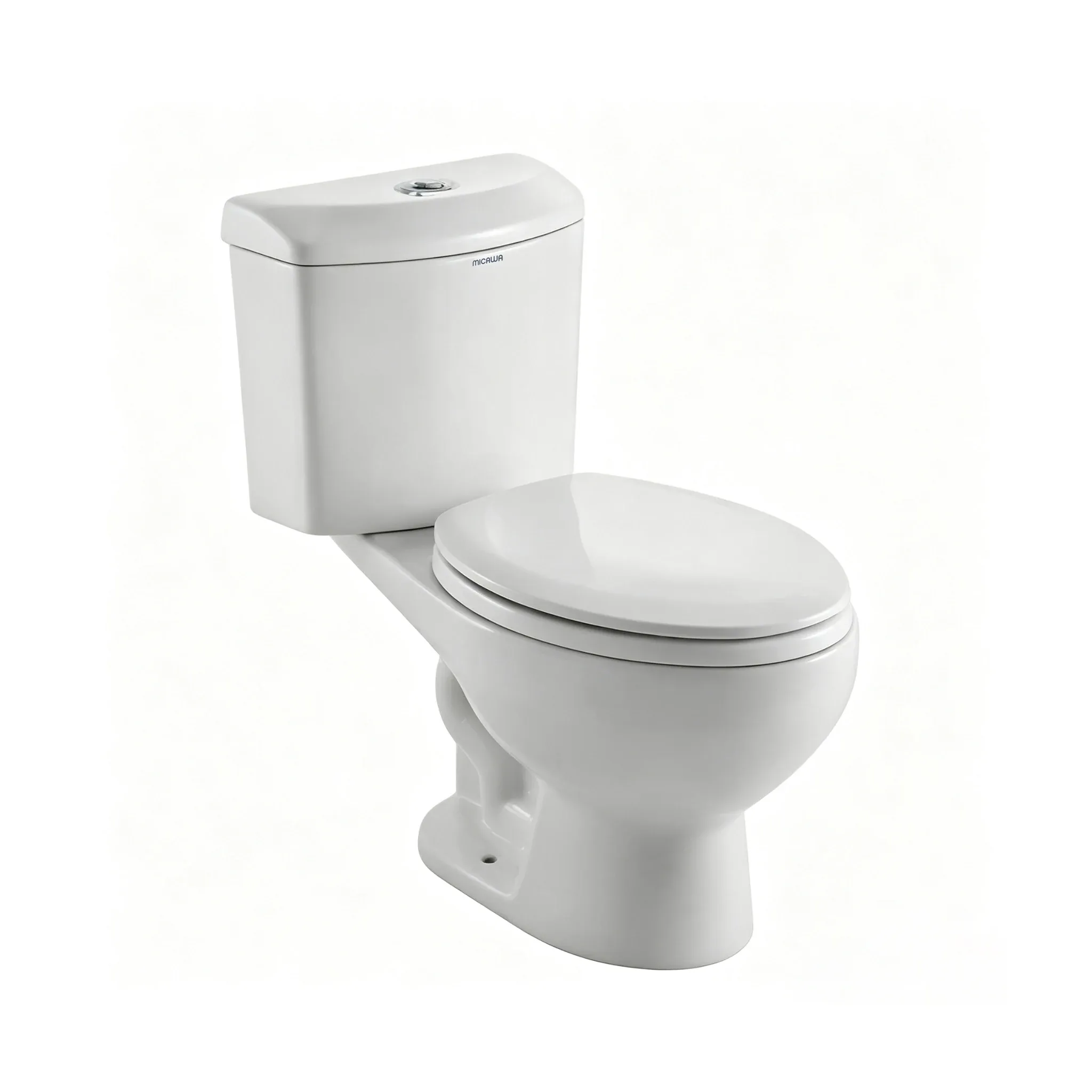
Compare MICAWA two-piece toilets by dimensions, rough-in and outlet configuration. The close-coupled format separates bowl and cistern, which keeps replacement and freight handling straightforward — the practical reason it stays the default specification for rental, residential and volume hospitality bathrooms.

Buyer selection guide

How to Choose a Two-Piece Toilet for Your Market

A two-piece toilet is decided by the drainage drawing first and the specification second. Work through these steps to shortlist a model before requesting samples or a quotation.

Selection StepWhat to ConfirmWhy It Matters
1. Rough-in and outlet300 mm or 400 mm floor rough-in, or the H180 mm wall outlet on MB-2803; the outlet type on the drainage drawingThe rough-in is measured from the finished wall to the waste centre. Getting it wrong is the most common cause of a returned or unusable toilet on site.
2. Behind-bowl clearanceTotal depth and the space needed behind the bowl for the cistern, plus service access to the inlet valveA close-coupled cistern sits directly on the bowl, so a deep back face may not clear a narrow bathroom or a fitted vanity run.
3. Overall height and lid clearanceThe 800 mm height of MB-2803 versus the 725 mm height of MB-2804; clearance above the cistern lidHeight affects both visual line in the bathroom and whether the cistern lid can be lifted for servicing.
4. Flush and inlet arrangementSiphon jet flush configuration, flush volume, inlet position and the flush fitting suppliedThese details drive flushing performance, noise level and local water-use expectations, and they vary by model.
5. Seat specificationPP standard seat or an upgraded seat, plus hinge type and any soft-close requirementThe seat is often the first component a retail customer compares, and it is the easiest item to change without altering the ceramic body.
6. Market compliance and channelDestination country, required standard, labelling rules, and whether the route is distribution, showroom retail or a project scheduleCompliance is model- and market-specific, and the channel determines price tier, packaging level and replenishment pattern.
7. Supply and brandingEstimated quantity, MOQ, sample requirement, logo, carton print and delivery targetThese inputs decide whether an existing model, a private-label modification or a new two-mould ceramic development is the right route.

Manufacturing & technical advantages

Two-Piece Toilet Manufacturing Built for Consistent Supply

From ceramic forming and high-temperature firing to siphon jet flushing validation and packing, MICAWA aligns the production process with the details that decide whether a close-coupled toilet installs cleanly and repeats batch after batch.

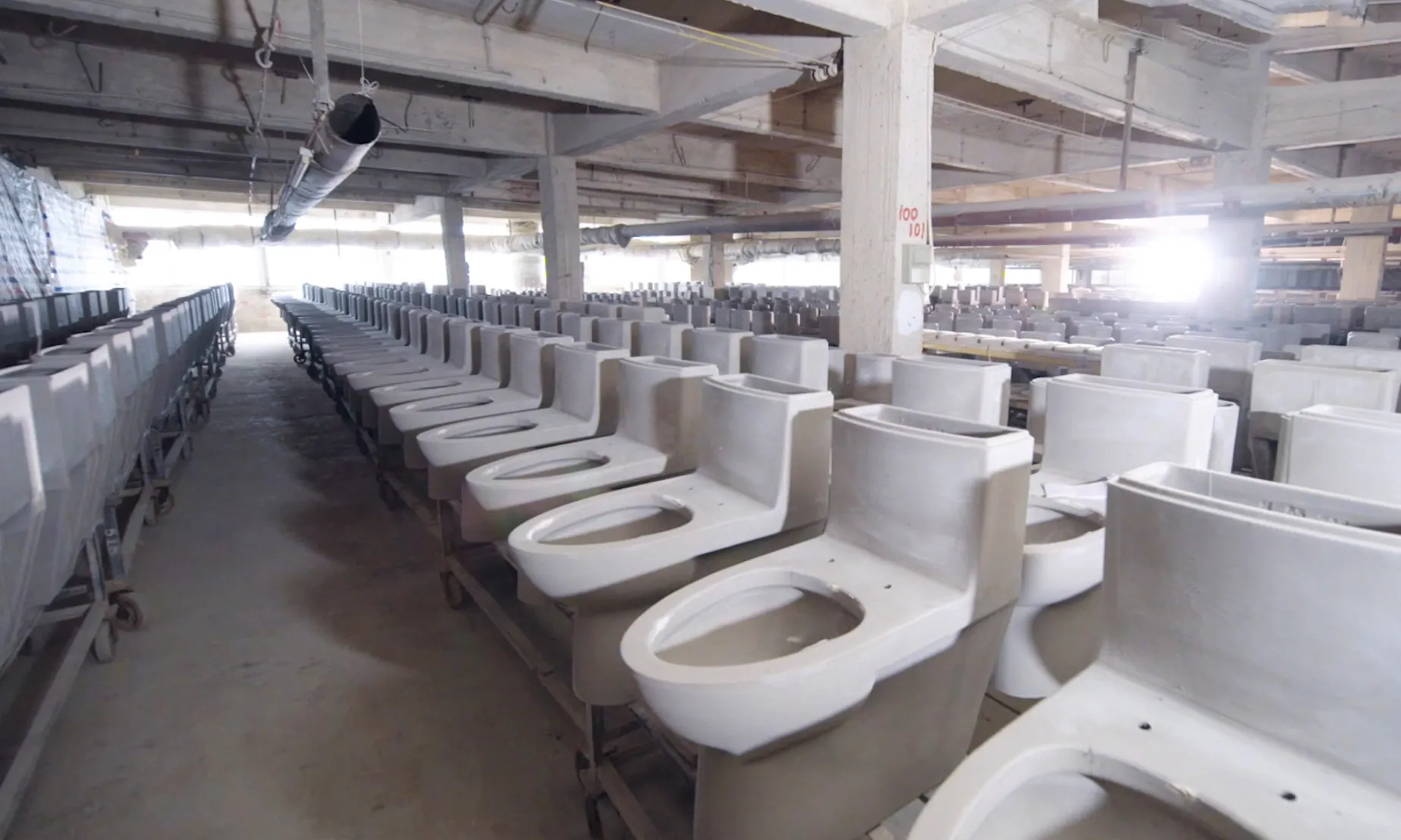
MICAWA ceramic sanitary ware production line
Ceramic Body & FiringThe bowl and cistern are moulded and fired as two separate ceramic parts. High-temperature firing produces a dense, vitrified body, and dimensional checks on both parts control how consistently the cistern seats onto the bowl across production batches.
Glaze and Surface FinishGlaze coverage, crystal-white colour consistency, pinholes, cracks and visible surface defects are reviewed before finished products are released. The glaze is self-cleaning, which matters on the bowl face where daily use shows first.
Siphon Jet FlushingBoth listed models use a siphon jet flush, where a directed jet initiates the siphon and draws the contents through the trapway. This format is generally quieter than a wash-down flush, which is why hospitality and residential buyers specify it. Flush volume and internal components are confirmed per model.
Installation CompatibilityModel data records dimensions, outlet type and the 300 mm or 400 mm rough-in options, so a buyer can check the toilet against the plumbing layout before approving a sample. MB-2803 additionally covers an H180 mm wall outlet.

Production for repeatable assortments

Because the bowl and cistern are separate parts, a two-piece programme can be extended — a different cistern or seat — without retooling the whole toilet. That flexibility supports replenishment while keeping the ceramic bodies consistent.

Coordination for bathroom programs

As part of a wider bathroom manufacturing system, MICAWA can coordinate two-piece toilets with other sanitary ware, furniture and fitting requirements when a project needs a broader supply scope.

Technical confirmation before approval

Specifications and test results vary by model. Buyers should confirm the current technical sheet, installation drawing, water-use data, seat specification and included fittings before sample or production approval.

Manufacturing details, available configurations and test results are model-specific. Request the latest technical documents for your target market and order.

Quality control & testing

Quality Control Starts Before Production

A certificate alone does not determine whether a toilet is right for a market or project. MICAWA aligns the quality plan with the exact model, technical specification, application and destination requirements.

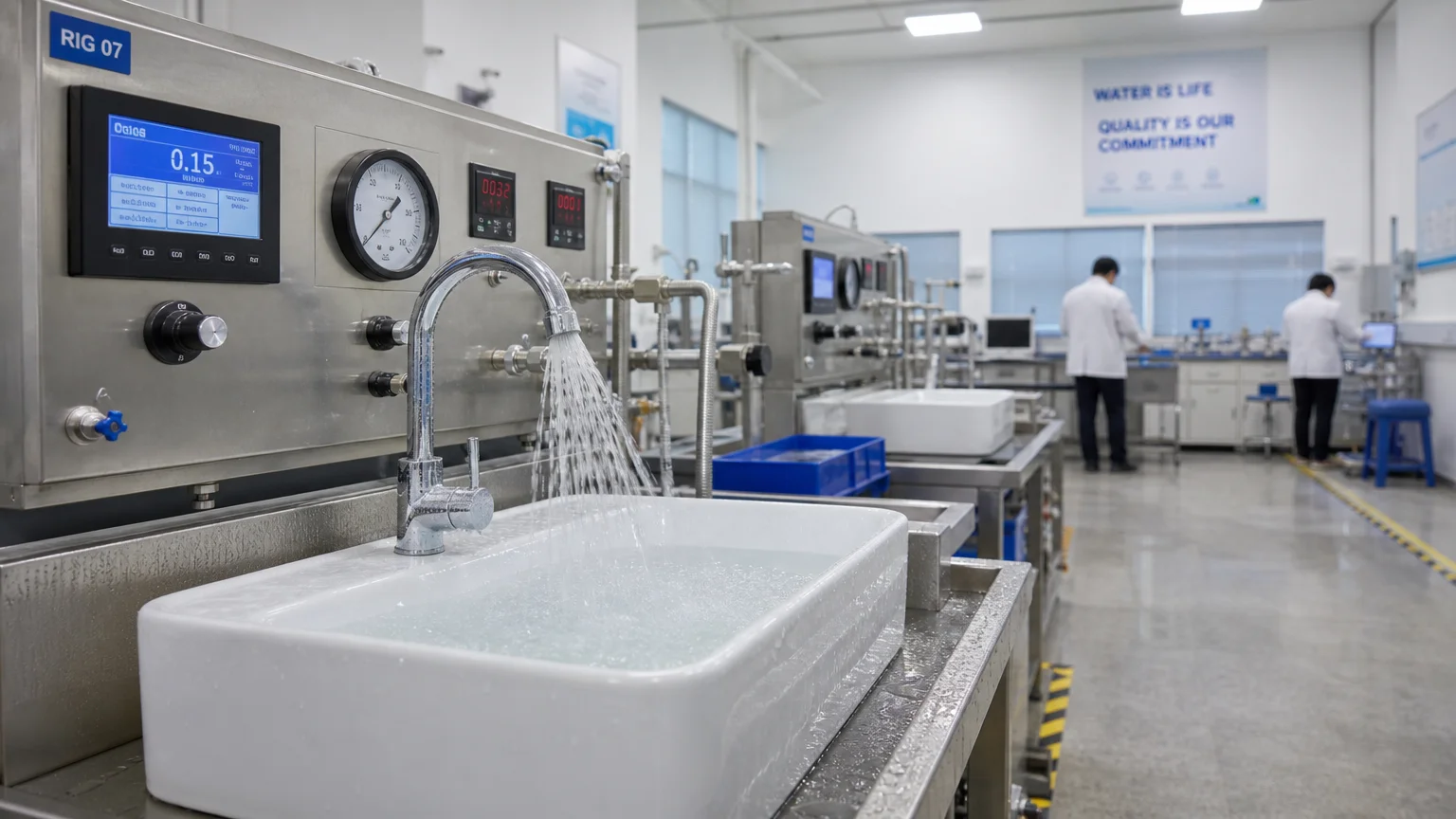
MICAWA product testing laboratory

Product-relevant testing

Sanitary-ware checks can include water retention, leakage, flushing performance, dimensions and appearance review. A close-coupled toilet adds a joint to verify — the cistern-to-bowl seal and its fixings are part of the assembly check. Test conditions and acceptance criteria are confirmed for the selected model and market.

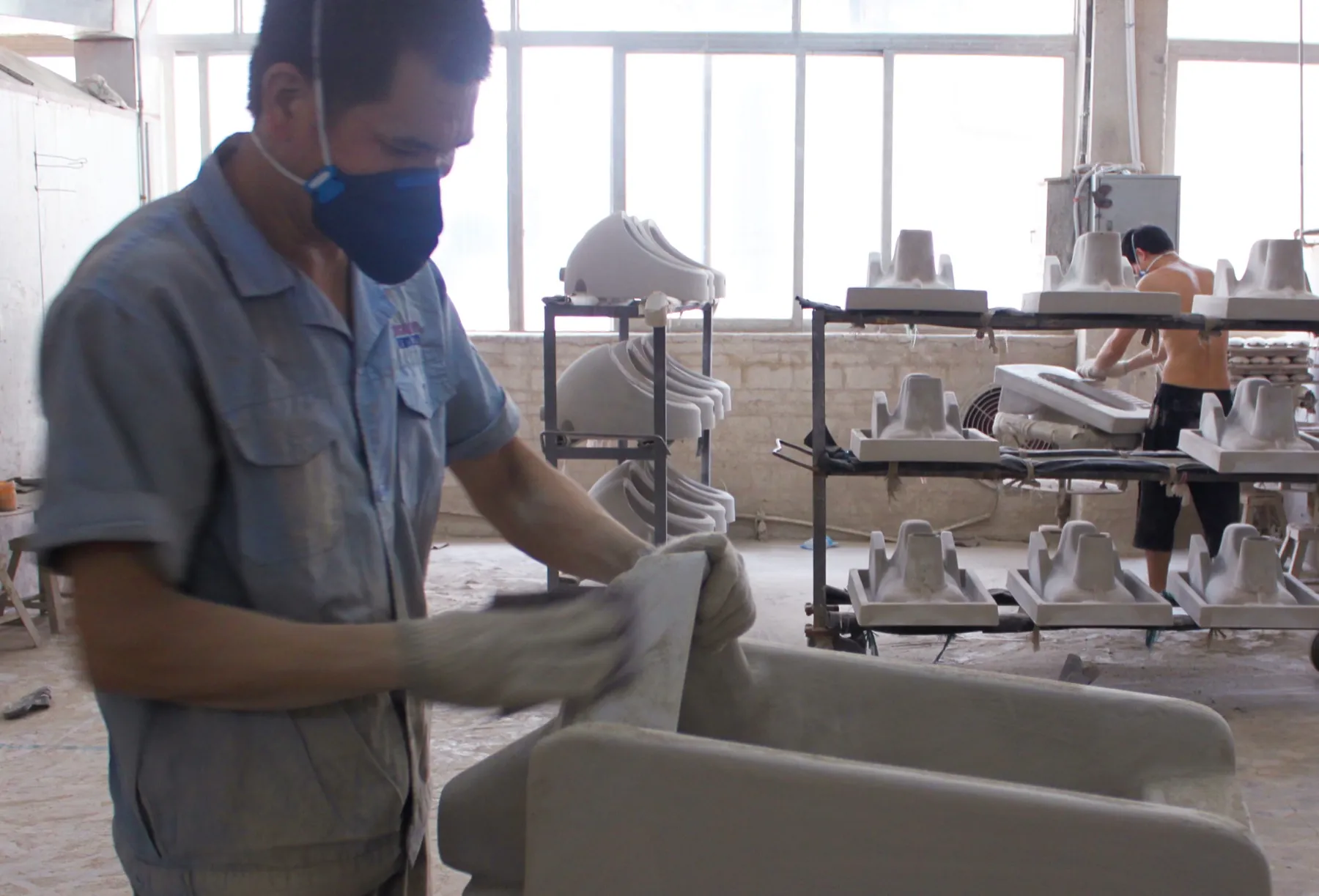
MICAWA worker inspecting ceramic sanitary ware

Ceramic finish inspection

Both the bowl and the cistern are reviewed for glaze coverage, colour consistency, pinholes, cracks, deformation and other visible defects before approved products move to packing. Matching the two parts visually matters more on a two-piece toilet because the joint line is visible in the finished bathroom.

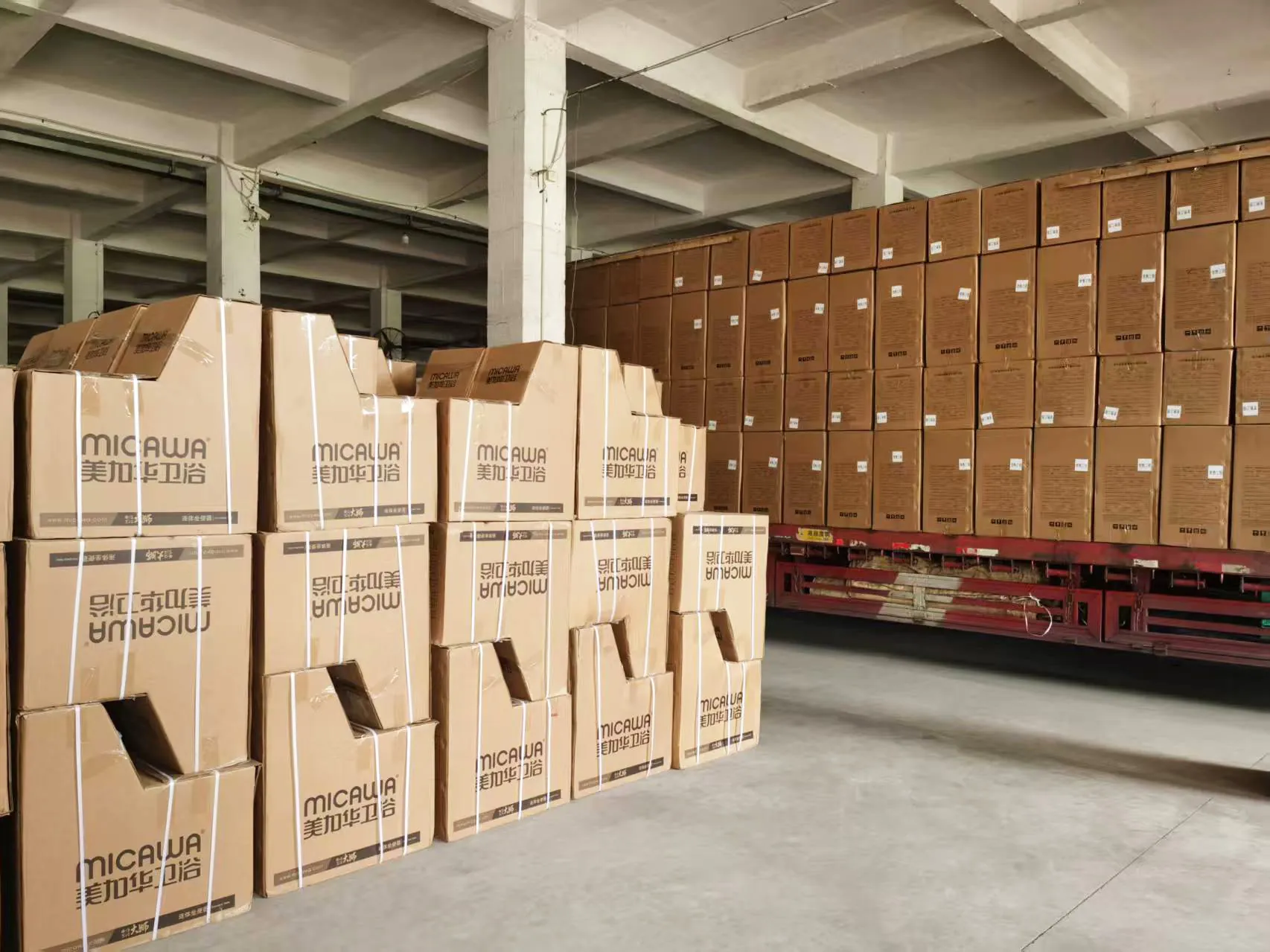
Packed bathroom products in MICAWA warehouse

Packaging and shipment checks

Model labels, seat, fittings, cartons, protective materials and packing quantities are checked against the approved order. Because bowl and cistern ship as separate ceramic pieces, their individual protection is verified before shipment preparation.

From requirement to shipment

The exact inspection plan is agreed according to product and order requirements. Buyers can provide their own acceptance criteria or arrange third-party inspection before production is released.

  1. 01Requirement review

    Confirm model, drawings, market standards, appearance criteria and application.

  2. 02Sample validation

    Review dimensions, rough-in, cistern-to-bowl fit, flushing behaviour, finish and fittings.

  3. 03Production-stage inspection

    Monitor forming, firing, glazing and assembly before final packing.

  4. 04Final and packing inspection

    Check finished quality, seat, fittings, labels and carton protection.

  5. 05Document and shipment release

    Provide agreed quality information and prepare the confirmed quantity for delivery.

Scope matters.ISO 9001 and ISO 14001 describe management systems, not product certification. Any product certificate, test report or destination-market approval must match the exact model and configuration being purchased.

Wholesale, project supply & OEM

Two-Piece Toilet Supply Structured Around Your Buying Model

MICAWA supports factory-direct supply for importers, distributors, bathroom brands and project buyers. The commercial route is confirmed by model, quantity, destination market, packaging and customization scope.

MOQCompany-supplied reference is 100 sets; confirm whether the requirement is per model, colour or total order.
SampleAvailable for selected models, normally shipped as a packed bowl and cistern with the seat and fittings. Confirm sample cost, configuration and destination shipping before approval.
PackagingCartons and wooden-frame protection can be discussed according to model, loading plan and project handling requirements. Bowl and cistern are protected as separate ceramic pieces.
Technical documentsRequest the current specification sheet, dimensions, installation drawing, component list, seat specification and applicable quality documents for the selected model.
Lead time & deliveryConfirmed after model, quantity, packaging, inspection requirements and delivery destination are finalized.

OEM / ODM route

From Existing Model to Private-Label Product

Choose the shortest route that matches your product ambition. Customising an existing two-piece body with your logo, carton and seat is the fastest route to launch. A new ceramic shape requires an engineering review and two moulds — one for the bowl, one for the cistern — so tooling and sampling are discussed before any launch date is agreed.

Model selectionLogo and markCarton and labelsInstallation manualSeat specificationFlush inlet componentsNew two-mould review

How a wholesale or project order moves forward

  1. 01Share the brief

    Send target market, application, quantity, rough-in, certification and delivery requirements.

  2. 02Shortlist models

    Match dimensions, outlet, flush configuration, seat, price tier and packaging to the programme.

  3. 03Approve sample

    Confirm appearance, cistern-to-bowl fit, installation interface, fittings, documents and any private-label details.

  4. 04Release production

    Lock the approved specification, inspection plan, packaging and order quantity.

  5. 05Inspect and ship

    Complete agreed checks, prepare cartons and coordinate shipment documentation.

Buyer questions

Two-Piece Toilet FAQ

Answers focused on actual sourcing questions — rough-in, flushing, samples, certification and private label — rather than consumer maintenance topics.

What is a two-piece toilet?

A two-piece toilet — also called a close-coupled toilet — is supplied as a separate ceramic bowl and cistern that are joined on site and secured with a gasket and fixings. Because the two ceramic parts are moulded and fired separately, the format usually costs less to buy and to replace than a one-piece body, and it remains the volume format for residential, rental and hospitality programmes in many markets.

Which rough-in distances are available for MICAWA two-piece toilets?

The current two-piece range covers 300 mm and 400 mm floor rough-in. Model MB-2803 also supports an H180 mm wall-outlet arrangement, while MB-2804 is floor outlet only. Rough-in must be checked against the drainage drawing for the specific bathroom, not against a generic market assumption, before the model is locked for a project.

What flushing system do MICAWA two-piece toilets use?

Both listed models — MB-2803 and MB-2804 — use a siphon jet flush, in which a jet of water is directed into the trapway to start the siphon and pull the contents through. Siphon jet flushing is generally quieter than a wash-down flush and is the format buyers request for hospitality and residential interiors. Flush volume, inlet valve and flush fitting should be confirmed on the technical sheet for the model being quoted.

Can I order a sample two-piece toilet before placing a bulk order?

Yes, samples are available for selected models. A two-piece sample is normally shipped as a packed bowl and cistern with the seat and fittings so the buyer can check ceramic finish, moulding and the assembly. Confirm the sample model, configuration, cost and destination address so shipping and any required documentation can be arranged.

Which certifications can be supplied for my market?

Certification and test-documentation scope depends on the exact model and the destination market, so it is reviewed per order rather than assumed. Send the target country and the standard your importer or specifier requires — for example a water-efficiency limit, a mechanical test protocol or a labelling rule — and the applicable documentation for that model and configuration can be checked. Company-level ISO 9001 and ISO 14001 relate to management systems and are not a substitute for product approval.

Does MICAWA offer OEM and private-label two-piece toilets?

Yes. For an existing model the private-label route usually covers the buyer logo and mark, carton print and shipping marks, label and instruction manual, and selected fittings such as the seat or flush valve. A new ceramic body requires a separate engineering and tooling review because a two-piece model involves two moulds — bowl and cistern — so the development scope is agreed before sampling.

What is the MOQ for wholesale two-piece toilets?

The company reference for MOQ is 100 sets. Confirm whether that figure applies per model, per colour or to the combined order, because a mixed-two-model programme is treated differently from a single-model repeat order. Carton configuration and loading plan are agreed at the same time as the quantity.

What information should I send for a two-piece toilet quotation?

Send the target model or preferred style, the rough-in distance and outlet type from the project drawing, the required seat specification, the destination market and any certification requirement, the estimated quantity, and whether OEM branding, custom cartons or custom packaging are needed. Project buyers should also state the room count and delivery phases so the supply plan can be matched to the build programme.

B2B RFQ

Request a Two Piece Toilet Quote

Tell us your target market, preferred model, rough-in and quantity so the quotation can be matched to the correct configuration.

Mobile / WhatsApp

Need Help Selecting Two-Piece Toilet Models?

Send us your target market, rough-in and expected order quantity. Our team can help shortlist suitable models for your sourcing program.

Request Model Recommendations →

We use only necessary browser storage to remember privacy preferences and support core site functions.