Project Brief
| Campus Environment | Planning Challenge | Product Range |
|---|---|---|
| Teaching, public, office and residential facilities | Different buildings with one facility-management system | Toilets, urinals, basins, faucets, cisterns and sensors |
A University Campus Operates like a Small City
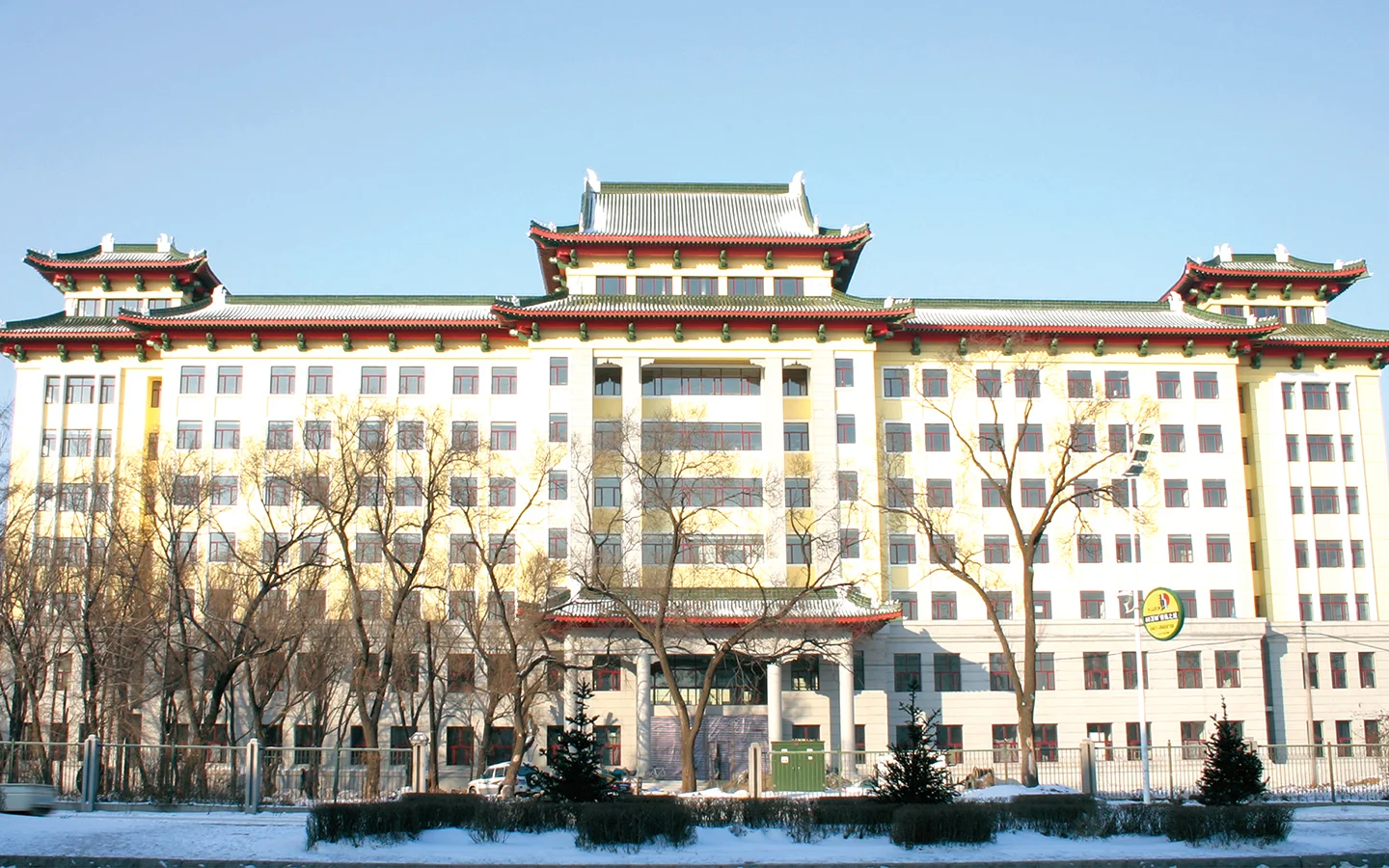
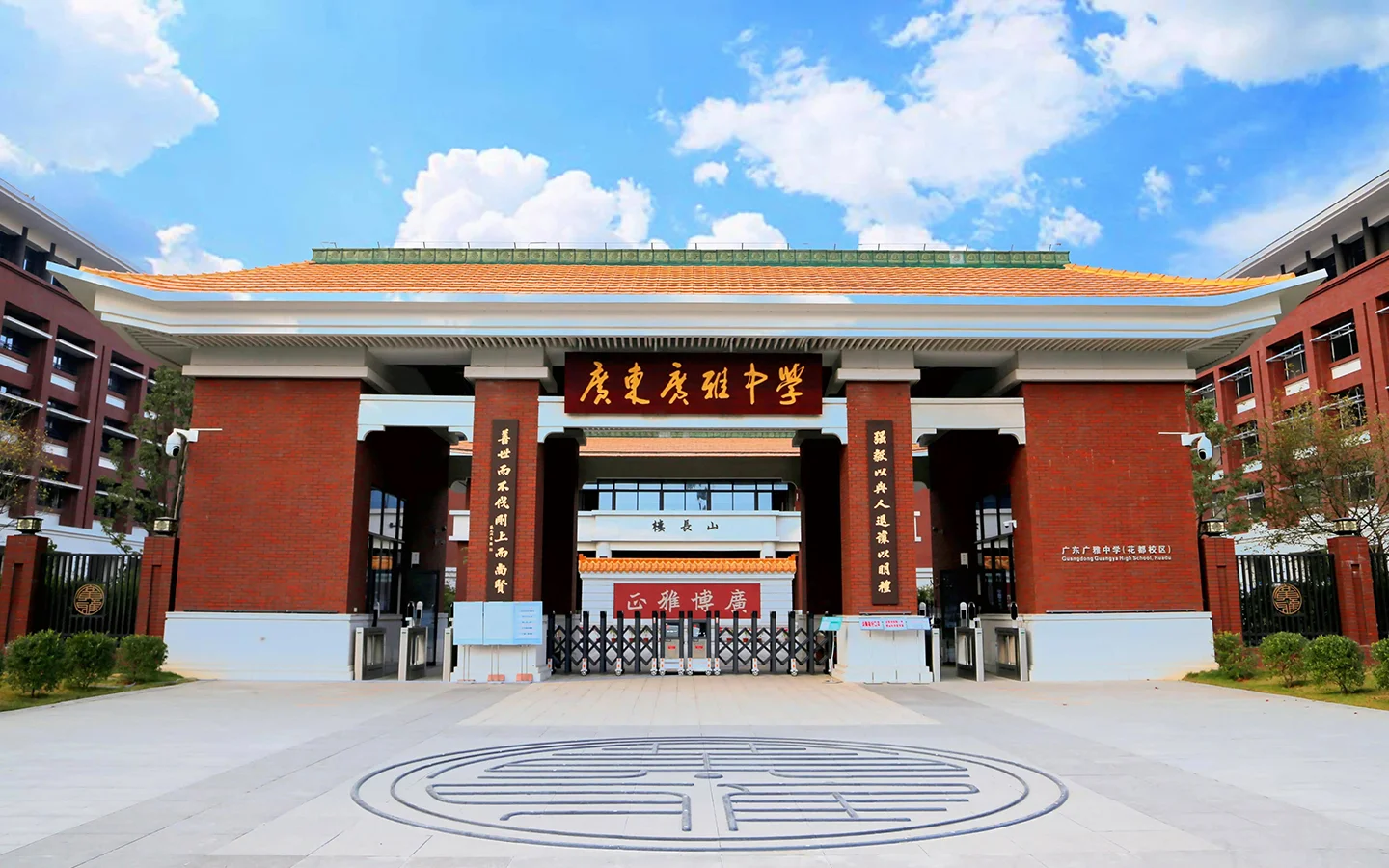
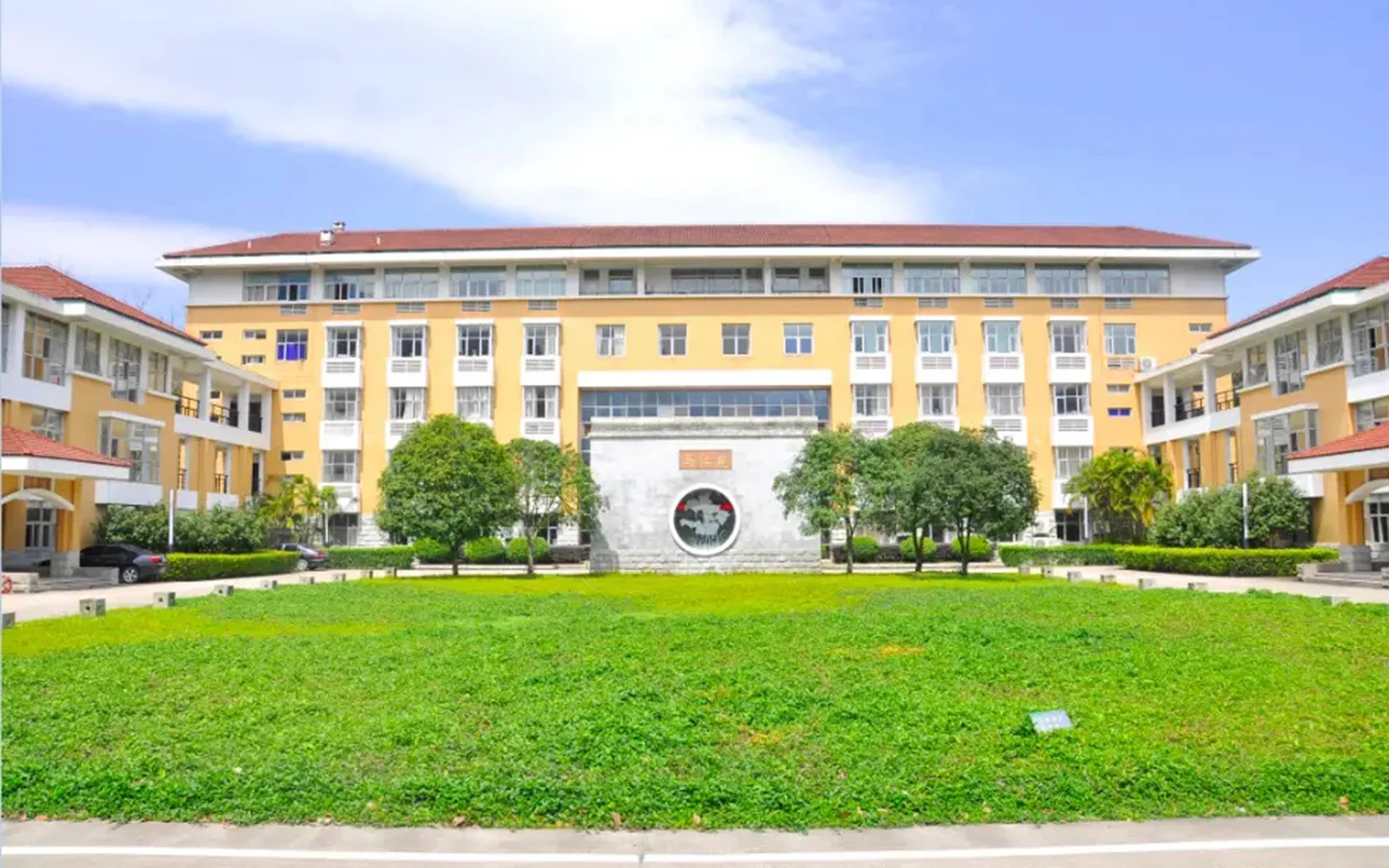
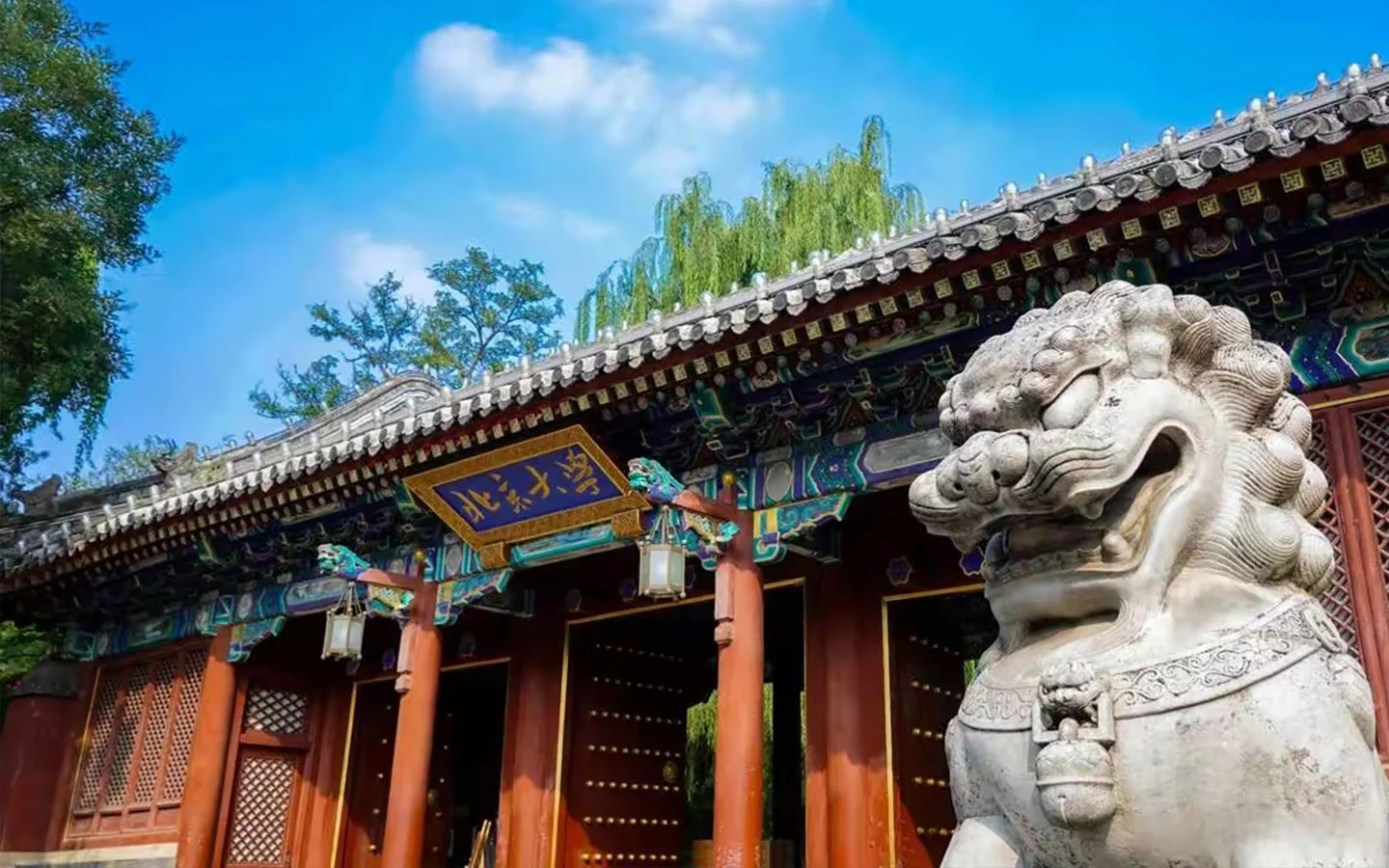
Peking University contains far more than classrooms. Libraries, offices, public buildings, sports facilities and student residences each create different patterns of washroom use.
The project required a sanitary ware strategy broad enough to serve those environments but controlled enough for campus facility teams to maintain over time.
The Challenge: Standardise without Treating Every Building the Same
Teaching buildings experience sharp demand between classes. Libraries and offices have steadier use. Residential facilities operate early in the morning and late at night. Public buildings receive visitors unfamiliar with the campus.
One universal bathroom package would not fit every application. An unlimited selection of models, however, would make replacement parts, maintenance training and future campus work more difficult.
Establishing a Campus Product Family
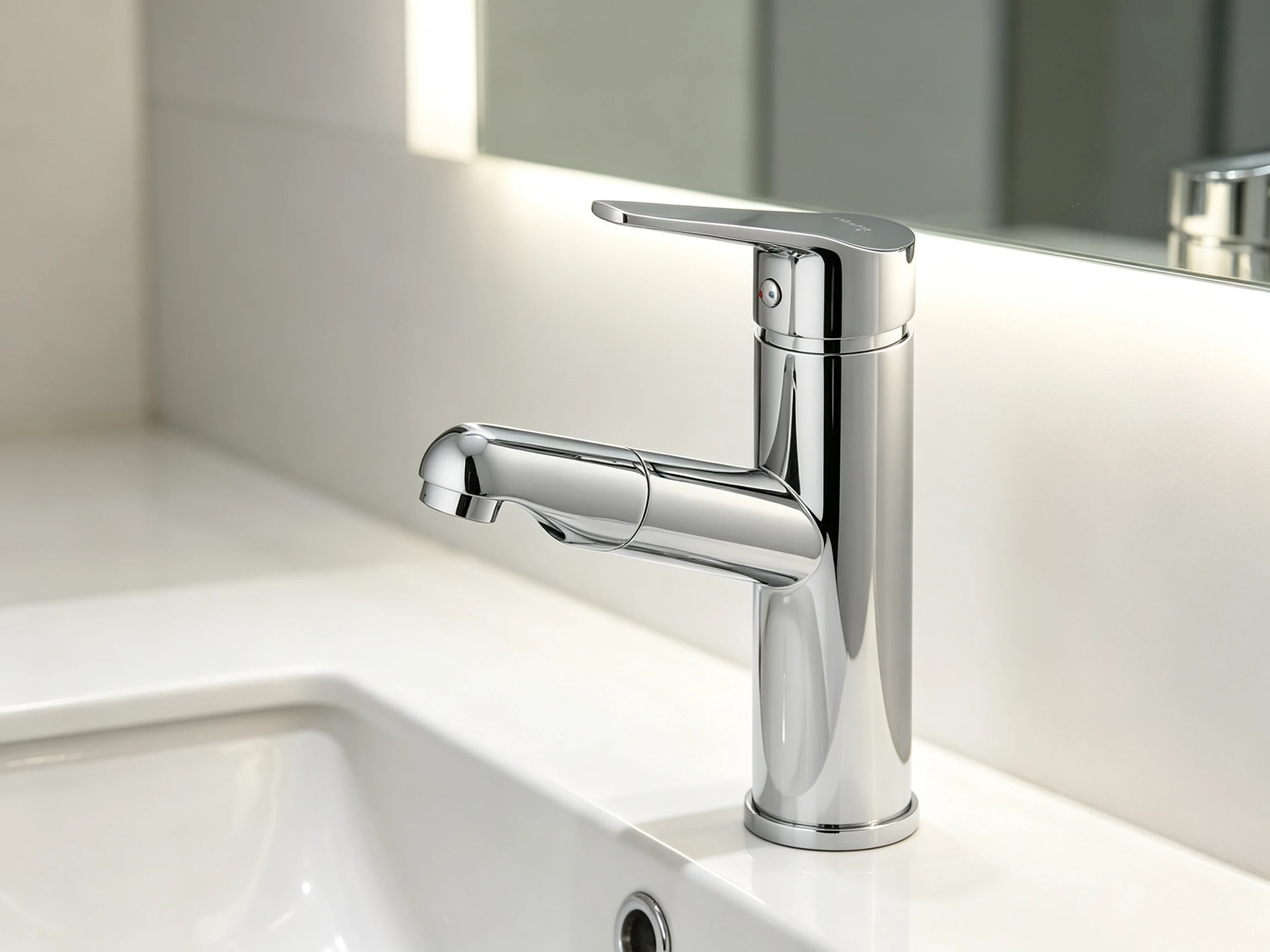
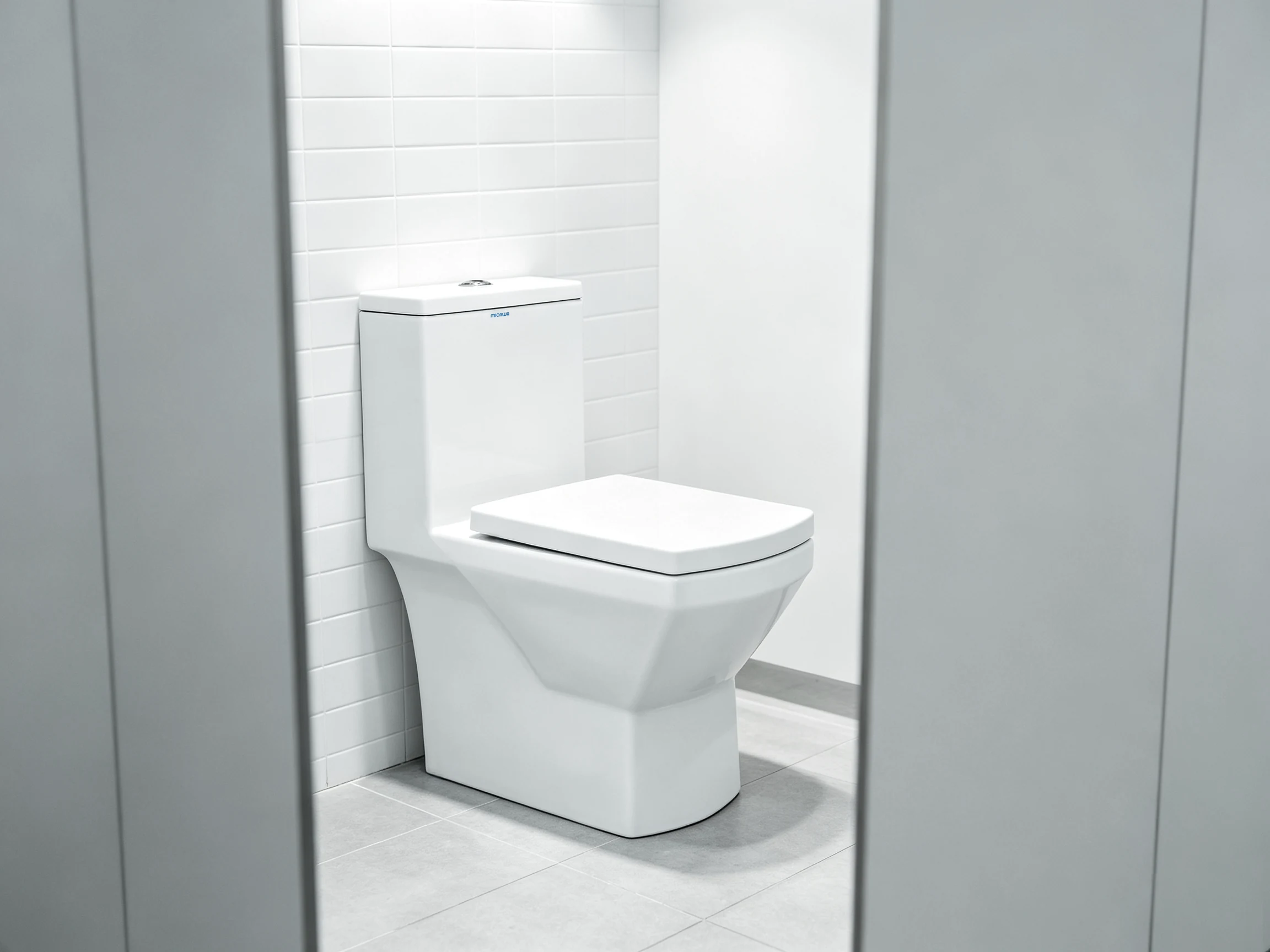
MICAWA organised toilets, squat toilets, urinals, basins, faucets, cisterns and sensor-operated fixtures into a controlled family.
Different buildings could receive the combination appropriate to their users while retaining familiar operating and maintenance principles. A teaching building might prioritise high-capacity sanitary fixtures. An office area could use a different arrangement from student residential facilities without introducing a completely separate product system.
The approach gave campus teams flexibility at the room level and consistency at the estate level.
Planning for Maintenance from the Beginning
University projects continue long after handover. Products need cleaning, repairs and eventual replacement while buildings remain in use.
By limiting unnecessary variation and keeping product information clear, MICAWA helped create a more manageable basis for facility operation. Samples and configurations were reviewed before production, and manufacturing followed the approved campus family.
Delivery support helped separate products by building or application, reducing confusion during installation.
The Result: A Flexible Standard for a Diverse Campus
Peking University demonstrates how educational facilities can balance standardisation with real application differences.
The campus did not need identical washrooms everywhere. It needed a product family that could adapt intelligently while remaining understandable to procurement, contractors and maintenance teams.
Planning Sanitary Ware across a University Campus?
Share your building types, user groups and fixture schedules with MICAWA. We can help create a controlled campus product strategy.