
Product & Collection Development
Develop new bathroom products or expand existing collections with project-specific specifications and configurations.
Turn a product brief, drawing, reference sample or market requirement into a production-ready bathroom product.
Different buyers start product development from different points. Some have a complete drawing, while others begin with a reference product, target price or market requirement.
MICAWA works with buyers to clarify the development scope before sampling and production preparation.
Develop new bathroom products or expand existing collections with project-specific specifications and configurations.
Adapt bathroom products to local market preferences, price positioning and product requirements.
Develop differentiated product collections for retail, distribution and private-label programs.
Review product adaptations based on drawings, technical requirements or application-specific needs.
Development requirements vary by product category. MICAWA combines product development support with manufacturing capabilities across multiple bathroom categories.
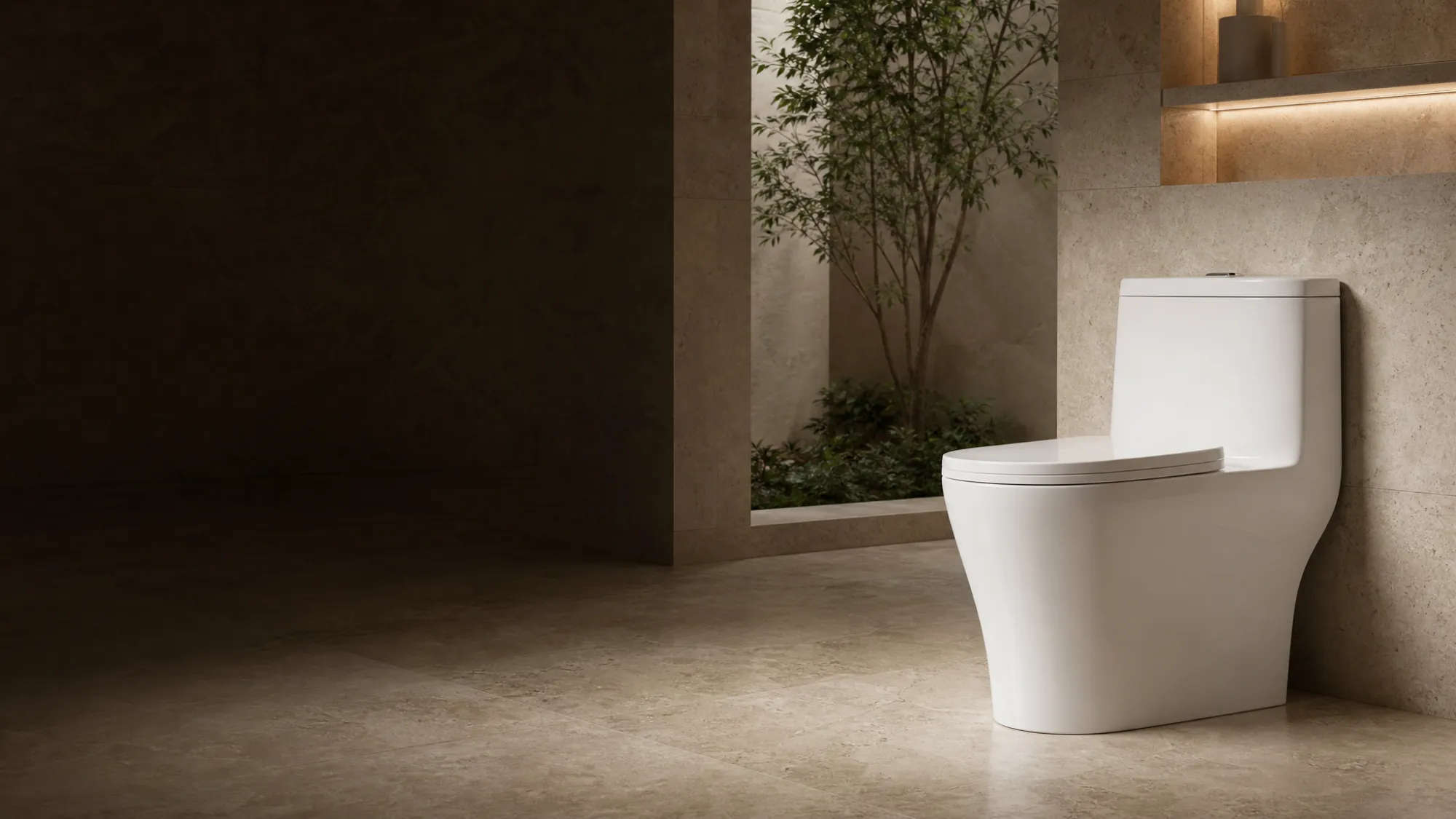
Toilets, basins and other ceramic sanitary products developed from drawings, reference samples, existing models or target requirements.
Development may involve
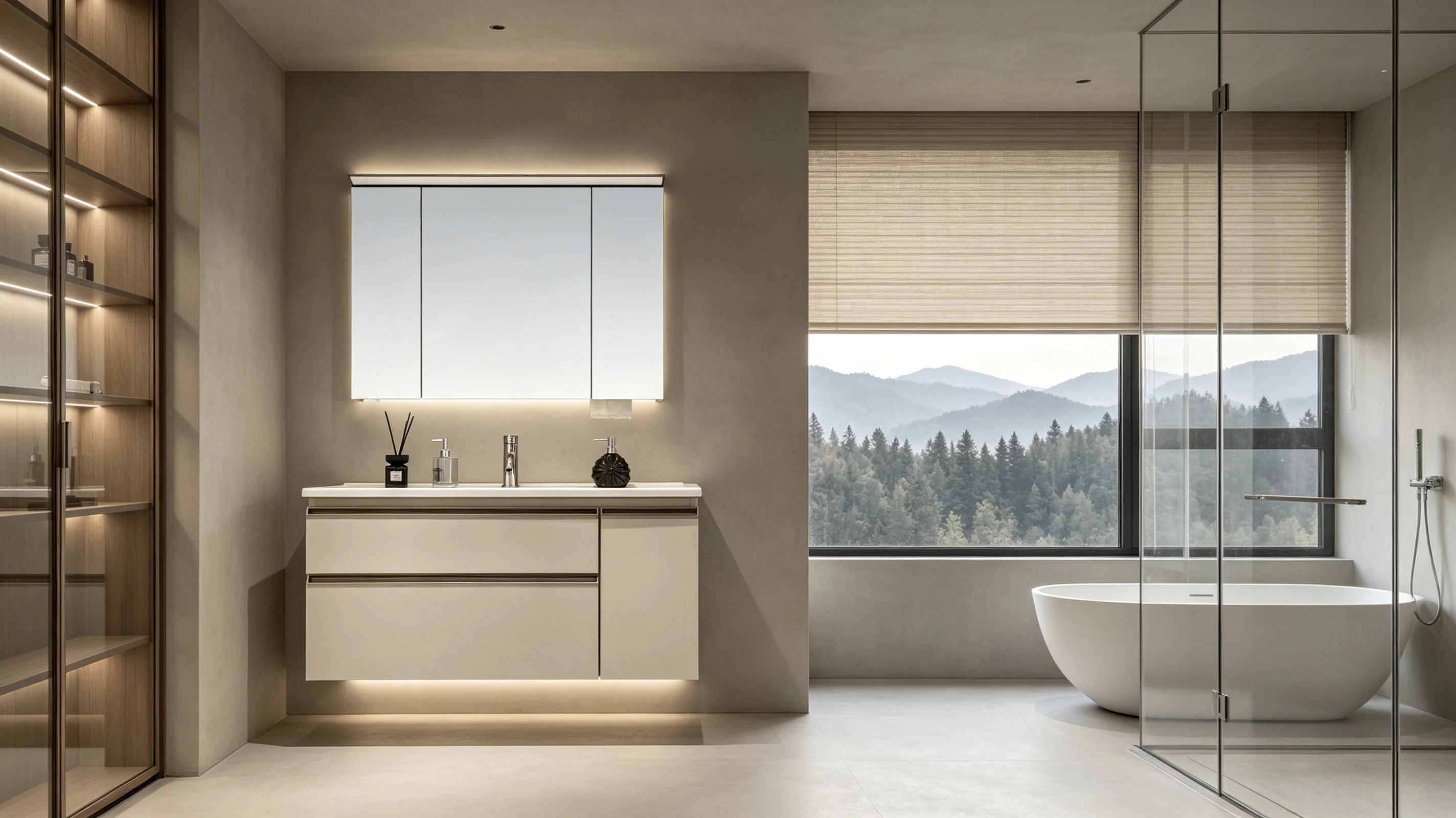
Bathroom vanities and cabinets developed around dimensions, cabinet configuration, basin matching, finishes and hardware requirements.
Development may involve
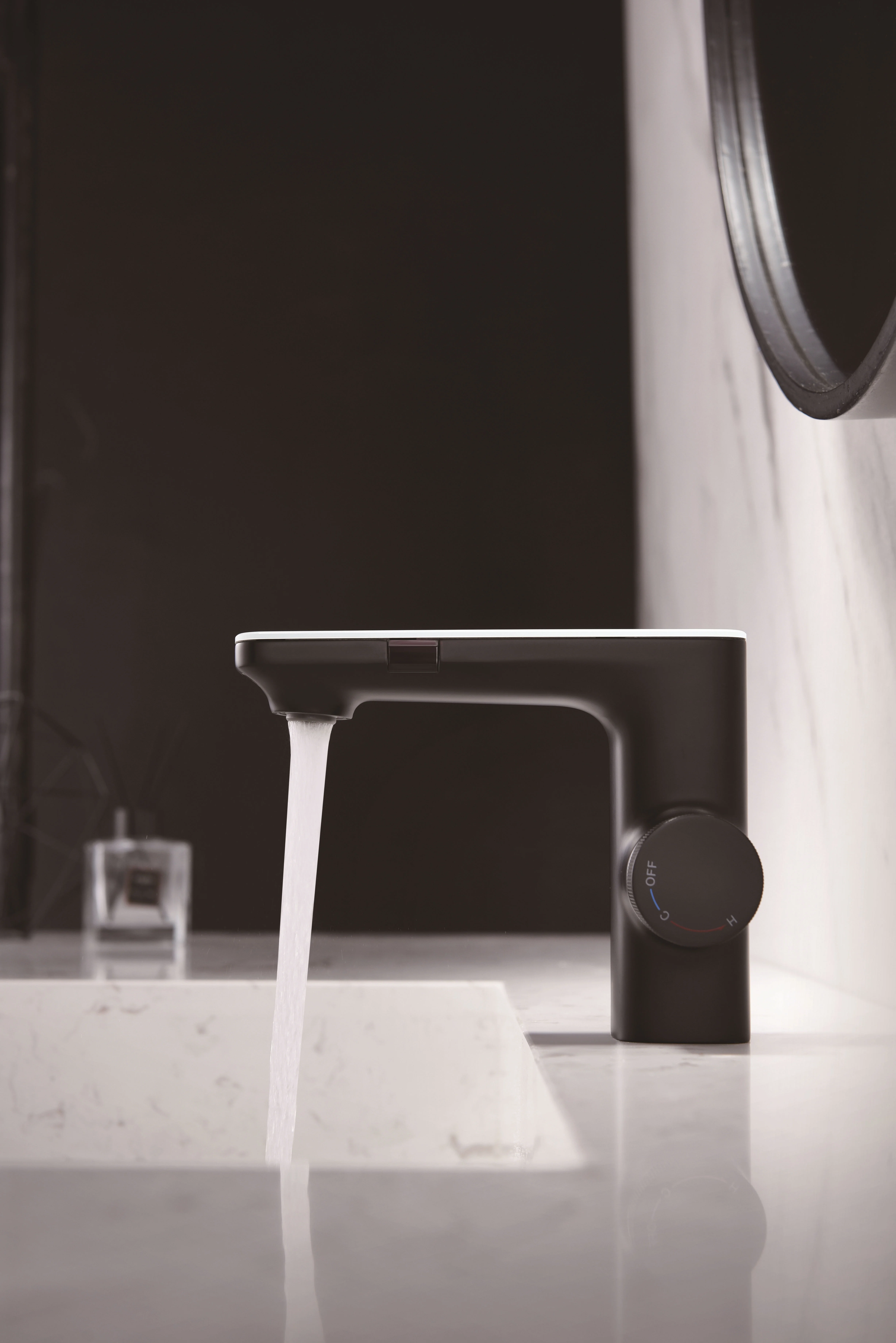
Faucet products developed according to product structure, material, machining, surface finish and target-market requirements.
Development may involve
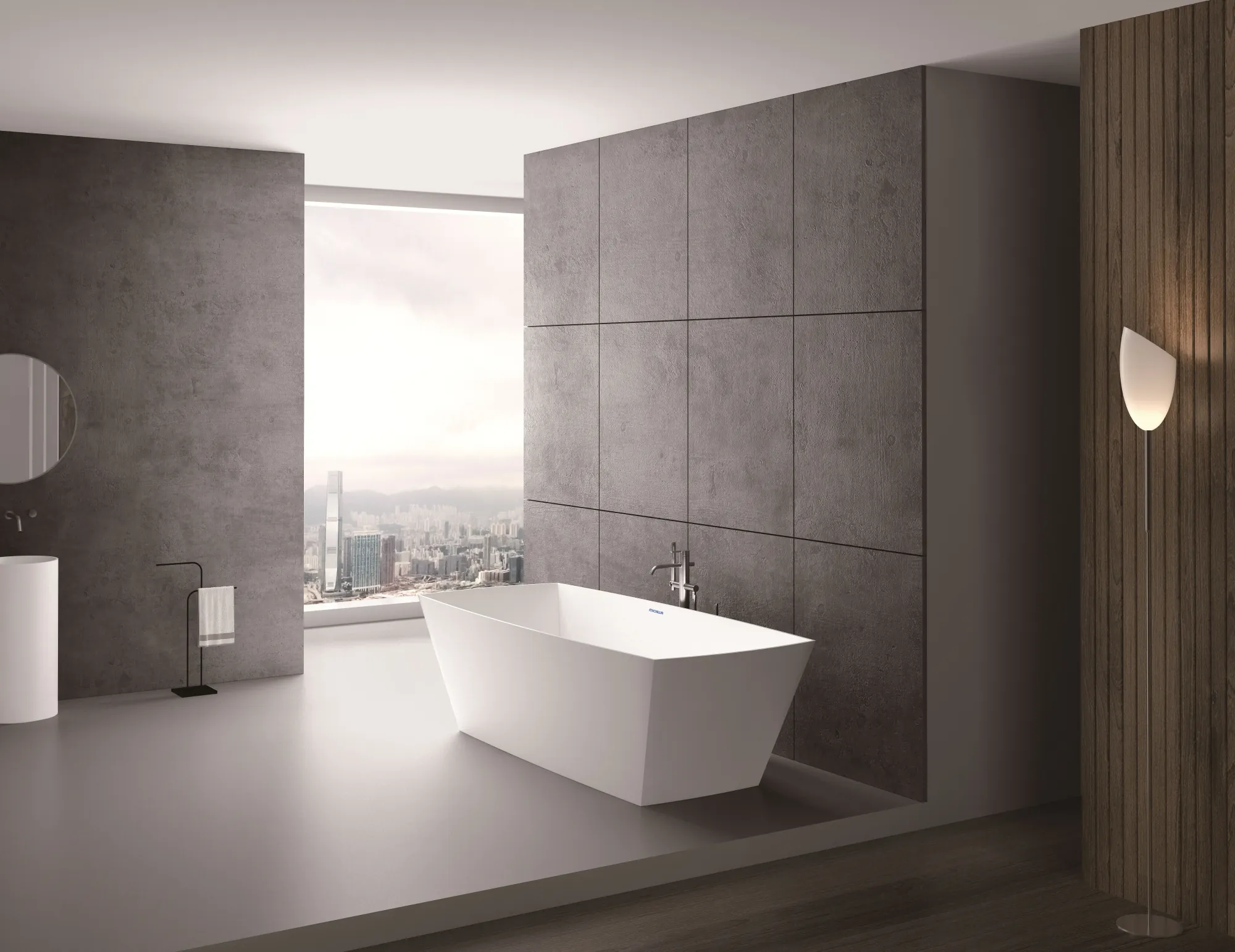
Bathtub development based on product dimensions, form, appearance and target application requirements.
Development may involve
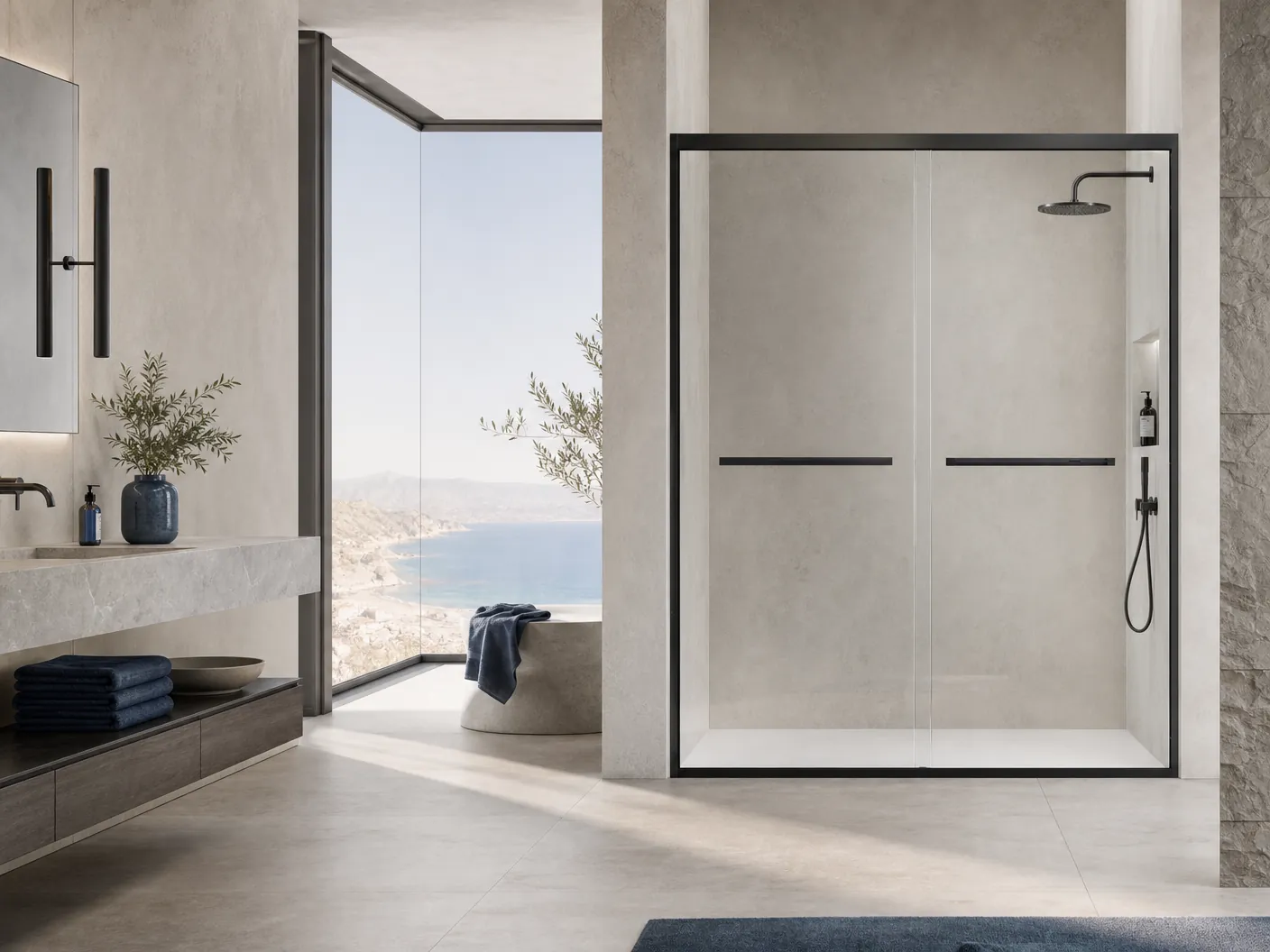
Shower-screen development based on dimensions, configuration, hardware coordination and installation requirements.
Development may involve
A clear development brief helps reduce unnecessary revisions and gives both sides a defined starting point for product evaluation.
You do not need to have every detail finalized before contacting us. Available information can be reviewed first, while missing specifications can be confirmed during the development process.
Tell us where the product will be sold and who the intended buyer is.
Useful information
Share the product category and the result you want to achieve.
Useful information
Provide known dimensions, functional requirements and installation conditions.
Useful information
Development can begin from different types of reference information.
You can provide
Estimated order quantity helps evaluate the most suitable manufacturing and tooling approach.
Tell us if the product must meet specific destination-market testing, certification or documentation requirements.
Download Development Brief ChecklistCustom bathroom product development is not a single-step quotation process. Product structure, samples, testing and manufacturing readiness should be confirmed before stable mass production.
Target market, reference materials, dimensions, product requirements and estimated quantities are reviewed.
Structure, dimensions, materials, finishes and key technical requirements are clarified.
A development sample or relevant prototype is prepared according to the agreed scope.
Appearance, dimensions and functions are reviewed; adjustments are made before final approval.
Molds, tooling, production parameters and specifications are prepared by category.
Final specifications, packaging and production conditions are confirmed before bulk manufacturing.
Different bathroom products require different development and validation processes. MICAWA supports development with dedicated product R&D, sample preparation and product testing resources, while key manufacturing processes are connected directly to production.
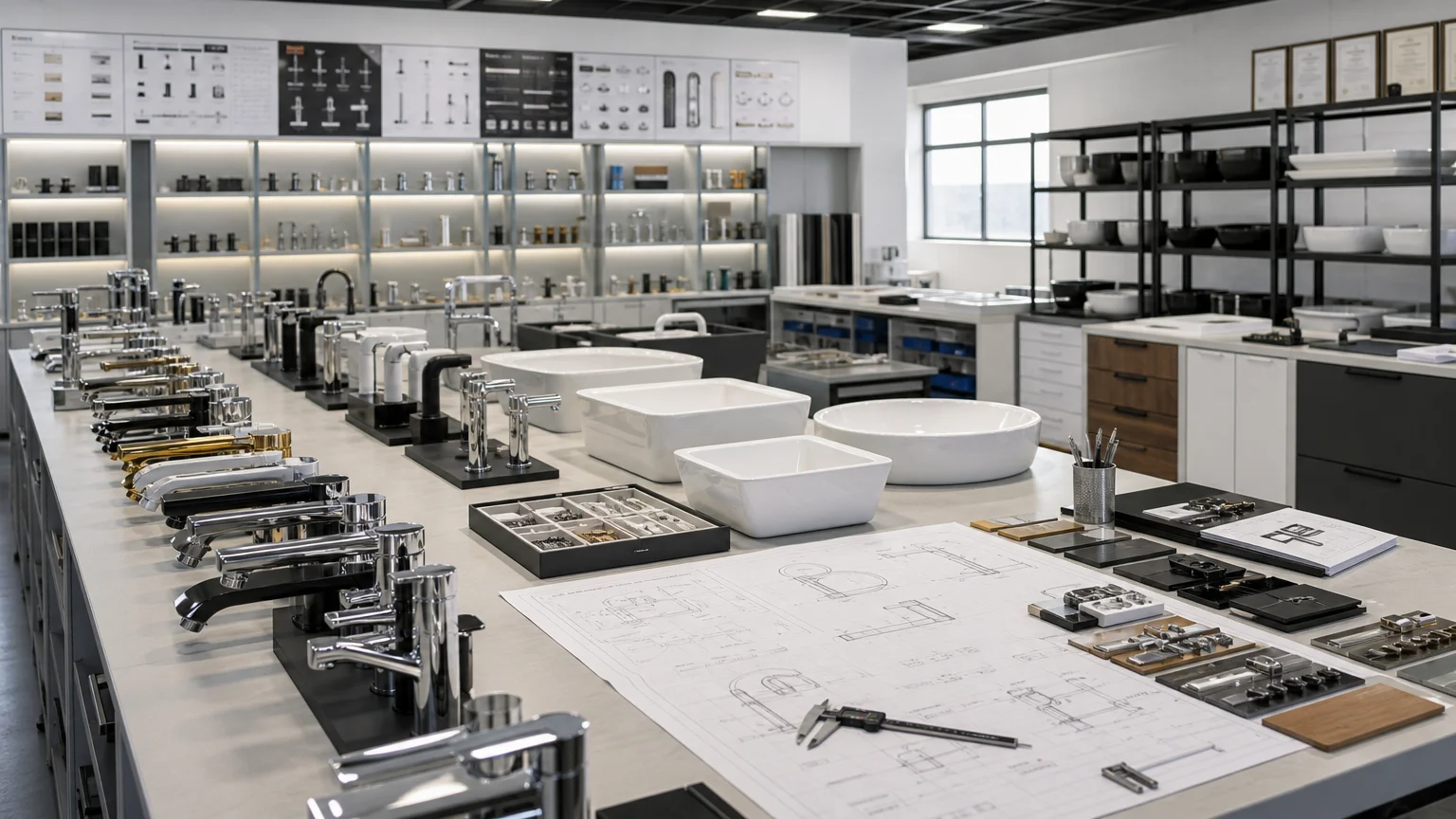
Evidence 01 — In-House R&D & Sample Preparation
MICAWA operates product development and sample preparation functions to support new-product evaluation before bulk production. The development process can move from product concept and reference materials into sample preparation, review and manufacturing validation.
Evidence 02 — Ceramic Mold Development
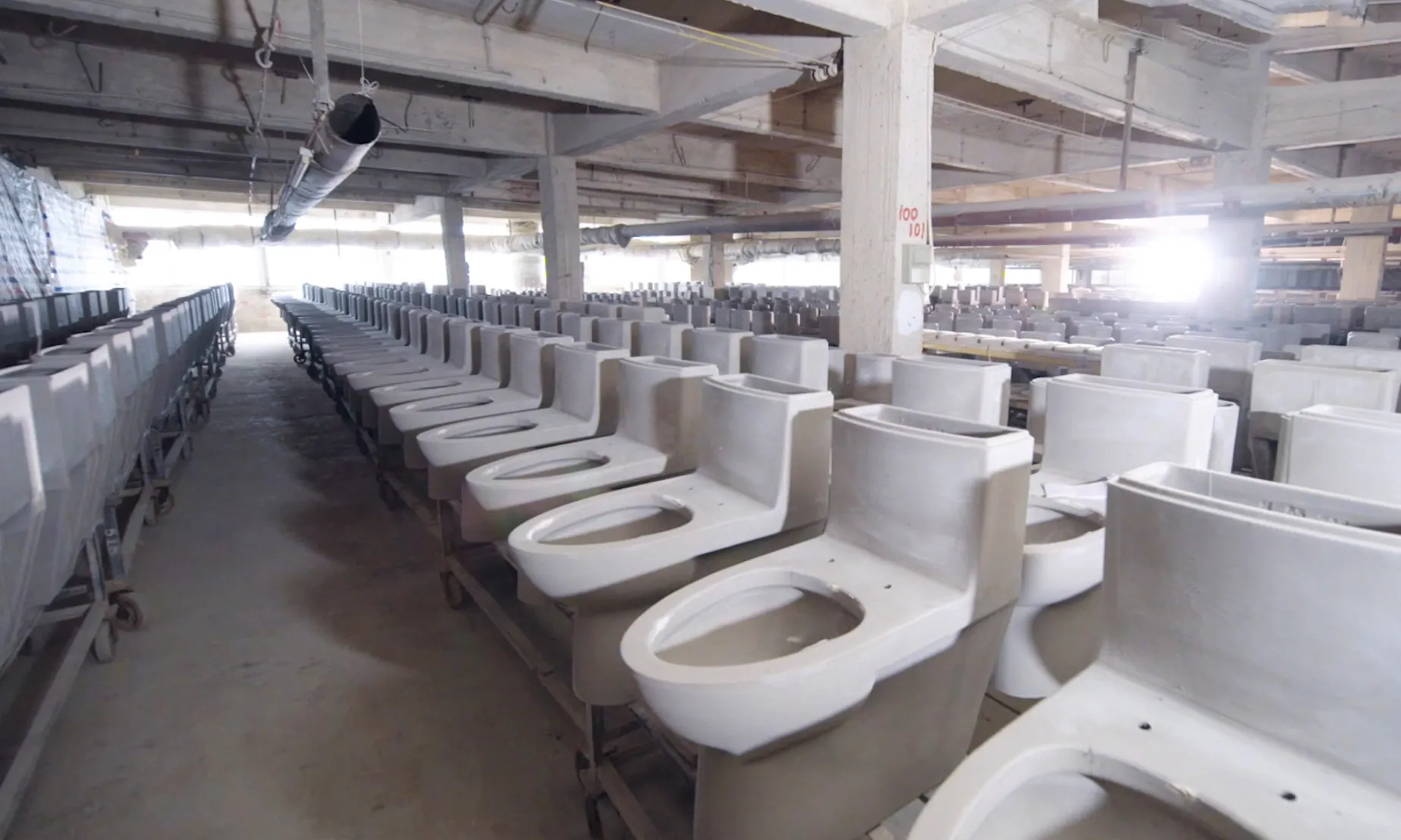
Sanitary ceramic development involves more than modifying an existing drawing. The documented MICAWA ceramic process includes model design, original model preparation, mother mold development, trial production, resin mold preparation and working mold production before the product enters normal forming and firing.
Ceramic product development must account for forming, drying, glazing and firing behavior before stable production can be confirmed. Trial production and mold validation therefore form an important part of sanitary ceramic development.
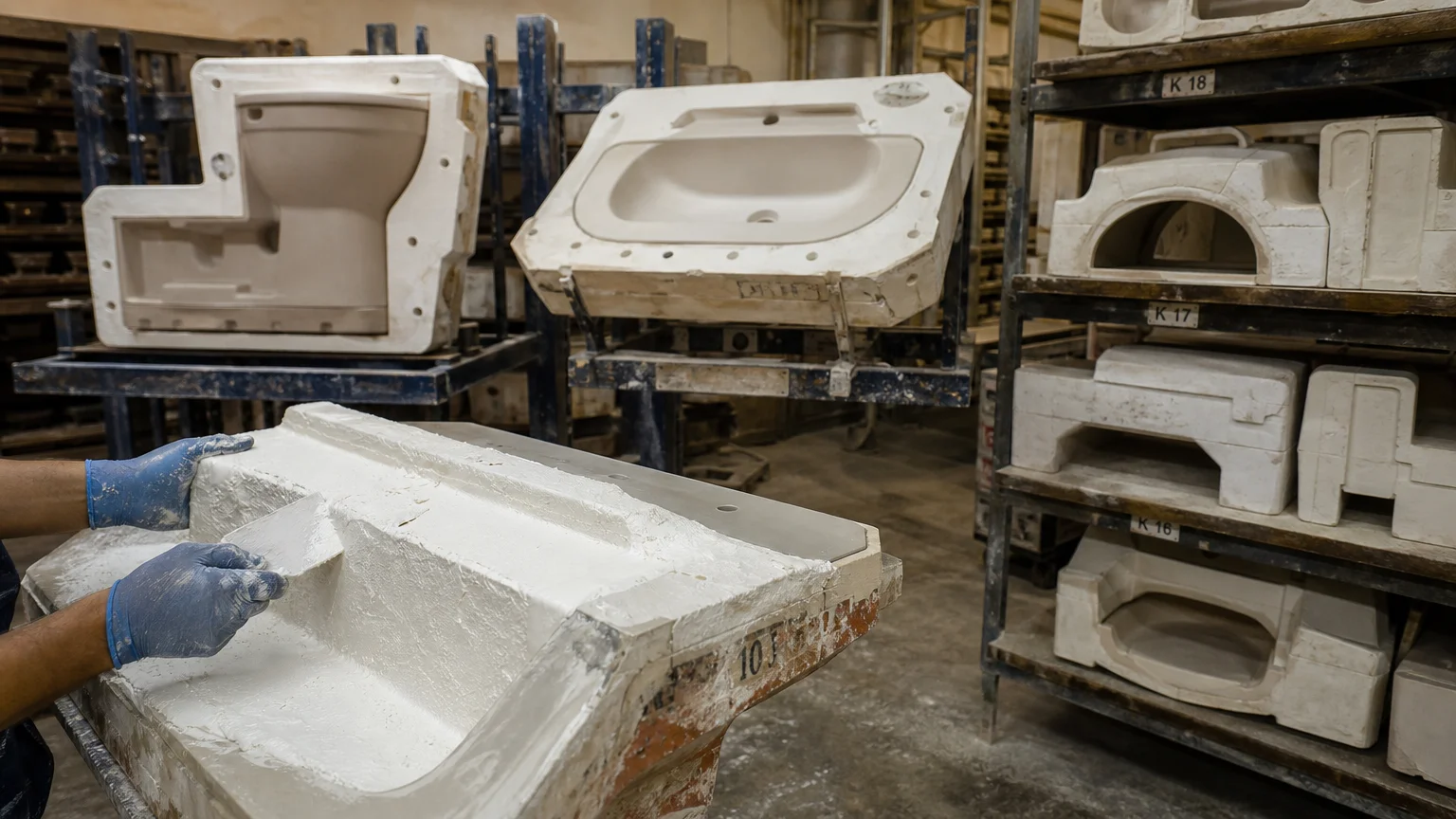
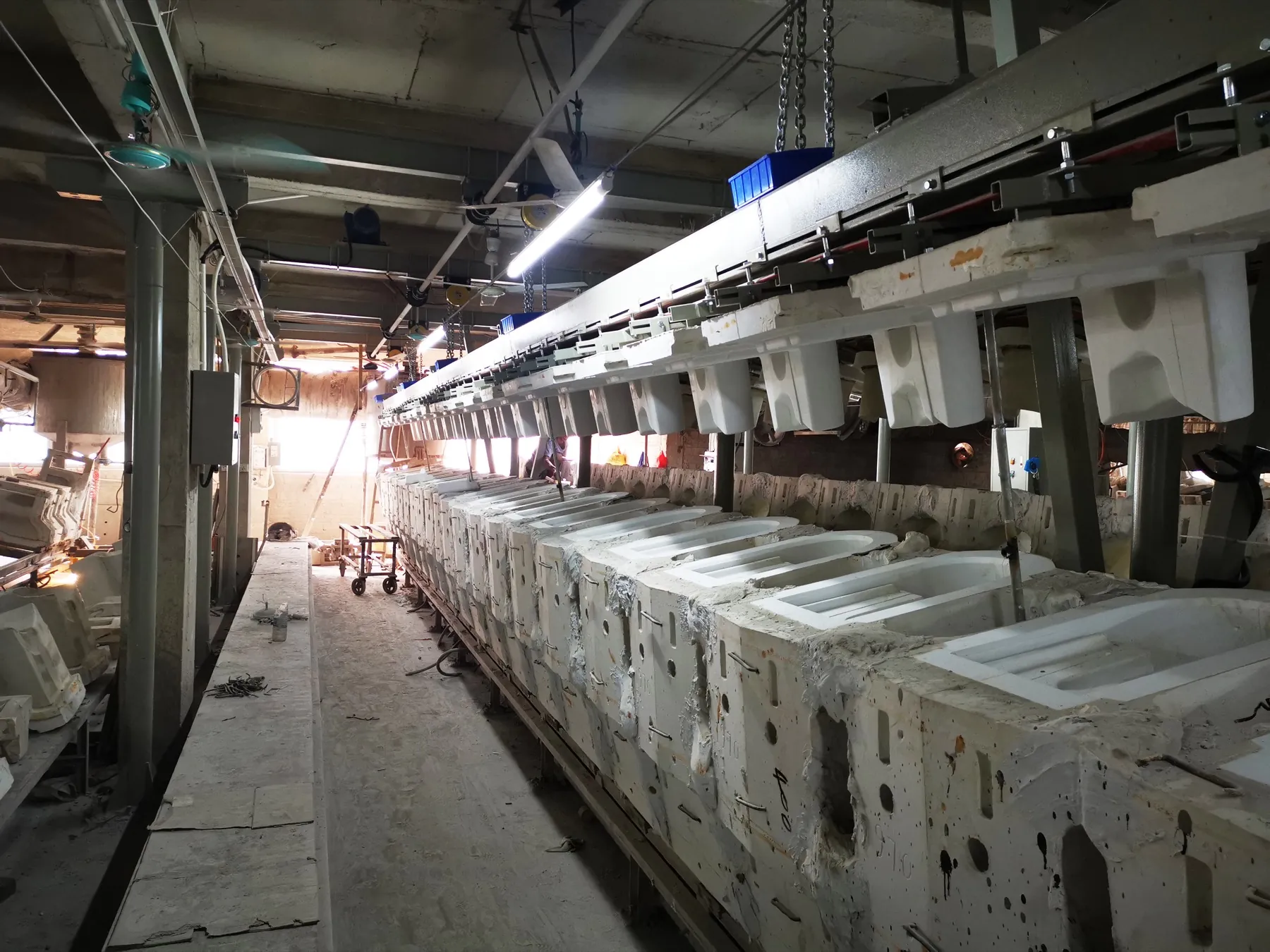
Evidence 03 — Ceramic Trial Production & Validation
MICAWA's internal ceramic development materials document a staged process that includes product trial production, qualification, formal verification and small-batch production before moving into stable manufacturing.
A design that looks correct on a drawing still needs to work through the real ceramic manufacturing process. Trial production helps confirm whether the product can be formed, glazed, fired and inspected consistently before larger production quantities are scheduled.
Evidence 04 — Faucet Material & Manufacturing Validation
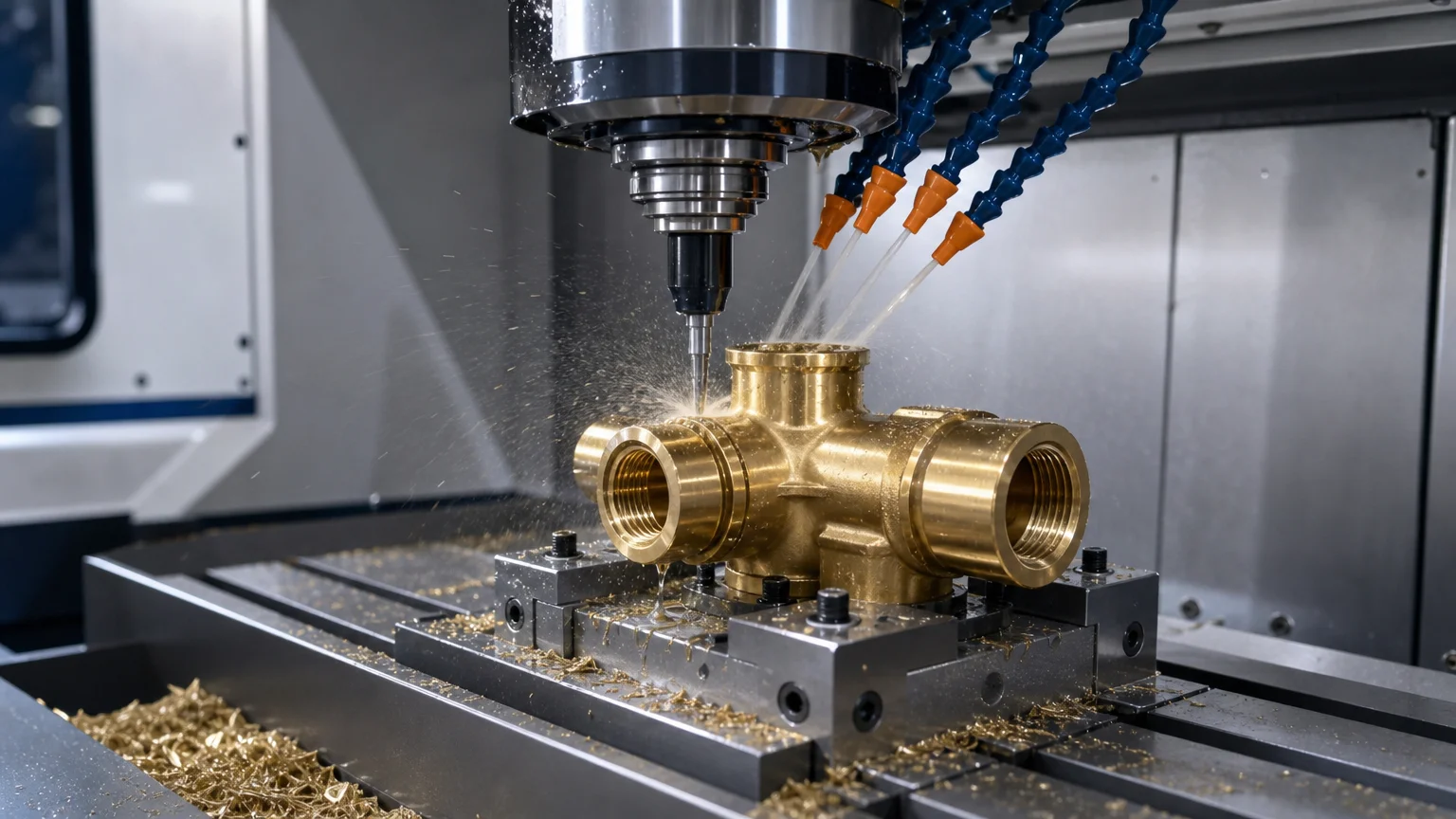
MICAWA's faucet manufacturing process covers material inspection, casting or forging, machining, polishing, electroplating, assembly and final inspection. This allows development samples to be evaluated against the actual production process rather than treated only as appearance prototypes.
For faucet development, material composition, body structure, machining accuracy and surface treatment can all affect the production result. Product development therefore needs to be coordinated with the intended manufacturing route.
Evidence 05 — Faucet Surface Testing
MICAWA's faucet production documentation includes appearance inspection, X-ray coating-thickness measurement and salt-spray testing for plated components.
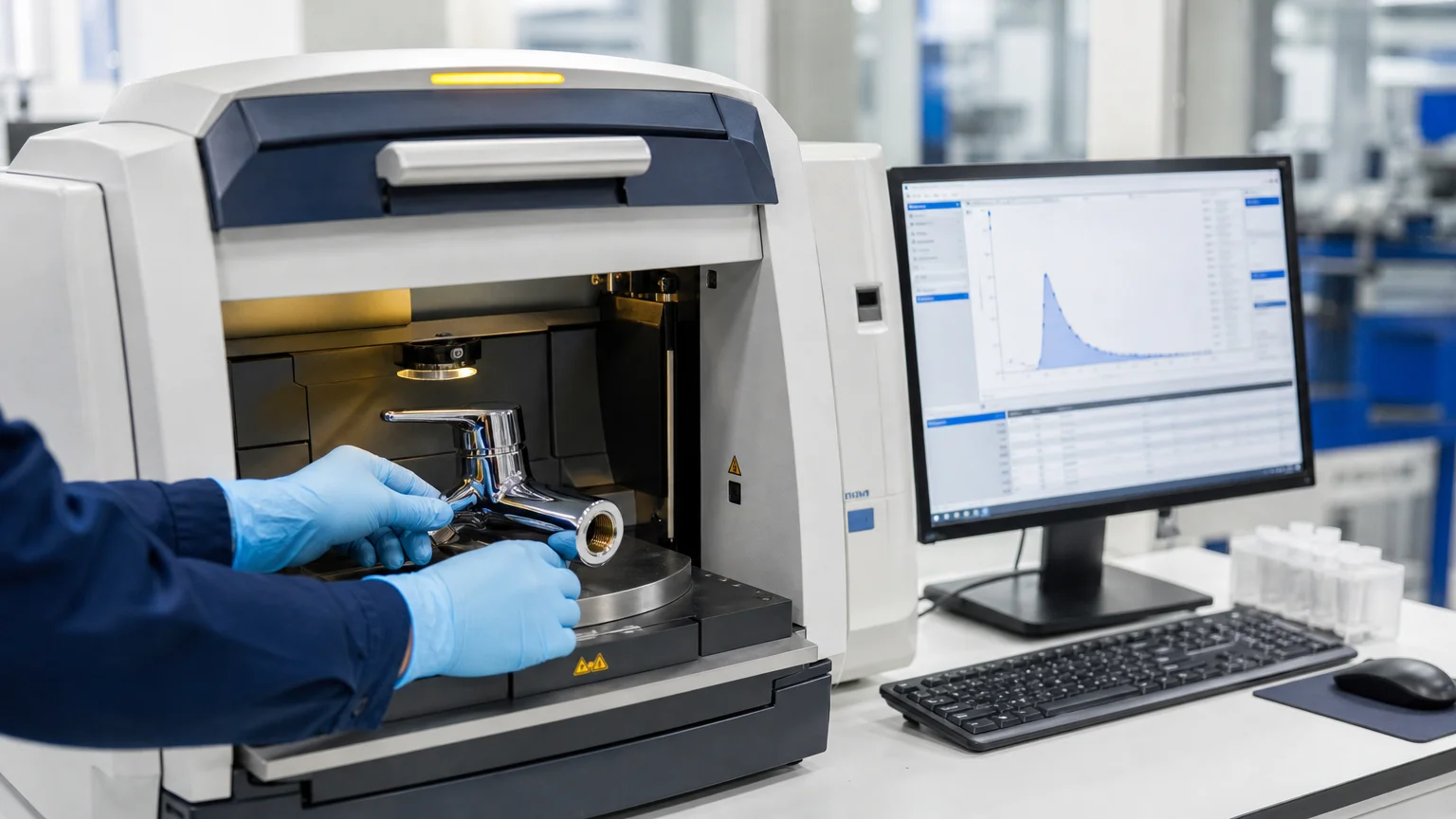
Used to check electroplated coating thickness.
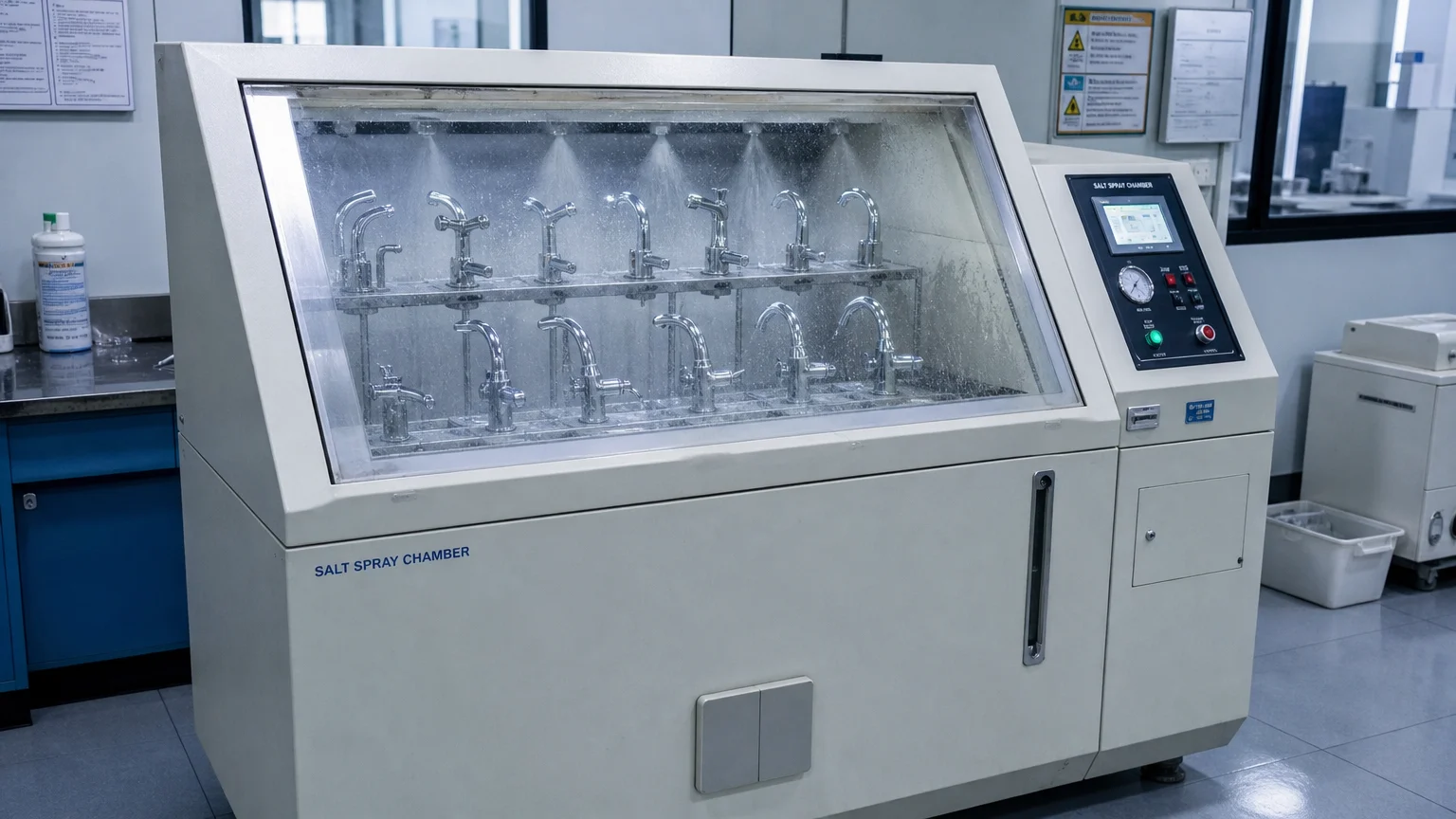
Used as part of evaluating corrosion resistance for plated components.
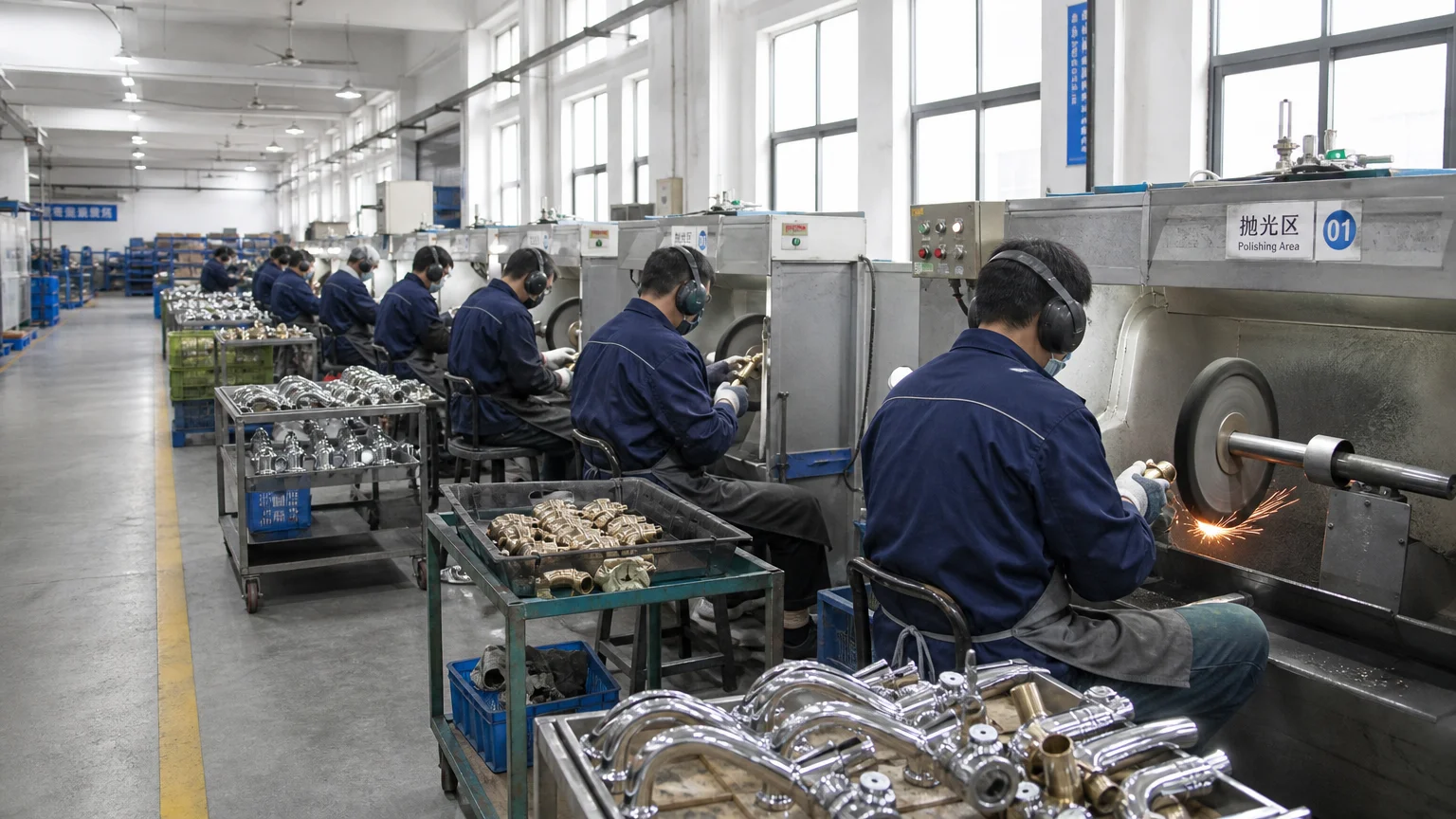
Surface appearance is reviewed during polishing and electroplating quality control.
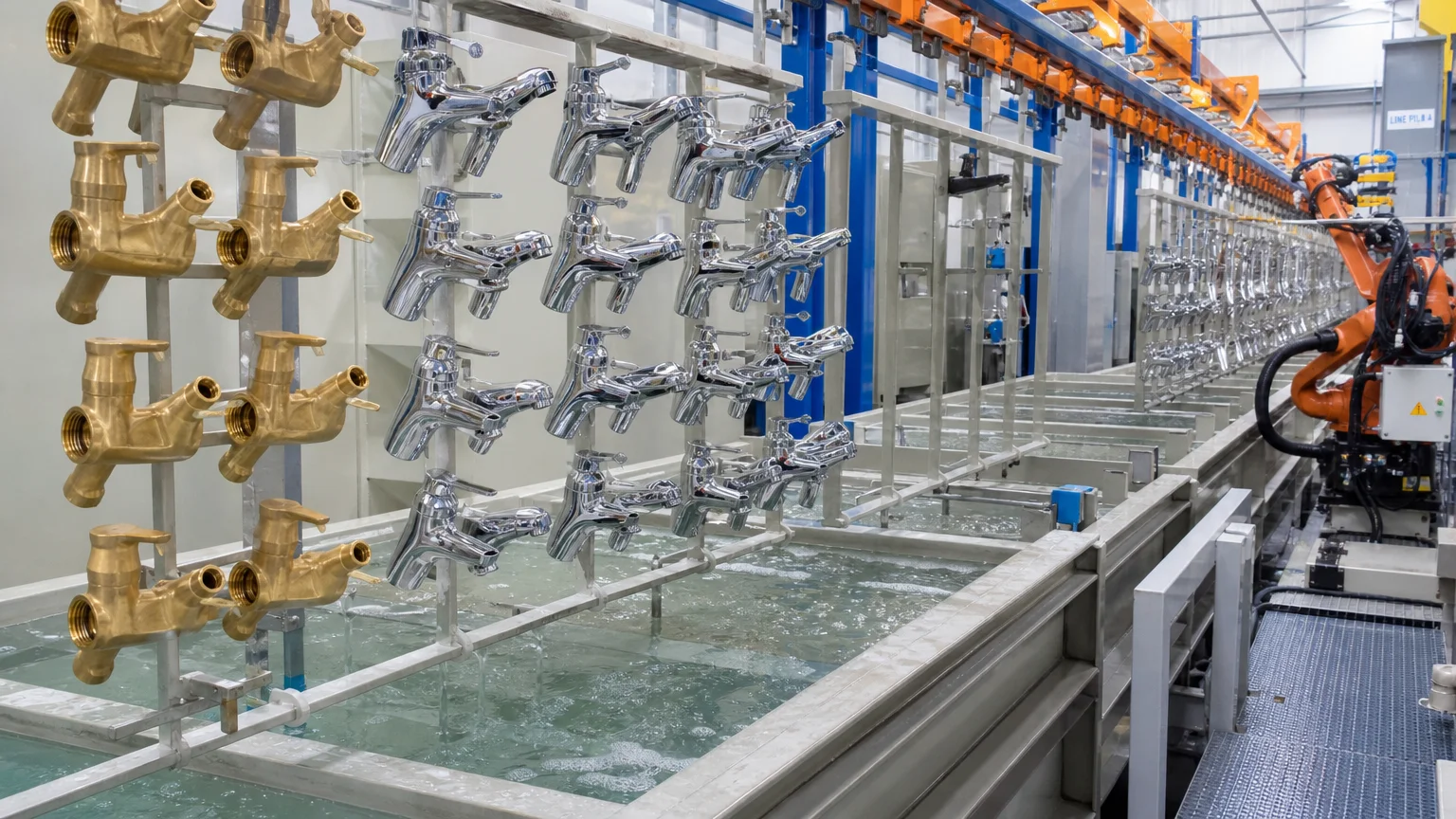
Plated surfaces are produced on the automatic electroplating line.
Evidence 06 — Bathroom Furniture Configuration Review
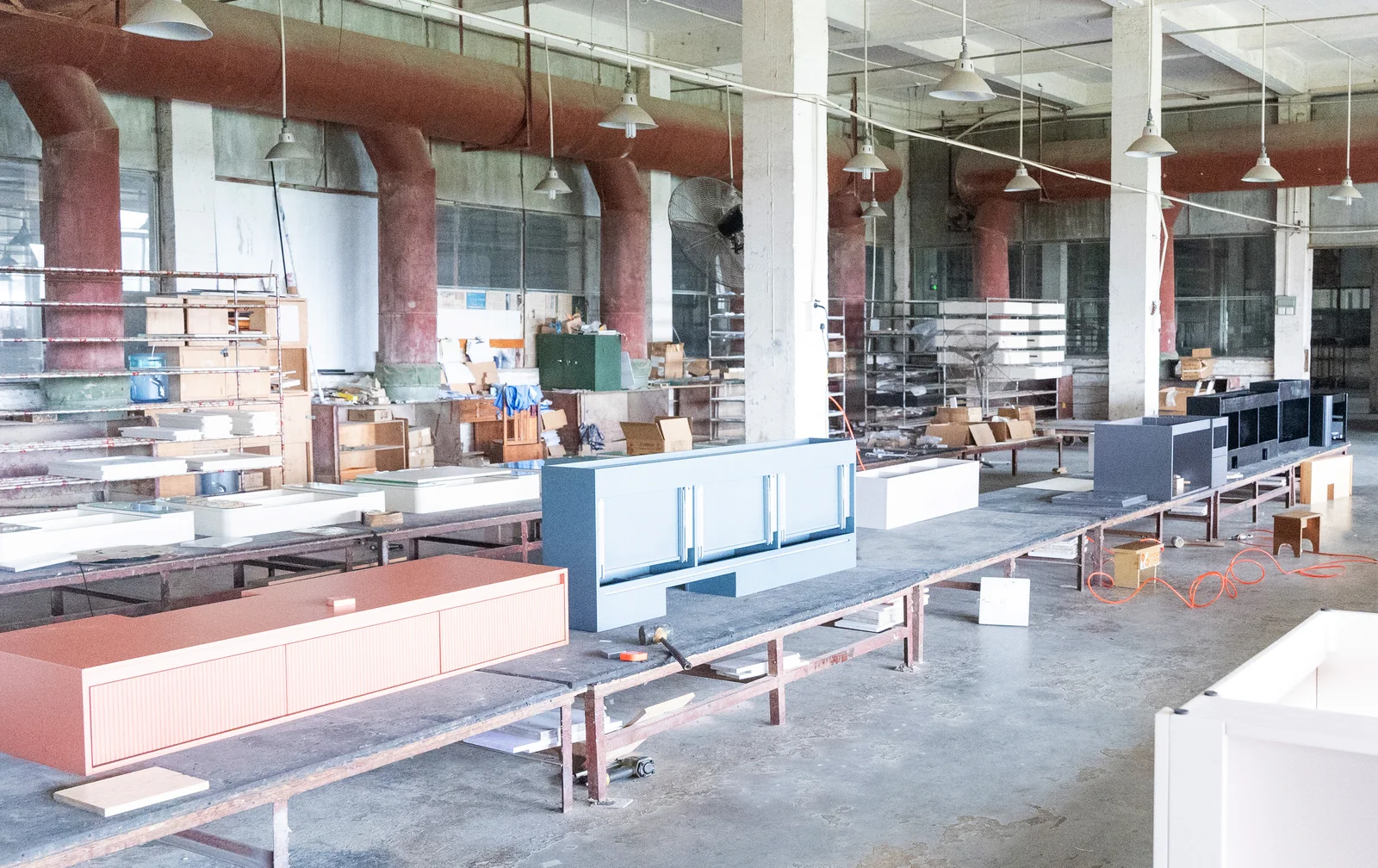
Bathroom furniture development involves coordinating the cabinet structure with basin configuration, finishes and hardware. MICAWA's existing bathroom furniture manufacturing documentation includes soft-close hinges, drawer runners and other furniture hardware used in bathroom cabinet production.
For a new bathroom furniture collection, the cabinet, basin and hardware should be evaluated as one product system rather than as separate components. This helps reduce mismatches during sample assembly and production preparation.
Evidence 07 — Product Testing & Inspection Resources
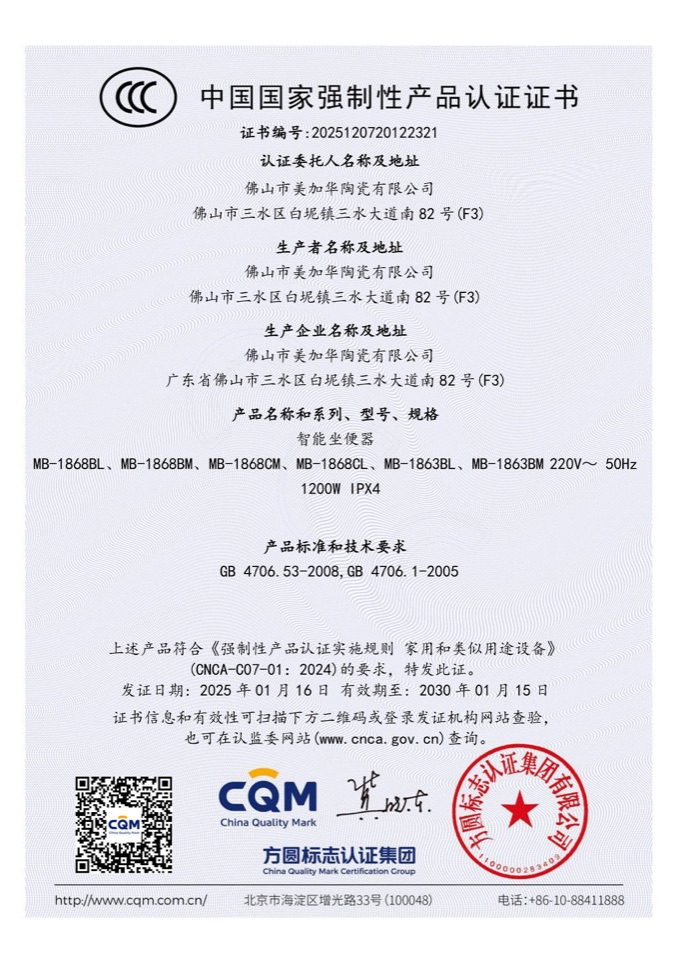
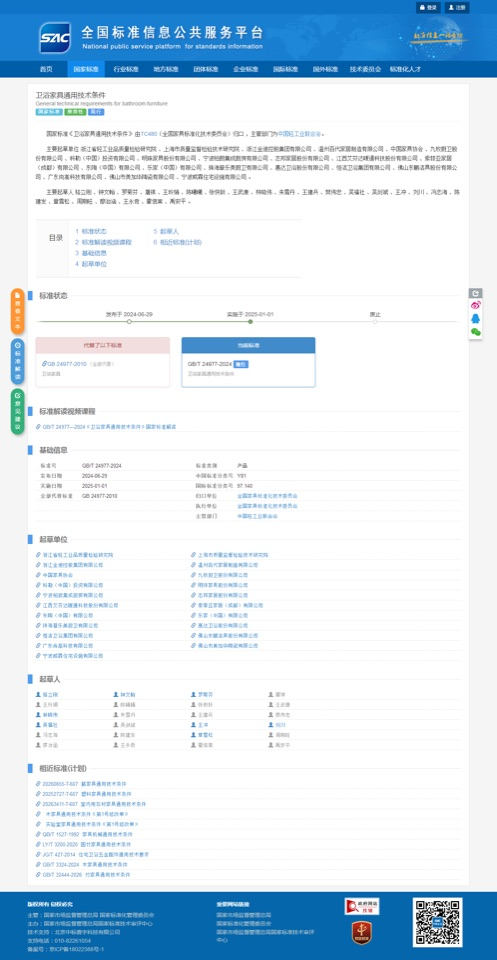
MICAWA supports product development with product testing and inspection resources linked to its manufacturing operations. The specific test method depends on the product category and agreed product requirements.
Testing requirements are confirmed according to product category, product specification and destination-market requirements. Test scope should not be assumed to be identical for every development project.
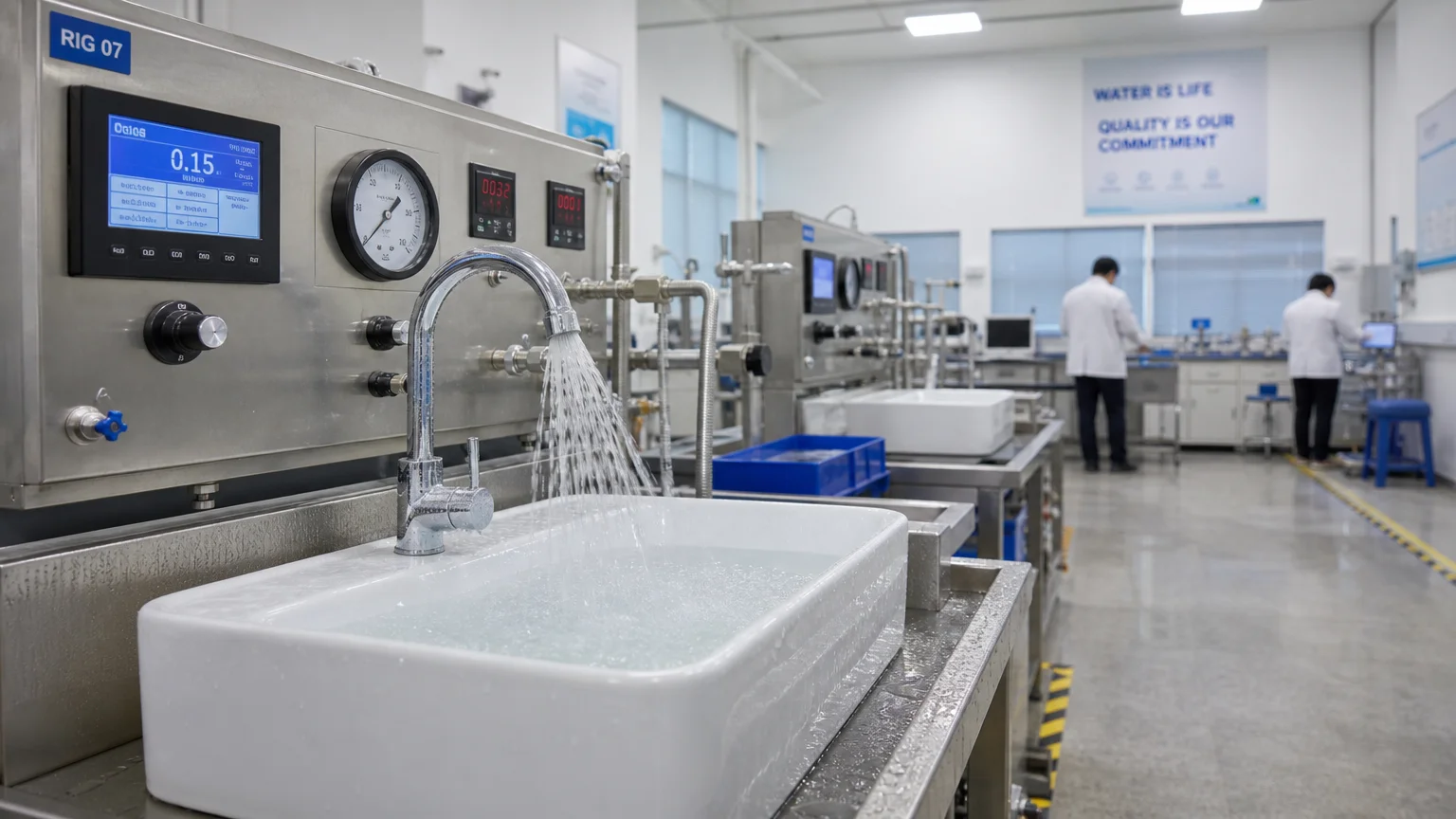
Sample review keeps the agreed product direction visible before tooling and bulk manufacturing begin.
The first sample is used to review the agreed product direction, including appearance, dimensions, structure and key requirements.
Critical dimensions are checked against drawings, reference information or agreed product specifications.
Relevant functional requirements are evaluated according to product category.
Colors, surface finishes, plating and visible product details are reviewed where applicable.
Required changes are recorded before the next sample or production stage.
The agreed product specification becomes the reference for production preparation.
Discuss Sample RequirementsA custom development project should also be evaluated from a manufacturing and commercial perspective before significant development work begins.
New molds or tooling may be required depending on the product category, structure and level of customization. Tooling requirements should be reviewed after the initial product scope is understood.
Order quantity depends on the product category, development level and manufacturing setup. MICAWA's general MOQ is 100 sets, while a custom development project should be evaluated individually.
Packaging requirements should be confirmed before mass production, especially for private-label, retail and export programs.
Possible inputs
Development time depends on product category, number of sample rounds, tooling requirements, testing requirements, required revisions and final production preparation.
Development lead time is confirmed after reviewing the product brief. A single fixed development period is not published for all customized products.

Development Connected to Manufacturing
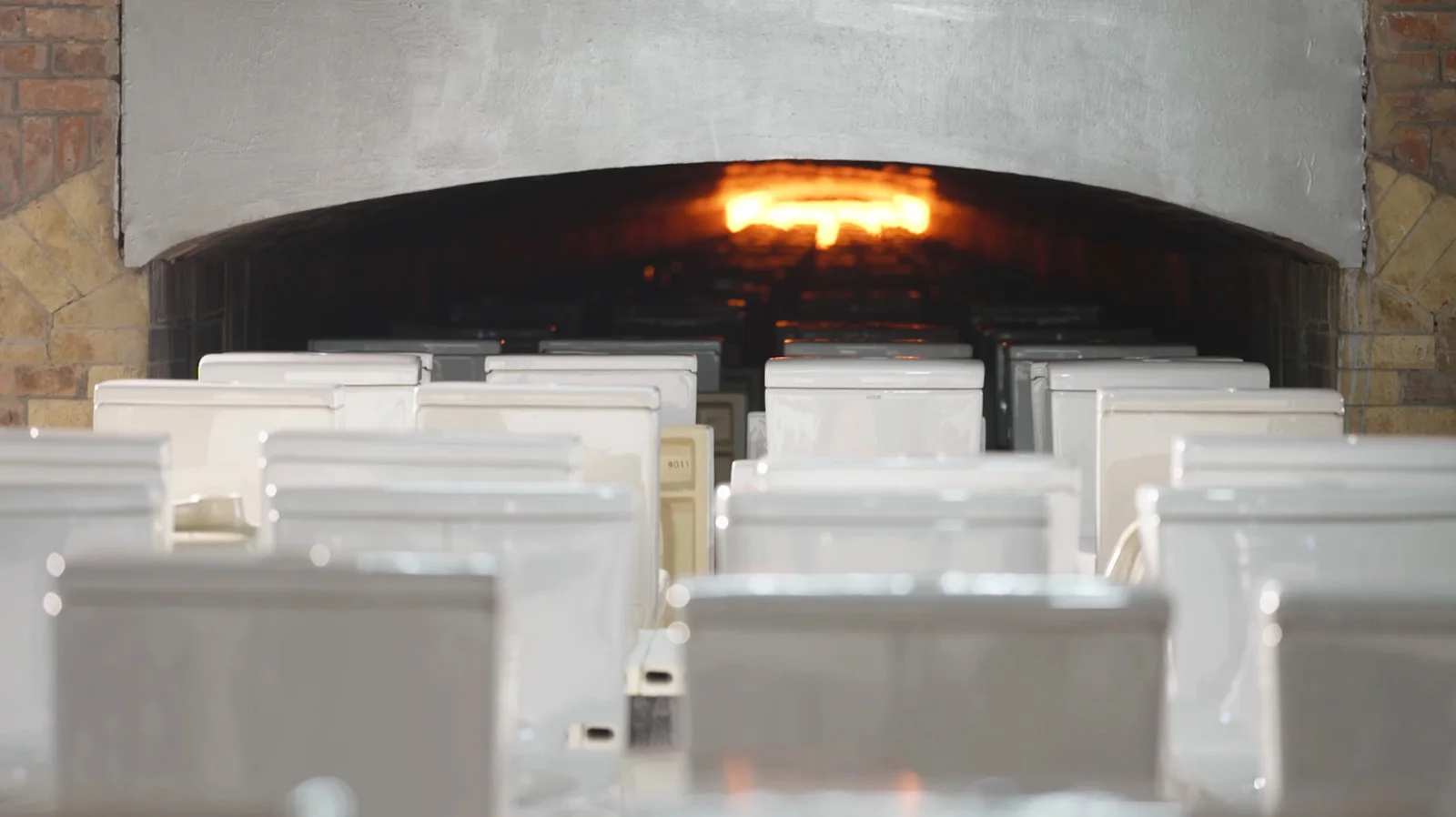
Product development becomes more valuable when the final design can move into stable production. MICAWA connects product development with multi-category bathroom manufacturing within the same supply system.
Key production capabilities include sanitary ceramic manufacturing, bathroom furniture production, faucet manufacturing and assembly, bathtub production and shower-screen production.
Explore Our Manufacturing CapabilityDevelopment is supported by production capabilities rather than separated from the factory that will manufacture the final product.
One manufacturing partner can support development across sanitary ceramics, bathroom furniture, faucets, bathtubs and shower screens.
Samples can be reviewed and validated according to product category before bulk manufacturing.
The development model is designed for brands, importers and distributors building sustainable bathroom product collections rather than one-off sourcing only.
Practical resources for planning custom bathroom products before sampling and production.
Understand the difference between adapting an existing product and developing a more customized bathroom product.
Read guide Guide 02A practical checklist covering target market, dimensions, functions, references, quantities, compliance and packaging requirements.
Read guide Guide 03Key points to review during sample approval before tooling and mass production.
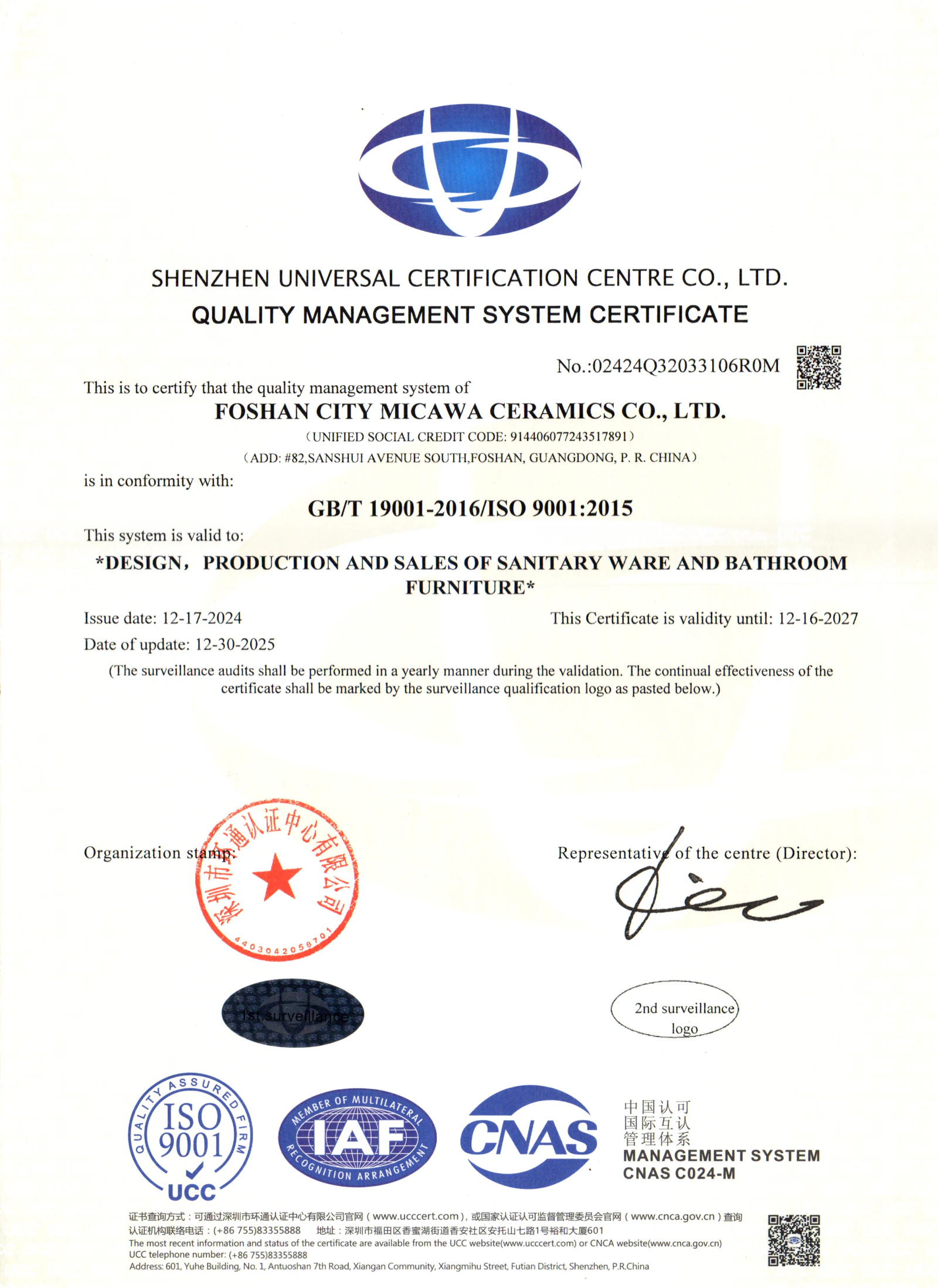
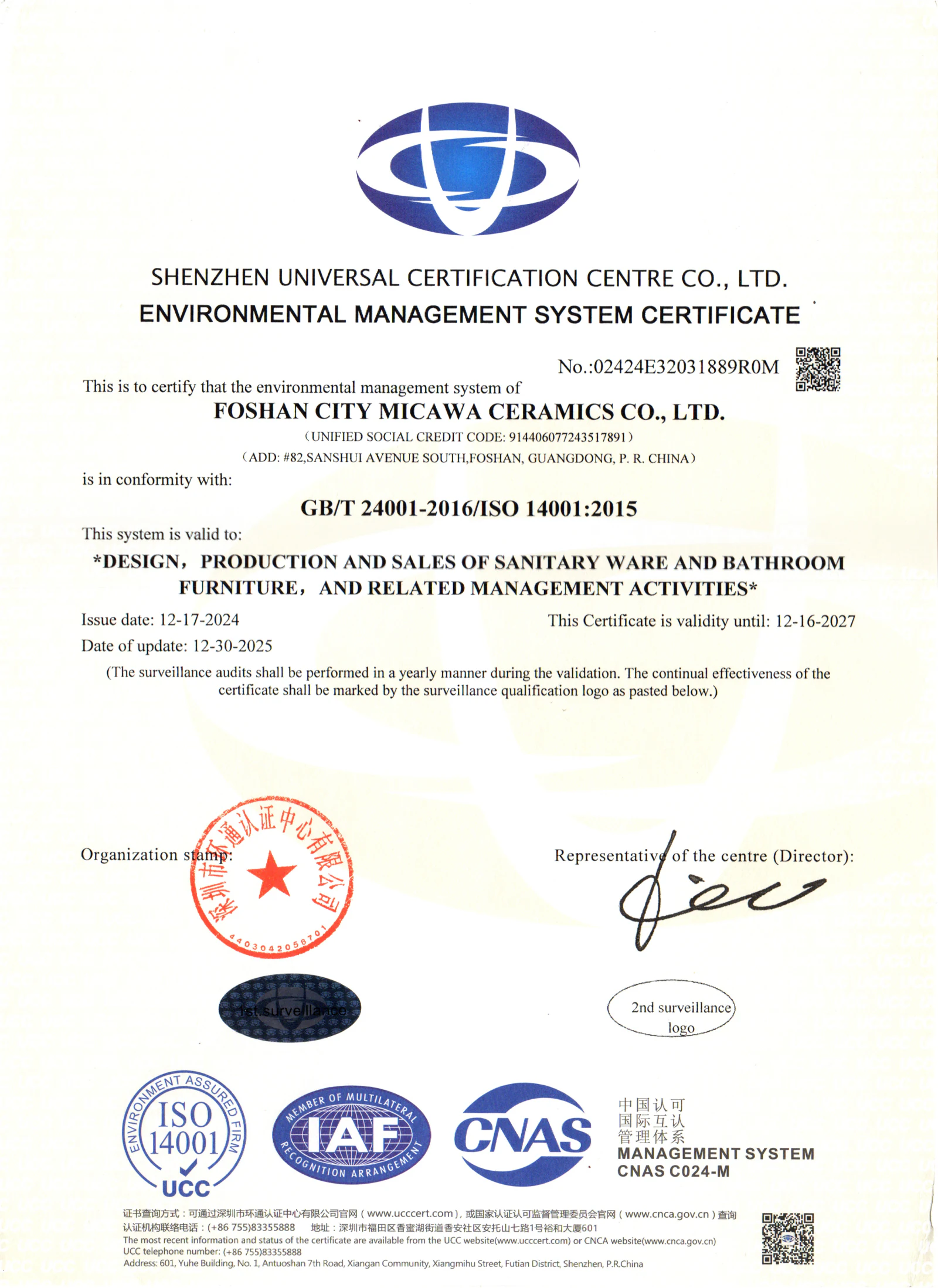
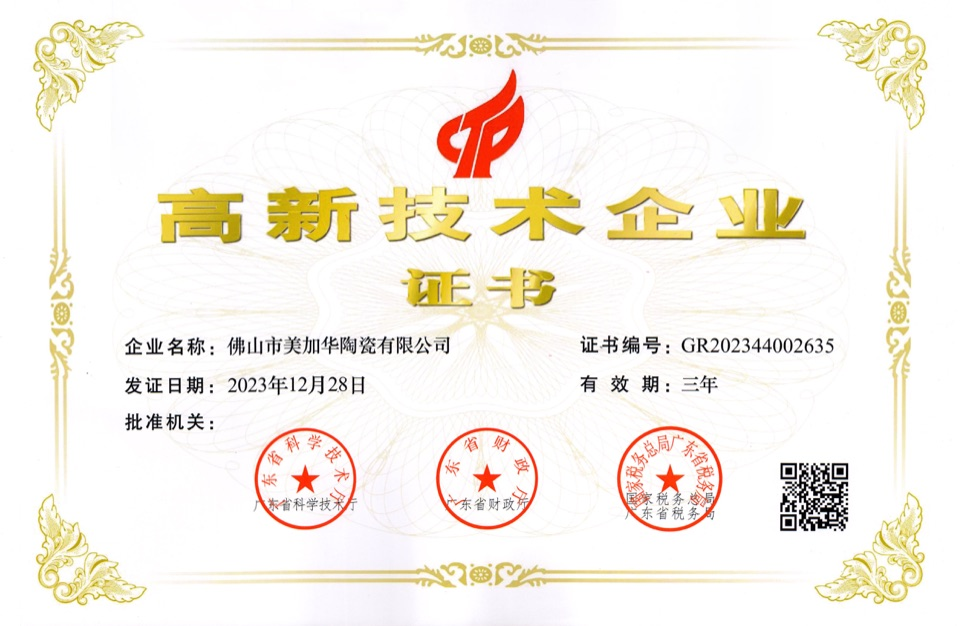
Read guideProduct development should be supported by visible manufacturing and quality-control capability. Instead of relying only on marketing claims, review the resources and production processes behind the product.
Useful starting information includes the product category, target market, reference images or drawings, dimensions, functions, finish requirements, estimated quantity and relevant compliance requirements.
Yes. Development can be discussed based on drawings, physical samples, reference products, photos or defined product requirements.
MICAWA supports development across sanitary ceramics, bathroom furniture, faucets, bathtubs and shower screens.
No. Tooling requirements depend on the product category and level of customization. Some developments may use existing product platforms, while others require new molds or tooling.
Development time depends on product category, tooling, sample revisions, testing and approval requirements. A project timeline is confirmed after the development brief is reviewed.
Start a development project
Share your product concept, target market, drawings, reference samples or technical requirements. Our team will review the development scope and identify the next steps required for sampling and production preparation.
Drawings, photos, reference samples and preliminary specifications are welcome.
We use only necessary browser storage to remember privacy preferences and support core site functions.